
 English
 Español
 Português
 Русский
 العربية
 Français
 Deutsch
 中文
 日本語
 한국어
What Mould Fitters Check Before Assembly
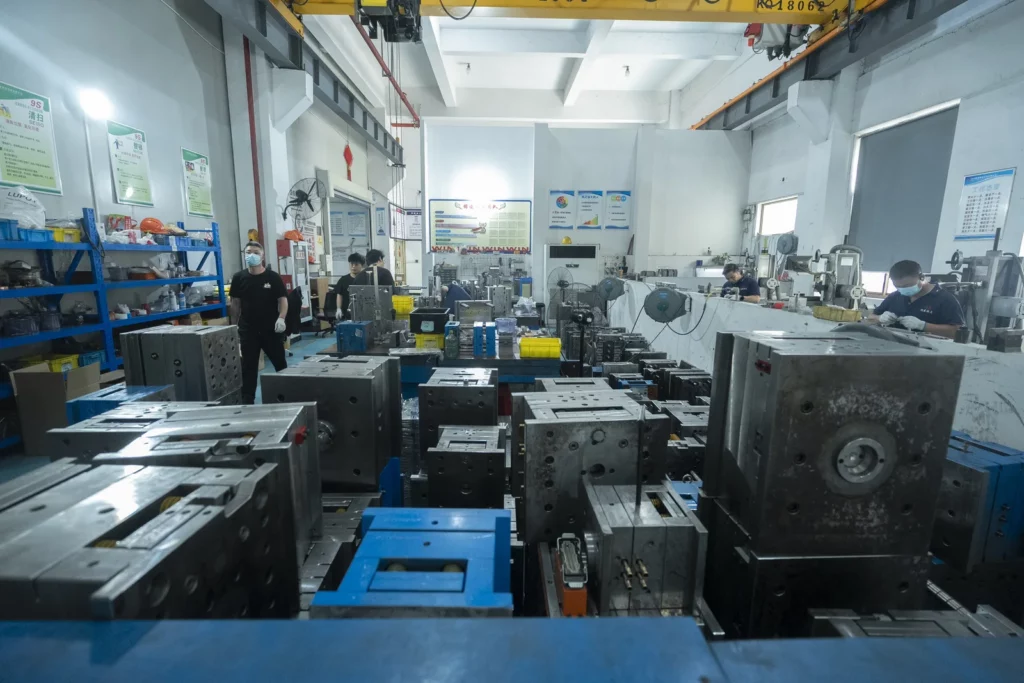
Machined mould parts need to work together as a complete tool. Before and during assembly, fitting work helps identify issues in alignment, movement and mating surfaces that individual component measurements may not reveal.
Check components against the drawing
The fitter reviews the relevant drawing and verifies that inserts, plates, guide elements and other parts match the intended assembly. Inspection focuses on critical locating dimensions, seating faces and visible damage. Any concern is referred back for measurement or correction.
Check fit and movement
Depending on the mould design, guide components, slides, lifters and ejector elements are checked for smooth movement and adequate clearance. Mating surfaces are fitted carefully so that the mould can close and open as intended. Lubrication and cleaning are applied where appropriate to the tool.
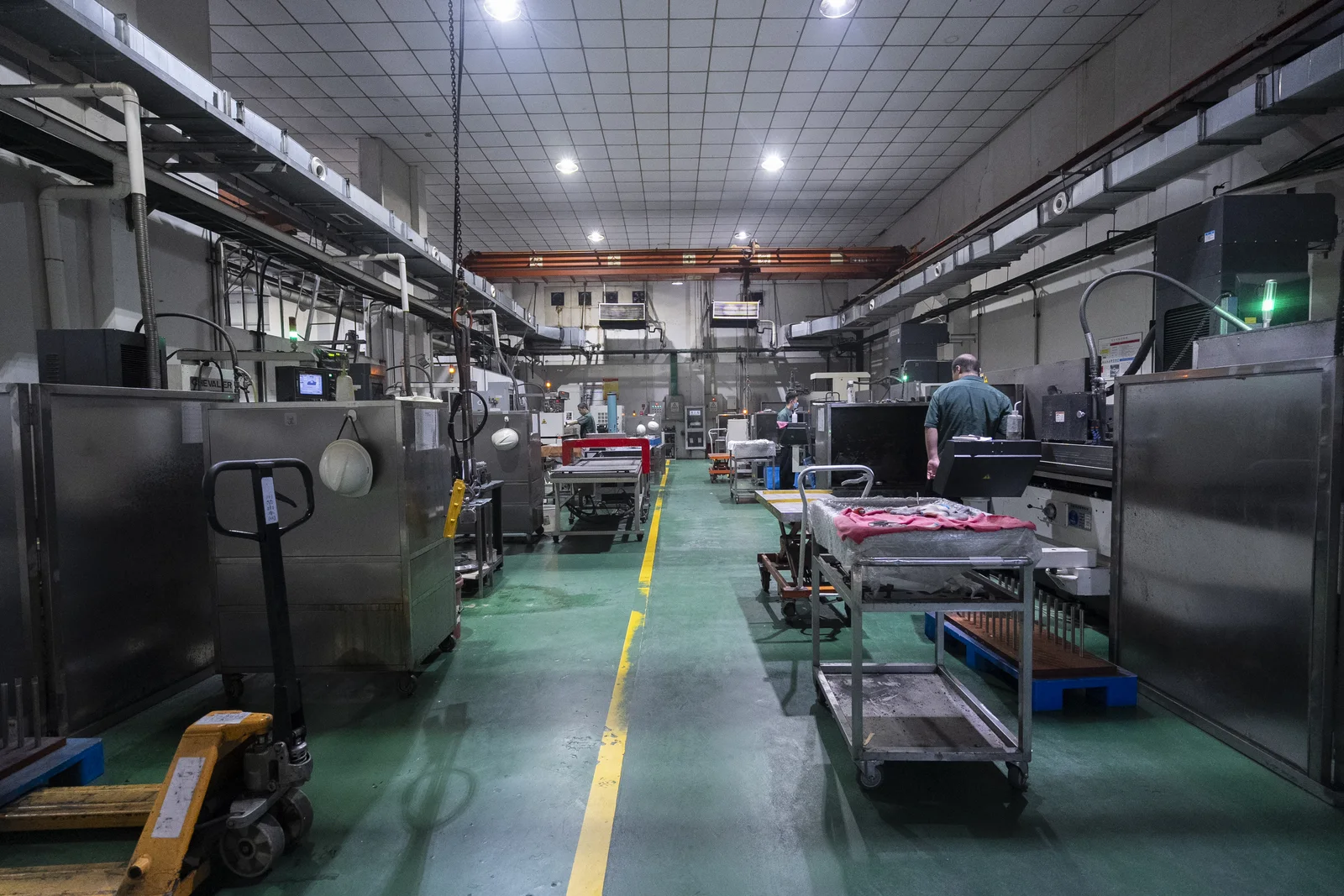
Review shut-off and part-forming surfaces
Shut-off areas and parting surfaces influence flash and the appearance of the finished part. The team checks contact and alignment as appropriate to the design. Surface finishing is handled according to the specified part appearance and mould function.
Prepare for trial
Before a mould trial, the assembled tool and its connections are reviewed according to the project requirements. Trial results then guide any necessary adjustments; final acceptance criteria and sample approval are agreed with the customer.
Need support with a new mould or a component for a mould assembly? Contact yw07@jz-mould.com with your drawings and requirements.
Let’s Build Precision Moulds Together
Upload your CAD files or share your product specifications. Our engineering team will respond with a detailed quotation within 24 hours.