
 English
 Español
 Português
 Русский
 العربية
 Français
 Deutsch
 中文
 日本語
 한국어
Prototype and sample work
Design maturity, sample method, material, quantity, finishing, fixtures and the agreed evaluation or reporting work affect this stage. Separate early prototype work from samples produced during mould trials.
From an early sample to a production mould, start with a clear brief. Understand what to send, what shapes the cost and how JingZhan reviews the next step with you.
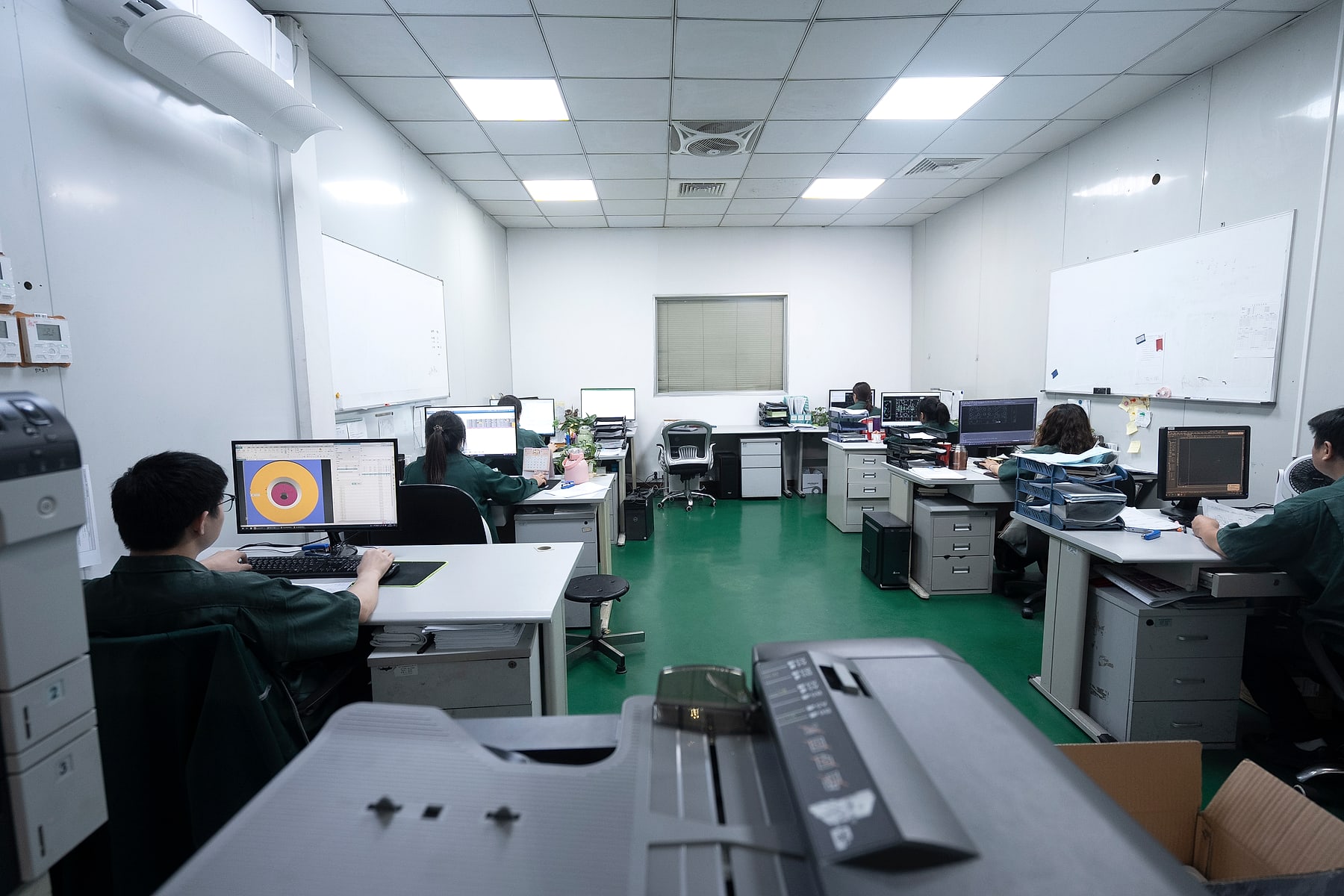
You do not need to solve every manufacturing question before contacting us. Send what you have and clearly mark any open decisions. The aim is to establish a shared technical and commercial basis before work begins.
| What to provide | What it helps us review |
|---|---|
| 2D drawing and 3D model | Part number, revision, units, geometry and critical dimensions. Send STEP or another agreed model format, plus a dimensioned PDF drawing where available. |
| Material and finish | Specified resin family and grade, colour, texture, polished areas, inserts and any required supporting documents. |
| Function and assembly | Intended use, service conditions, mating components and any fit, sealing or appearance restrictions. |
| Quantity and demand | Sample quantity, first production order, expected annual demand and likely repeat-order pattern. |
| Quality and delivery | Critical checks, sample-approval requirements, report scope, packaging, destination and requested milestones. |
Only have a sample or a concept? Start with photographs, overall dimensions and a description of the job the part must do. Additional design definition may be needed before a firm quotation. Discuss confidentiality arrangements before sending sensitive project files.
Sampling is most useful when we agree what it needs to prove. You may need to explore shape and assembly, evaluate a material, or check parts produced from the intended mould. These are different stages, and the appropriate route is selected during project review.
Record any difference between a prototype and the intended production component, including material, manufacturing method and surface finish. A prototype should not be treated as proof of every production or service requirement.
Prototype method, sourcing route, trial rounds and test responsibilities are confirmed in the quotation. No particular prototype process is assumed to be included.
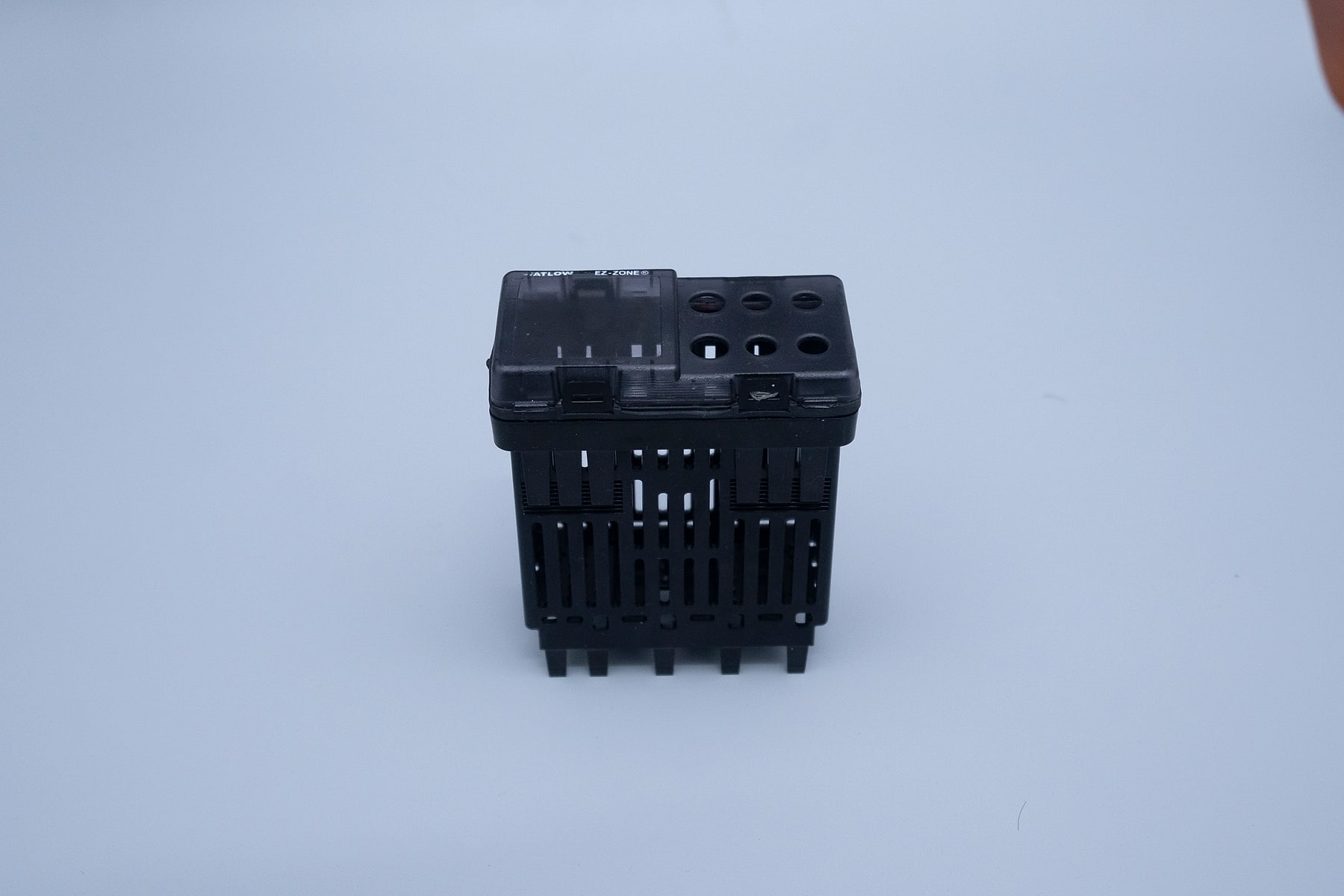
A mould price and a moulded-part price answer different questions. Comparing offers is easier when each cost is connected to a defined scope, quantity and acceptance requirement.
Design maturity, sample method, material, quantity, finishing, fixtures and the agreed evaluation or reporting work affect this stage. Separate early prototype work from samples produced during mould trials.
Part size and geometry, cavities, tool material, slides or other mechanisms, runner design, surface finish, machining and inspection scope influence the tool proposal. The intended demand and expected use of the mould also belong in the discussion.
Specified resin, part and runner material usage, cycle and handling requirements, batch size, inserts or assembly, inspection, finishing and protective packaging influence the piece-price basis.
Check which trials and sample quantities are included, how requested changes are handled, which reports and packaging are covered, and whether transport, taxes or other commercial items are included or excluded. Payment milestones, mould ownership, storage and release arrangements should be confirmed in writing.
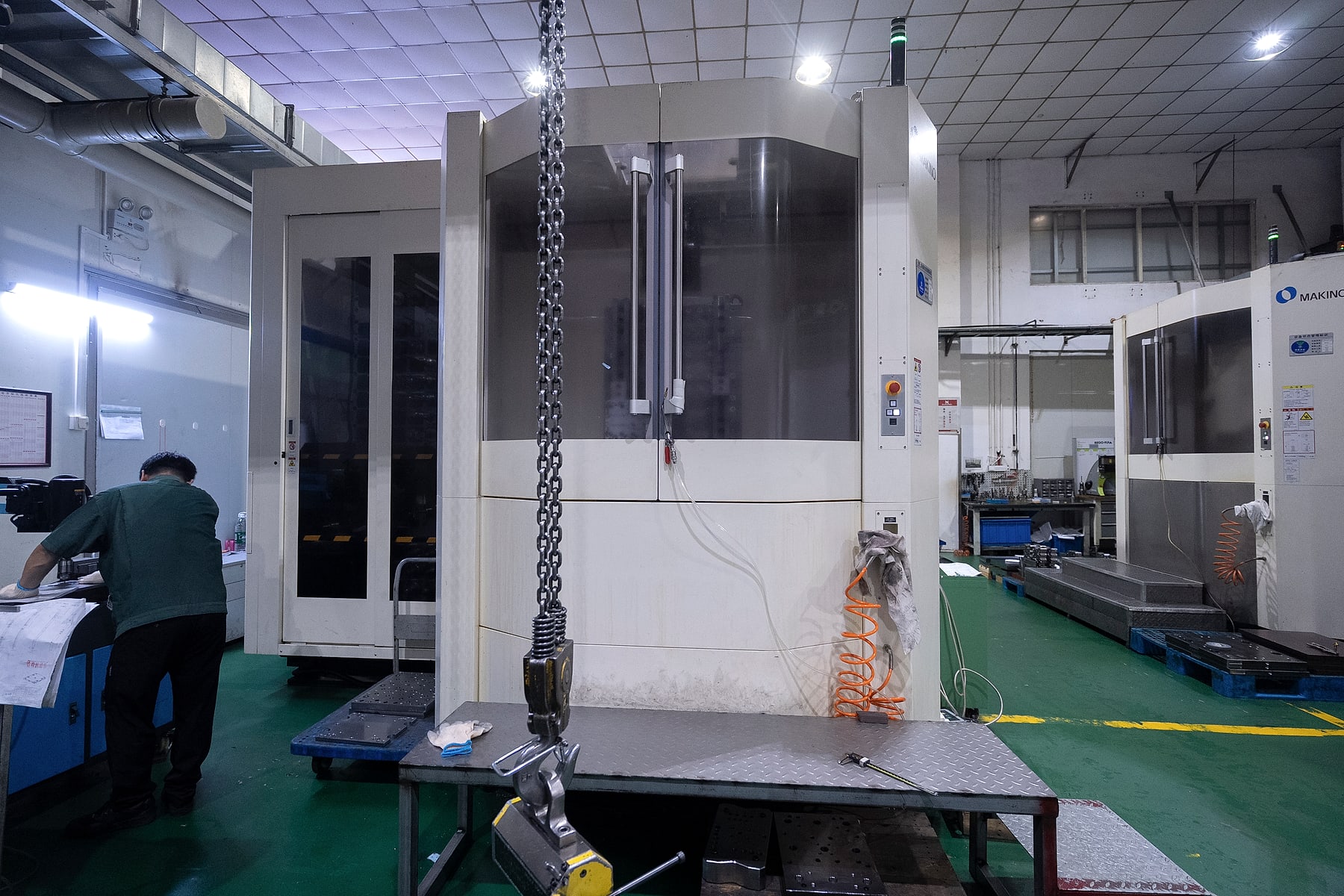
The design-for-manufacture review connects your component requirements to the proposed mould. It is the stage to discuss release direction, parting lines, gates, ejection, difficult features and any restricted cosmetic or functional areas.
DFM comments are engineering proposals for review. Changes to your component design, material or acceptance requirements need approval; they are not made silently to match the quotation.
Lead time is planned around design approval, material and tooling readiness, trial feedback and capacity. MOQ and batch economics are reviewed for the actual part; this page does not promise a fixed price, delivery time or minimum quantity.
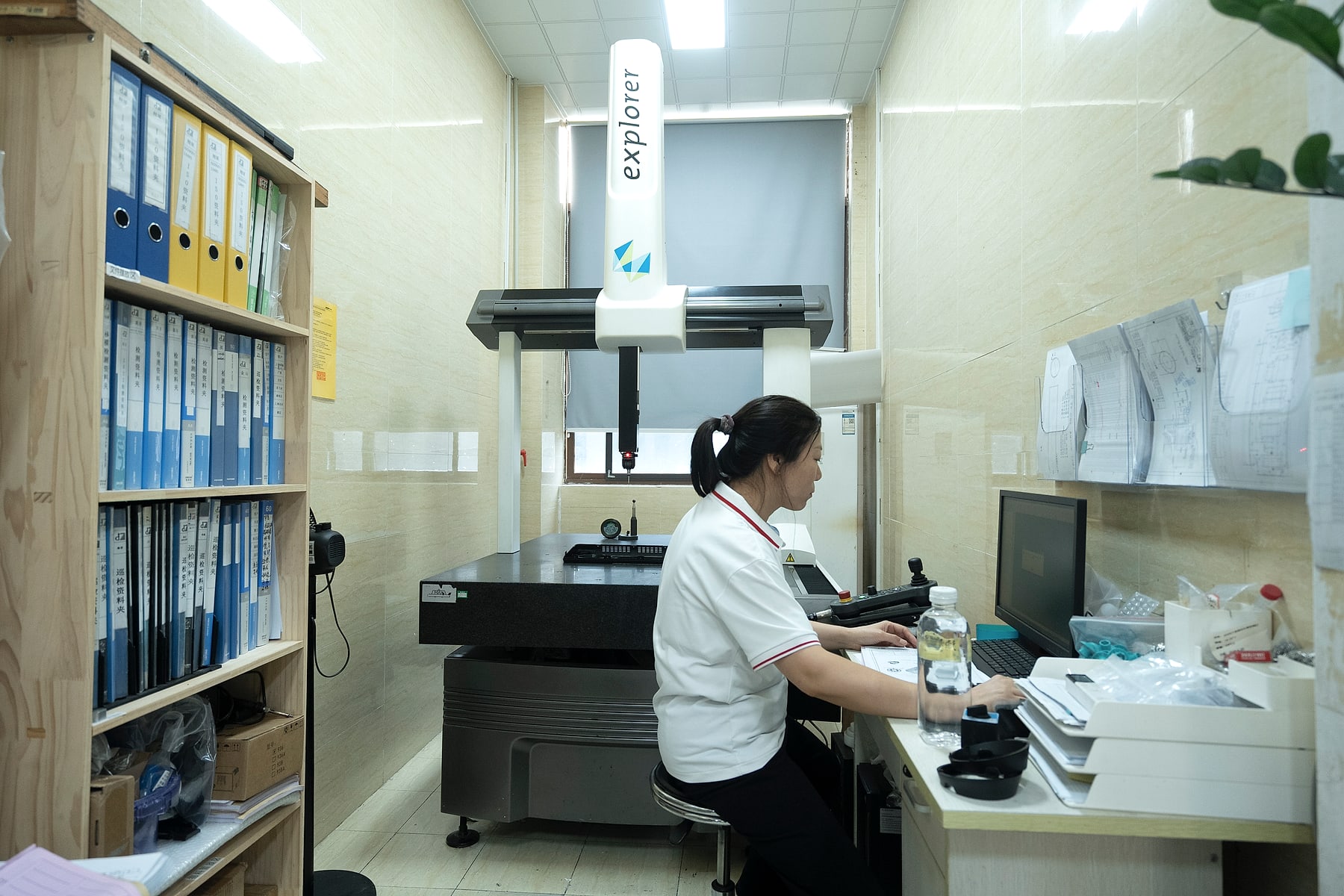
Send clear photographs, approximate dimensions, the intended function and any known material or assembly requirements. JingZhan will review what additional design information is needed before a firm manufacturing scope can be confirmed.
No. They are different scopes and should be identified separately. The quotation should make clear which sample work, tooling, trial, inspection and production quantities are included.
A photograph helps start the discussion but normally does not define internal geometry, tolerances, material or acceptance requirements. Any early estimate remains subject to the stated assumptions and further technical review.
Timing depends on the design status, material availability, tool structure, finish, inspection scope and approval rounds. JingZhan reviews the required milestones and confirms a project-specific schedule rather than a universal lead time.
Sample and production quantities are reviewed separately. Tool setup, resin purchasing, the part design and packaging needs influence a practical batch. Ask for the quantities relevant to your programme rather than assuming one MOQ fits every component.
Start with your part, intended use, sample quantity and expected production demand. Tell us which material or design decisions are still open. For project files, email ljf@jz-mould.com and include the part number and revision.