
 English
 Español
 Português
 Русский
 العربية
 Français
 Deutsch
 中文
 日本語
 한국어
How Deep Grooves and Fine Features Are Machined in Injection Moulds
Deep grooves, narrow ribs and fine details in a plastic part must be accurately formed in the mould steel. Their geometry determines which machining method is practical and how the mould can later be assembled, maintained and inspected.
Start with the feature and its function
The review begins with the width, depth and location of the feature, the steel involved and the required finish. Engineers also consider tool access, draft, wear and whether the detail would be easier to manufacture or replace as a separate insert.
Choosing machining methods
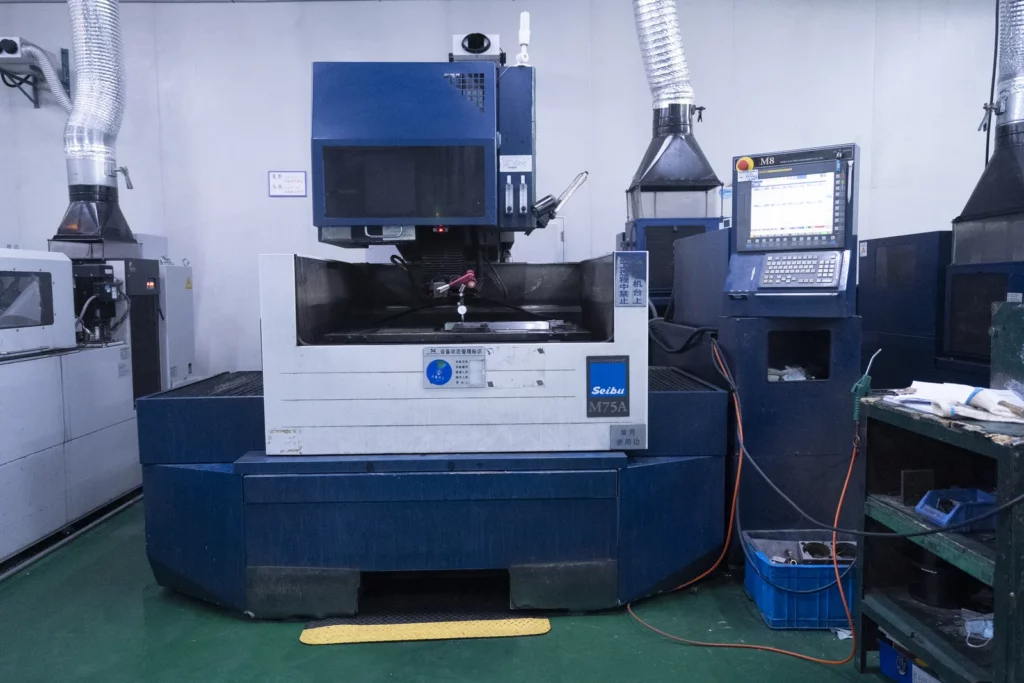
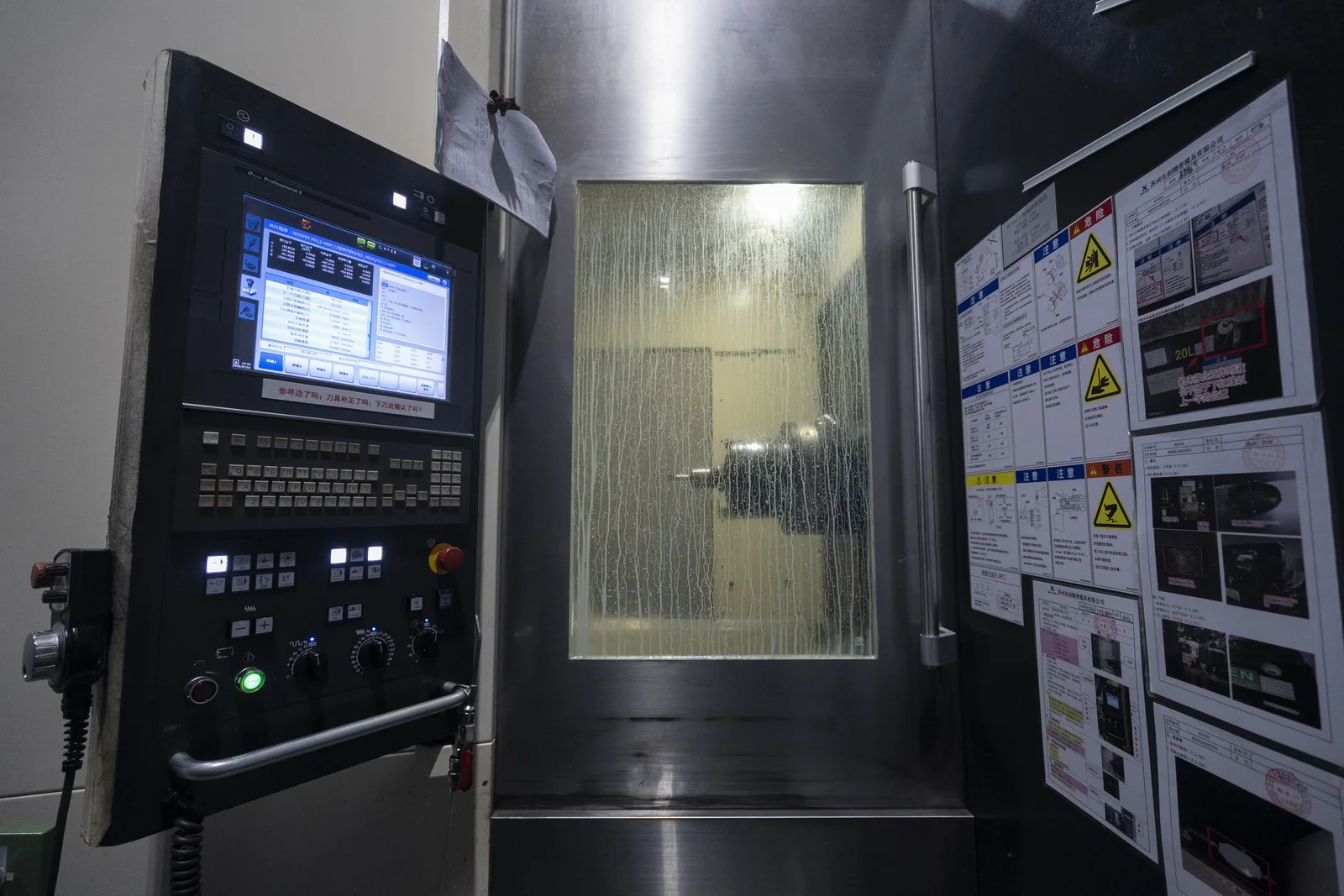
CNC milling can remove material and form accessible surfaces efficiently. Where a cutter cannot reach a narrow or deep area, electrical discharge machining may be considered. Wire EDM can be useful for suitable through profiles or inserts. These methods are selected according to the design; not every mould requires all of them.
Keeping the process connected
Machining allowances, electrode or wire access and reference surfaces are planned so later operations have reliable datums. Depending on the specification, finishing, measurement and fitting follow machining. Critical details are checked against the drawing and mating components rather than judged by appearance alone.
From feature to mould trial
After the inserts are fitted, the mould can be assembled and trialled. Trial parts help the team review filling, release and the appearance of the fine feature. Any adjustment depends on the result and customer requirements.
For a feature that is difficult to manufacture or release, send a drawing or 3D file to yw07@jz-mould.com. We can review a suitable tooling approach with you.
Let’s Build Precision Moulds Together
Upload your CAD files or share your product specifications. Our engineering team will respond with a detailed quotation within 24 hours.