
 English
 Español
 Português
 Русский
 العربية
 Français
 Deutsch
 中文
 日本語
 한국어
Why Mirror Polishing Matters for Injection Moulds
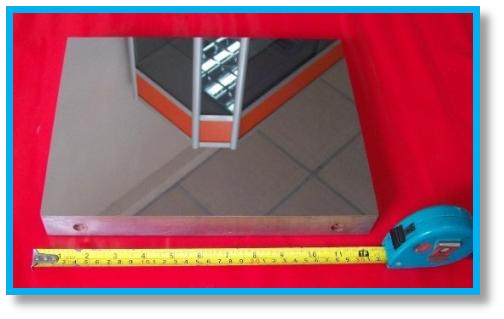
A polished mould surface can make a significant difference when an injection-moulded part needs a clear appearance, a glossy finish or a consistent visible surface. Mirror polishing is one part of the tooling process: the right finish depends on the part design, material, mould construction and the customer's acceptance requirements.
What is mirror polishing?
Mirror polishing is the progressive finishing of selected mould surfaces to achieve a highly smooth, reflective appearance. The area being polished may form an optical face, a visible exterior or another functional surface. Machining, subsequent finishing and inspection are planned together so that surface quality is improved while important contours and edges are preserved.
Why it matters for moulded parts
Details of a mould cavity surface can be transferred to the part during injection moulding. Marks or defects in a critical surface may therefore appear in the finished component. For a transparent lens or cover, the tool surface is one of the factors to review alongside resin clarity, part thickness, material preparation and moulding conditions.
Highly polished steel alone does not guarantee optical performance, zero marks or easy release. The finish must be considered together with gate position, part geometry, draft, ejection and handling. Different resins can produce different appearances even when moulded against the same finish.
Applications that may need a high polish
- Optical and lighting components: lenses, transparent covers and light-related parts where selected surfaces need careful appearance or optical review.
- Clear housings and containers: visible faces where scratches, cloudiness or other marks may affect the agreed cosmetic standard.
- Glossy electronic or consumer parts: exterior areas with specific visual and finish requirements.
Agree the finish before the mould is made
Mark the surfaces that matter on the drawing or 3D model and explain whether the priority is appearance, light transmission, assembly or another function. An agreed reference sample or recognised finish specification can help make expectations clearer. Also identify inspection conditions, allowable defects and the boundaries between polished and textured areas.
Very deep or narrow features can be difficult to access for finishing. During tooling review, the team should discuss parting lines, gate and ejector locations, draft and any risk to functional edges. Surface requirements may affect tooling cost and lead time; these are evaluated for the actual design.
How are polished surfaces checked?
The inspection method should match the requirement. A visual comparison may be appropriate for an agreed cosmetic sample, while critical optical or dimensional features may need project-specific measurement and testing. If roughness values, optical performance or reporting are required, define the measurement method and acceptance criteria before quotation. No numerical finish grade is assumed for every project.
Talk to JingZhan about your part
Send your drawing or STEP model, material, marked critical surfaces, desired appearance and expected quantities. JingZhan can review the moulding and finish requirements and discuss the next step. See what to prepare for a quotation, email yw07@jz-mould.com or contact us on WhatsApp.
Further reading: surface finishes for injection-moulded parts.
Let’s Build Precision Moulds Together
Upload your CAD files or share your product specifications. Our engineering team will respond with a detailed quotation within 24 hours.