
 English
 Español
 Português
 Русский
 العربية
 Français
 Deutsch
 中文
 日本語
 한국어
Developing Moulds for Automotive Lighting Components
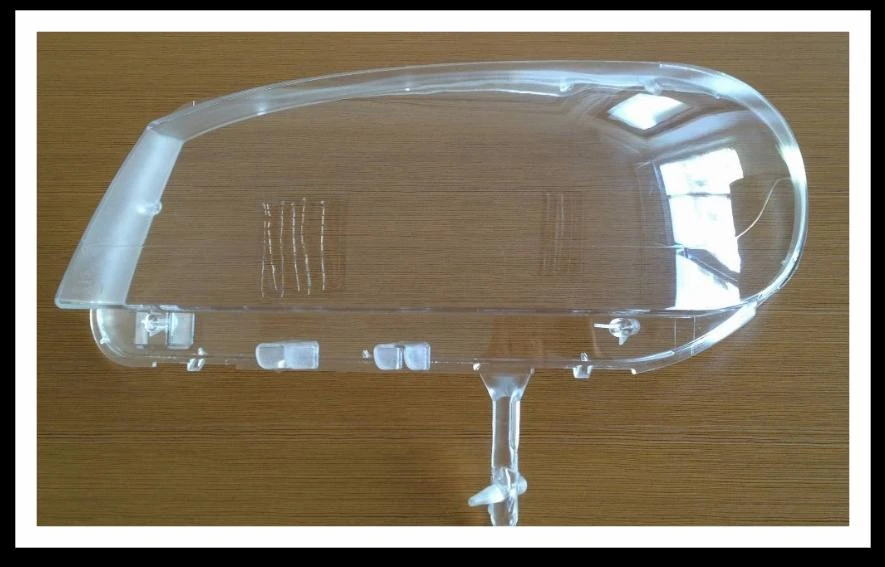
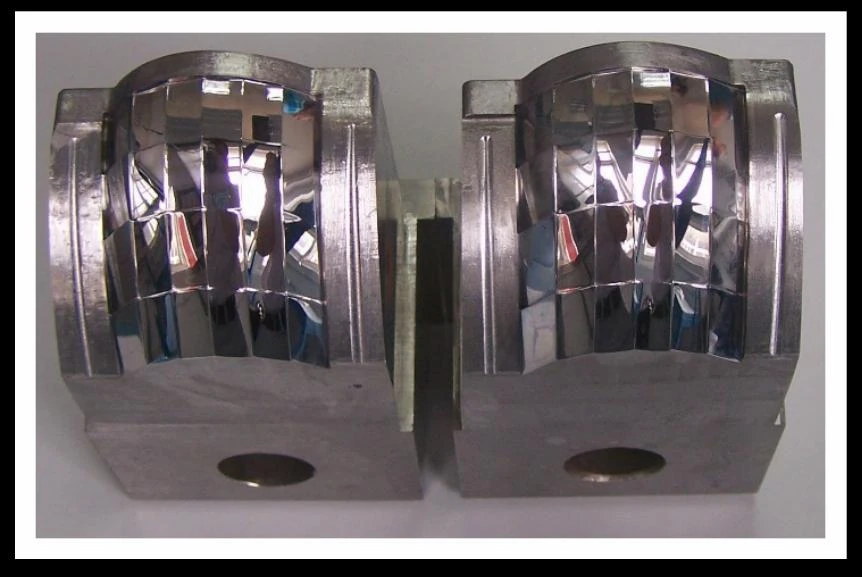
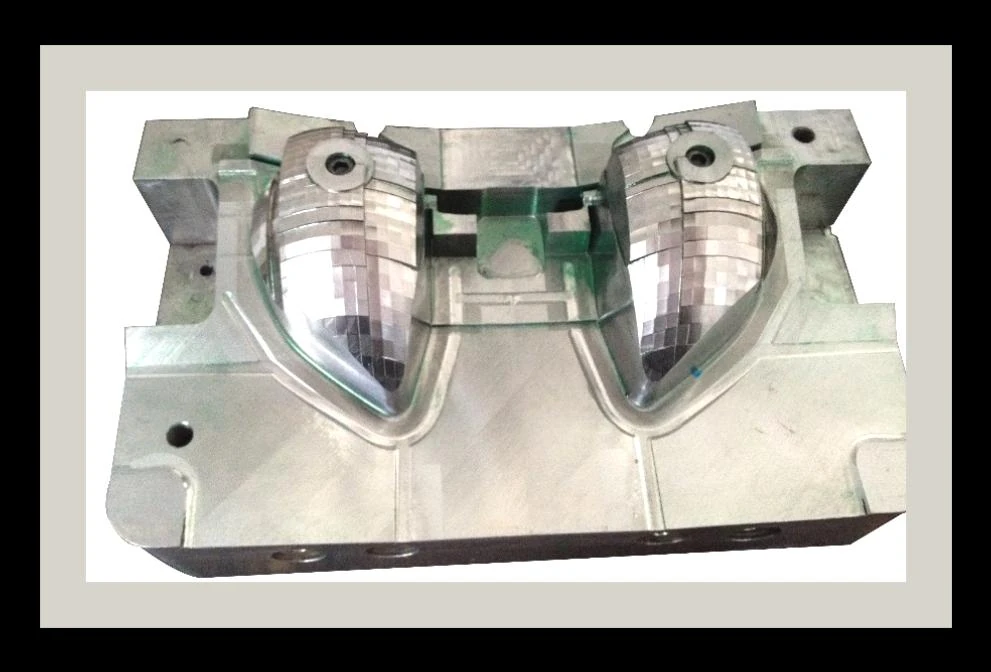
Automotive lighting components combine visible surfaces with curved geometry and assembly features. The examples in JingZhan’s portfolio include a transparent light cover and polished mould inserts for automotive parts. They show how part appearance, mould construction and inspection need to be considered together.
The manufacturing challenge
A clear cover can make flow marks, scratches, haze and other surface variations easy to see. Curved faces, mounting features and parting lines also affect the tooling layout and how the component releases from the mould. The drawing and the intended appearance standard therefore need to be reviewed before the mould design is finalised.
From tooling review to trial samples
The first step is to review the component’s shape, material requirements and visible areas. Gate position, parting lines, draft, ejector contact and cooling arrangements can then be considered alongside the mould structure. For reflective or appearance-critical surfaces, the cavity geometry and specified finish both require attention during machining and finishing.
After mould assembly, trial samples provide a basis for reviewing filling, release, dimensional fit and surface appearance. Any adjustments should be assessed against the customer’s drawings and agreed acceptance criteria before production. The photographs illustrate a cover sample and tooling examples from JingZhan’s automotive portfolio.
Points to check before approval
- Visible surfaces, permitted cosmetic marks and the agreed inspection method.
- Critical dimensions, mounting features and fit with mating components.
- Gate vestige, parting-line position, draft and mould-release marks.
- Material grade, colour or transparency requirements, and application-specific tests.
- Packaging and handling needed to protect the finished surfaces.
Discuss an automotive moulding project
Send your 2D or 3D drawings, material and finish requirements, expected quantities and any critical inspection criteria. JingZhan can review the tooling and sampling requirements with you. Contact our team or email yw07@jz-mould.com.
Let’s Build Precision Moulds Together
Upload your CAD files or share your product specifications. Our engineering team will respond with a detailed quotation within 24 hours.