
 English
 Español
 Português
 Русский
 العربية
 Français
 Deutsch
 中文
 日本語
 한국어
What to Check Before Approving Injection Moulding Samples
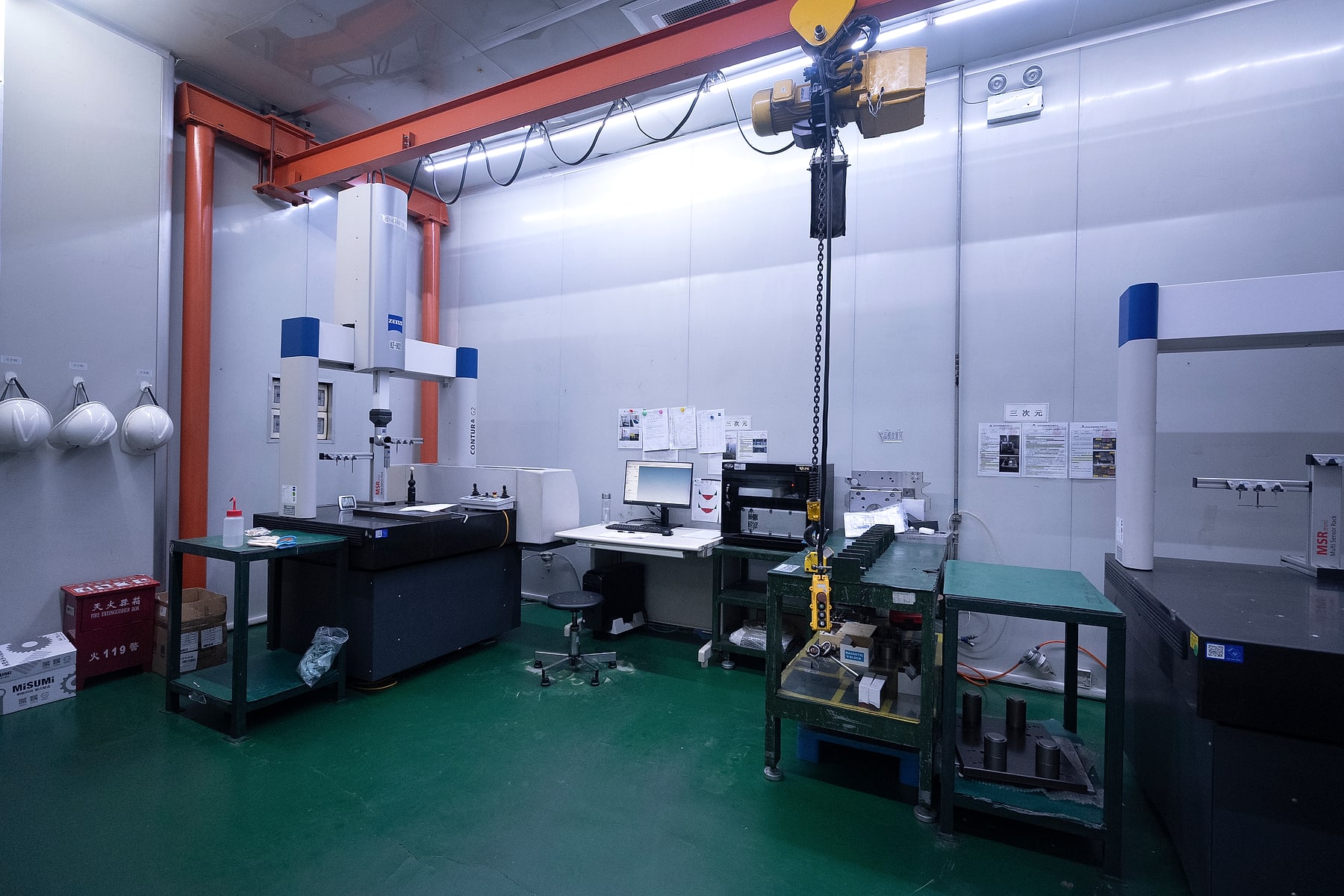
A first sample can look convincing while important questions remain open. The purpose of sample approval is to decide, with evidence, whether the project is ready for the next stage. It is not simply an email saying the parts have arrived.
A short release checklist helps engineering, quality and purchasing avoid different assumptions about what “approved” means.
Confirm what was actually sampled
Check the part number and drawing revision before reviewing measurements. Identify the proposed resin grade, colour and any relevant trial or cavity reference supplied with the sample. If something differs from the intended production basis, record it before interpreting the result.
Also confirm the sample’s purpose. A form-and-fit prototype, an initial mould trial and a production validation run answer different questions. State which decisions the sample supports and which remain open.
Review the agreed critical features
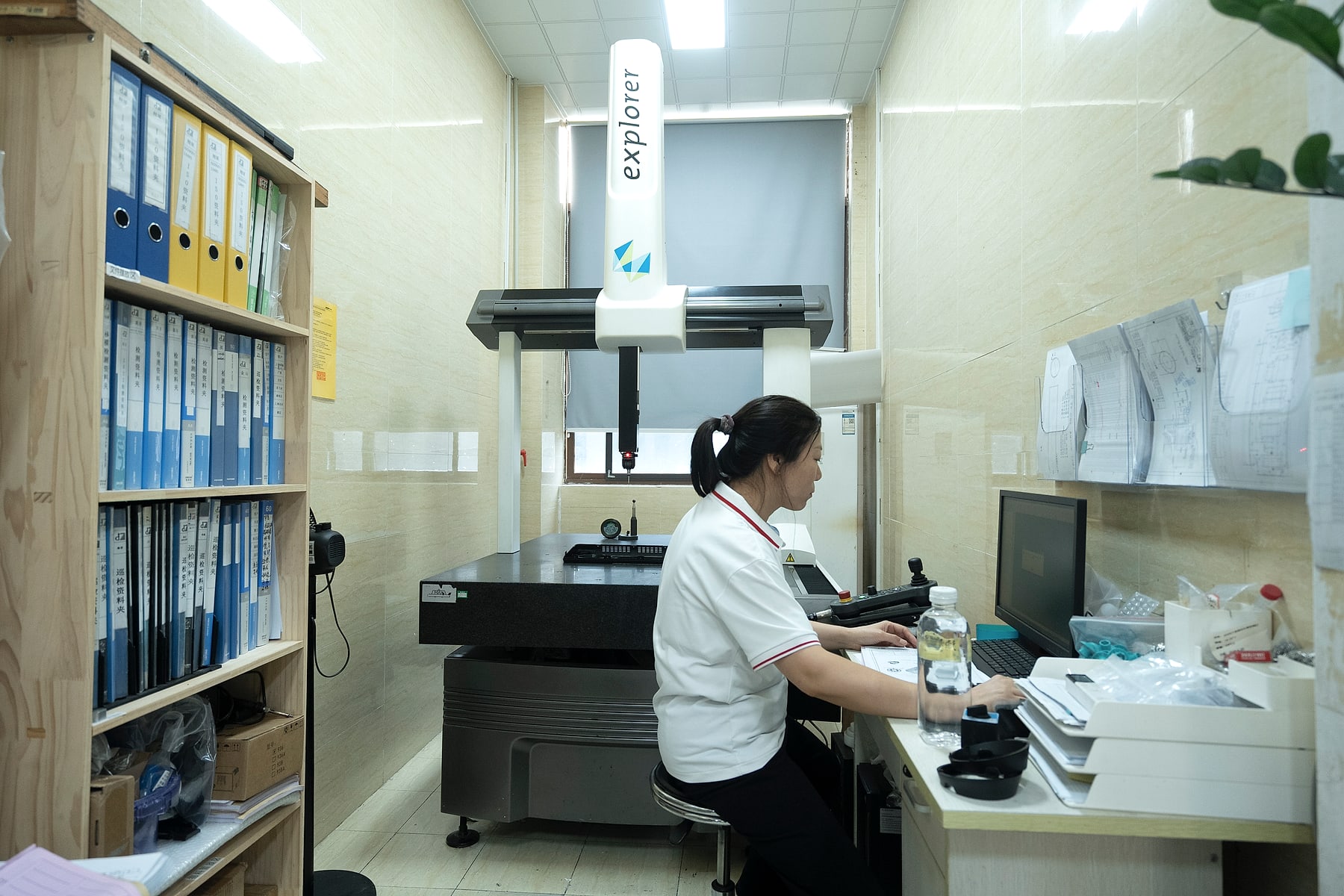
Read the inspection report against the drawing rather than treating the report title as proof that every feature has been checked. Confirm the reported dimensions, tolerances, sample quantity and method are the ones agreed for the trial.
Discuss any omitted critical feature and any result that requires clarification. Sampling and report scope need to be specified for the project; they should not be inferred from another supplier’s standard service.
| Review area | Evidence to agree |
|---|---|
| Identity | Part number, revision, resin and sample reference |
| Dimensions | Drawing-linked results for the agreed features |
| Assembly | Mating parts and a defined fit or function check |
| Appearance | Surface zones and viewing conditions |
| Application | Customer test method and responsible party |
| Release | Decision, exceptions and remaining actions |
Try the actual mating components
Where fit matters, arrange an assembly check with representative mating parts. Confirm which items were used and their revision. Locate any interference, looseness, incomplete engagement or difficult removal with a marked photograph and a clear description.
Do not use an uncontrolled mating component as the only basis for changing the mould. First establish whether the issue belongs to the sampled part, the mating part, the drawing relationship or the assembly method.
Keep appearance and application testing visible
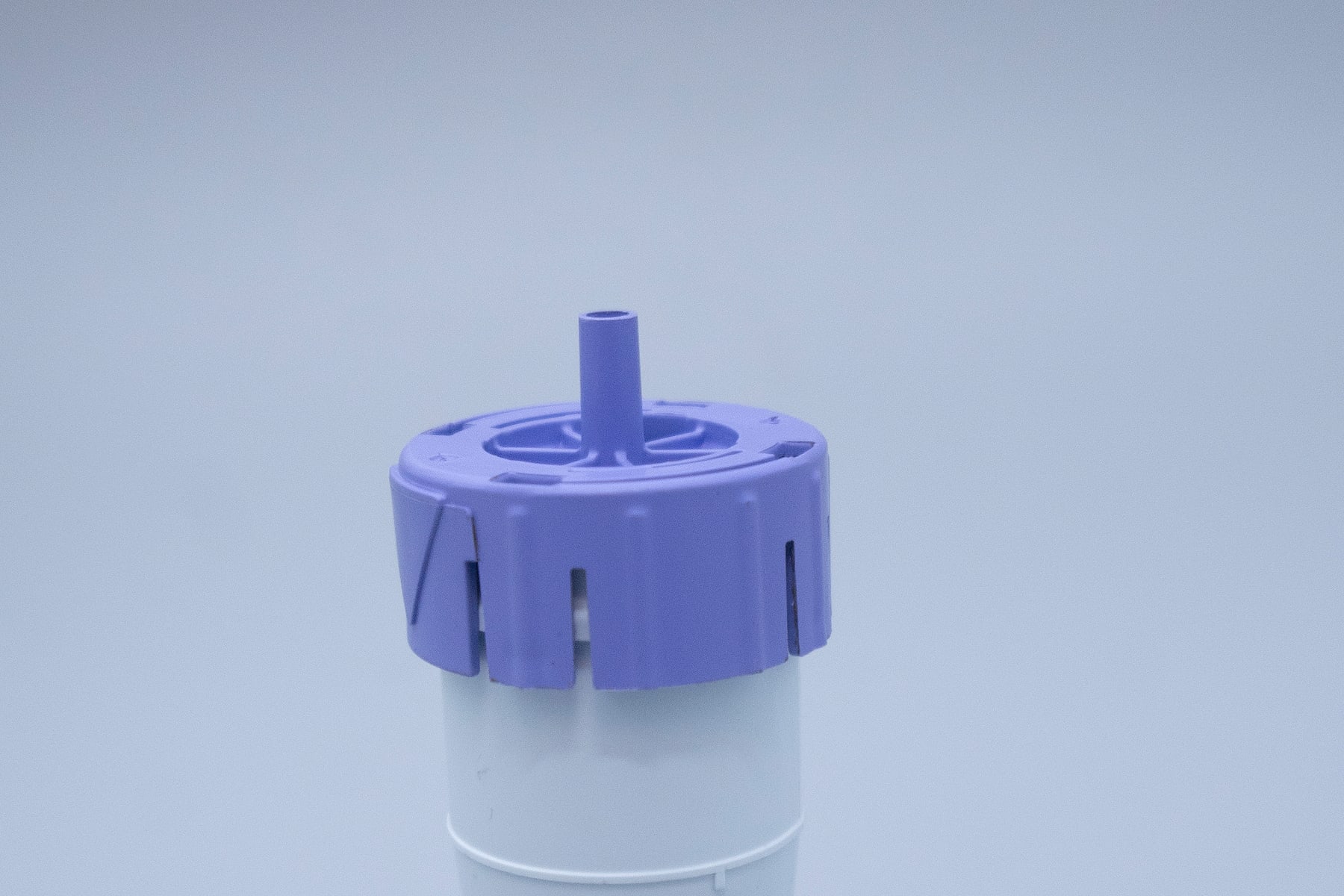
Evaluate cosmetics using the agreed reference and conditions. Keep separate results for visible faces, permitted moulding marks and any transparent area with a defined optical purpose.
Service-life, leak, environmental or regulated-use evaluations may require customer-defined equipment and methods. Agree the responsible party and reporting scope in advance. A supplier’s dimensional result does not automatically establish suitability for every end-use condition.
Release the next step with a clear decision
Use a simple action record rather than scattered messages. For each open point, identify the evidence, requested correction, responsible party and whether another sample is needed. Where a deviation is accepted, define its scope and duration.
- Accepted for the explicitly stated next stage.
- Conditionally accepted within documented limits.
- Not accepted, with the reason and next action recorded.
Keep the approved sample reference with the drawing and relevant project records. If the material, design or tooling later changes, review whether the approval still applies. This makes the sample a useful production reference instead of an isolated object on a desk.
Common questions
Does a dimensional report mean the sample is fully approved?
Not necessarily. Appearance, assembly, application testing and any customer-specific requirements may need separate review. Agree the approval scope before the trial.
Can a prototype approve every aspect of a production moulded part?
Only within its agreed purpose. Record differences in manufacturing method, material and finish, and identify which questions still require production-representative samples.
What should happen if only some checks pass?
Record the remaining issue, responsible party and next action. Any conditional acceptance should state its scope rather than imply unrestricted production approval.
Discuss your project with JingZhan
Share your critical-feature list, mating-part information and required sample checks before the trial so reporting and approval responsibilities can be planned.
See our prototyping, tooling and quotation guide or send an inquiry.
For ongoing production, see how JingZhan connects mould storage, project records and repeat orders.
Technical reference: Protolabs overview of moulded-part inspection report options. JingZhan’s report and test scope is agreed independently for each project.
Let’s Build Precision Moulds Together
Share your drawings, material requirements and target volume. Our team will review the project scope and the next practical step with you.