
 English
 Español
 Português
 Русский
 العربية
 Français
 Deutsch
 中文
中文 日本語
日本語 한국어
한국어Precision Injection Moulding for Medical, Optical, Electronics and Industrial Applications
Precision injection moulding is used across many industries, but the engineering priorities can be very different from one application to another. An optical component may place strong emphasis on surface condition and transparency. A medical or laboratory part may require clean geometry and consistent assembly features. An electronics housing may depend on thin walls, clips, openings and dimensional stability.
JingZhan Mould Technology develops moulds and moulded components for medical, optical, electronics, sensor, filtration, automotive and general industrial applications. The following examples show why the process must be matched to the function of the part rather than treated as a one-size-fits-all service.
Electronics Components: Fit, Features and Repeatability
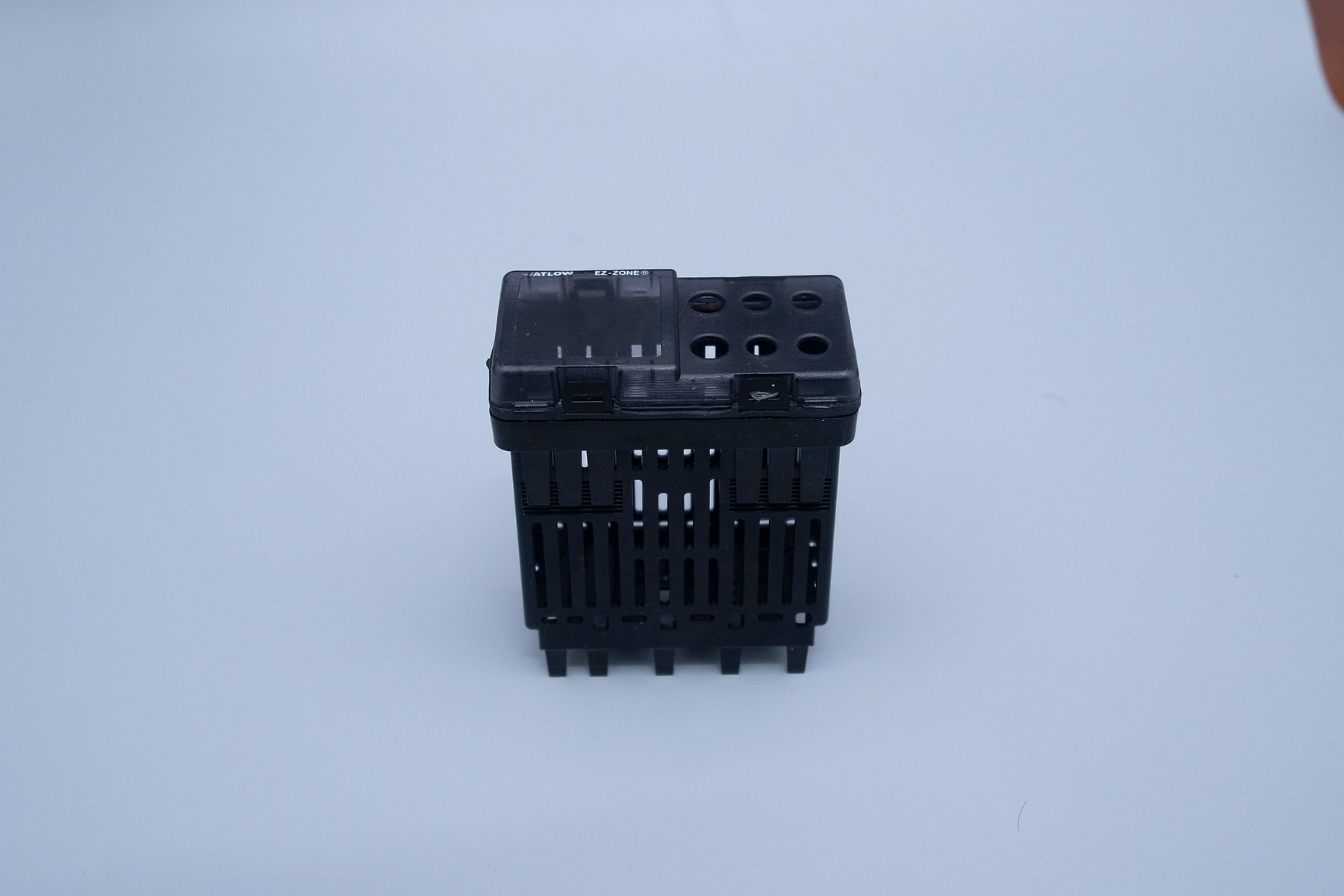
Electronics housings and structural components often combine several requirements in a compact design. Thin walls, bosses, snap fits, connector openings and cosmetic surfaces may all need to work together. The mould must fill these features while controlling deformation and maintaining the dimensions required for assembly.
Early design review can identify draft, wall-thickness transitions, gate locations and ejection risks before the tool is manufactured. Material selection is also important because stiffness, shrinkage, heat resistance and appearance influence both mould design and processing.
Medical and Laboratory Parts: Consistent Functional Geometry
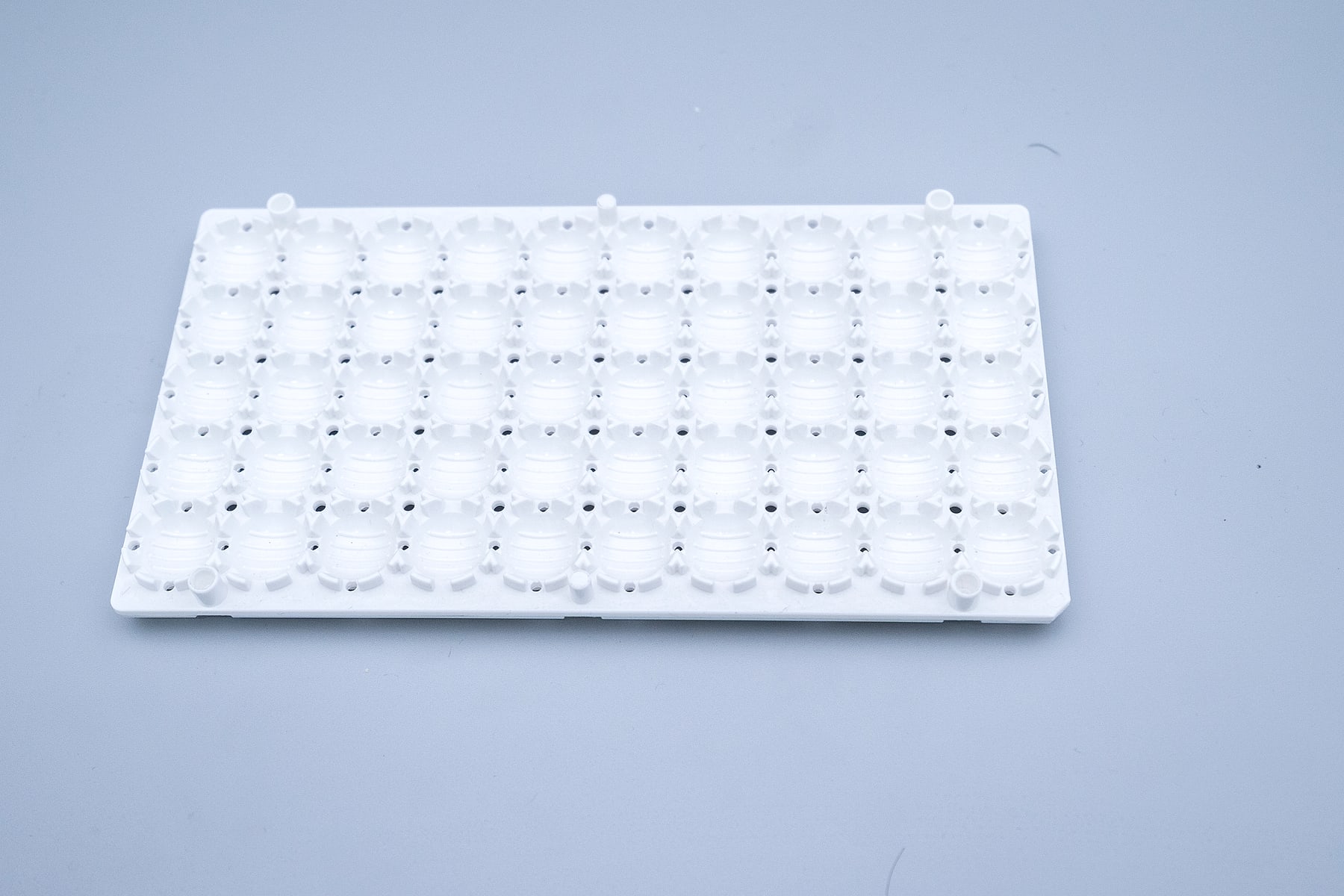
Medical and laboratory components may include trays, plates, housings, handles, covers and fluid-handling features. Part geometry must be evaluated around its intended use, selected resin and downstream assembly. Small changes in ribs, corners or wall thickness can affect filling, warpage and the consistency of repeated features.
For these projects, the customer should define the applicable material, cleanliness, validation and regulatory requirements. JingZhan can then develop the moulding and inspection approach around the supplied specification instead of making assumptions about the final application.
Sensors and Fluid-Control Parts: Interfaces Matter
Sensor housings and flow-related components frequently interact with wires, seals, connectors or other assembled parts. The moulded geometry must therefore support the complete interface, not only the appearance of the individual component. Alignment, sealing areas, port geometry and the position of embedded or assembled features can become critical.
Mould-flow considerations, controlled venting and a stable injection process help reduce the risk of incomplete filling or inconsistent geometry. Inspection can then focus on the dimensions that directly affect connection, sealing or installation.
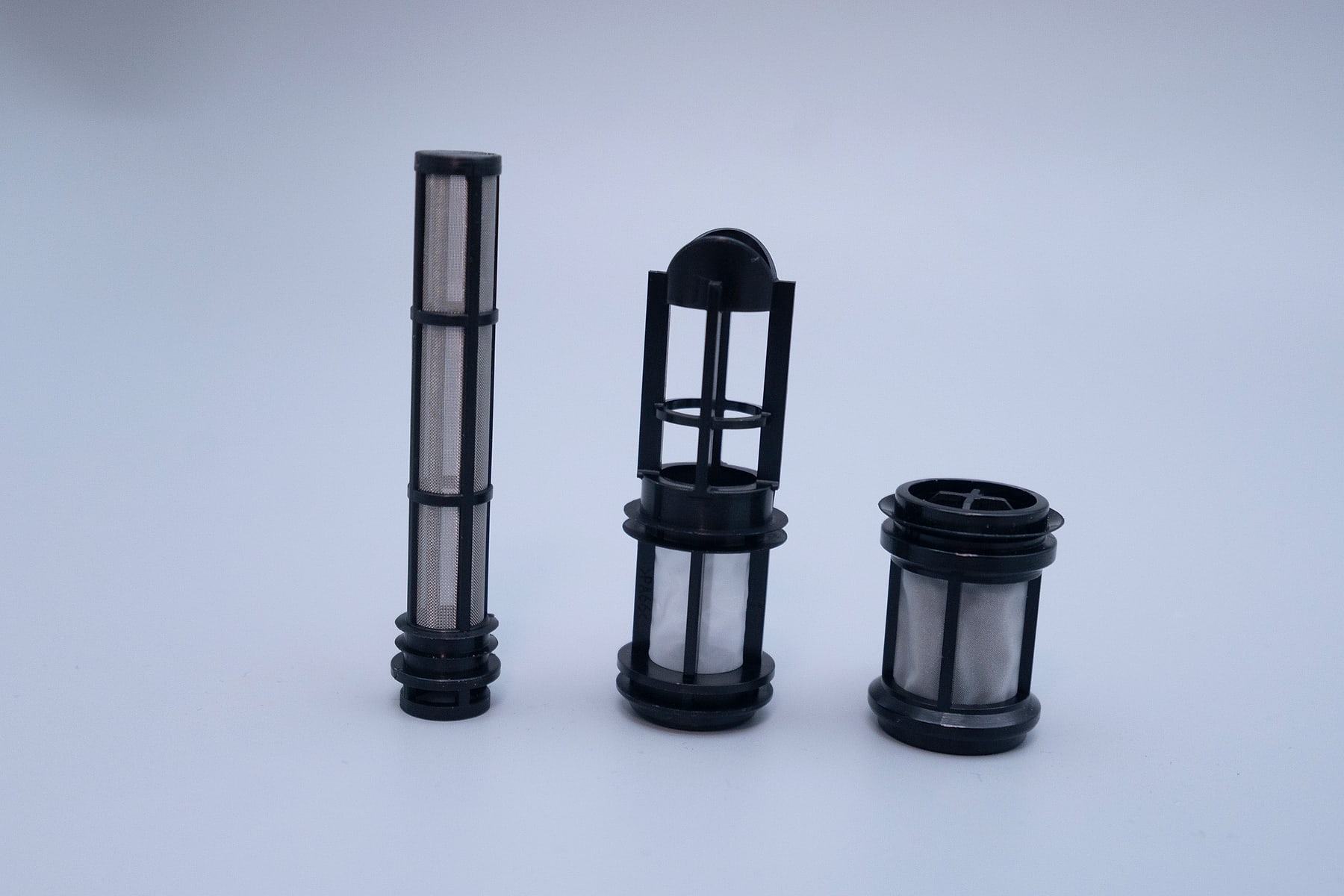
Filtration Components: Repeated Detail and Material Flow
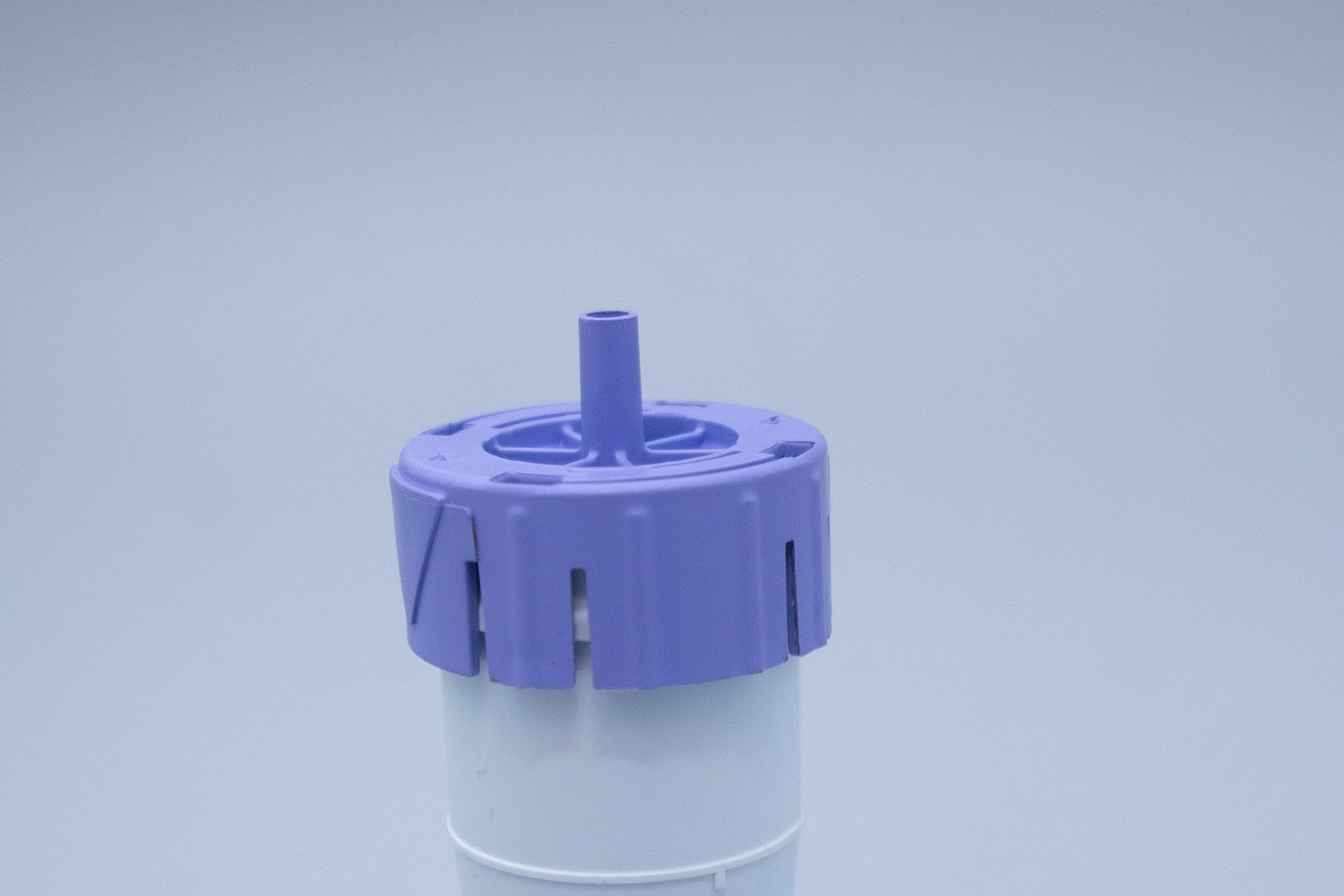
Filter housings, frames and internal support parts can include repeated openings, circular features, thin sections and flow paths. These designs require balanced filling and mould construction that allows the part to release without damaging delicate geometry.
The resin must suit the operating environment, while the mould and process must account for shrinkage and dimensional stability. When a filter component joins another part, sealing and locating features should be included in the inspection plan.
Automotive and Industrial Components: Durable, Production-Ready Design
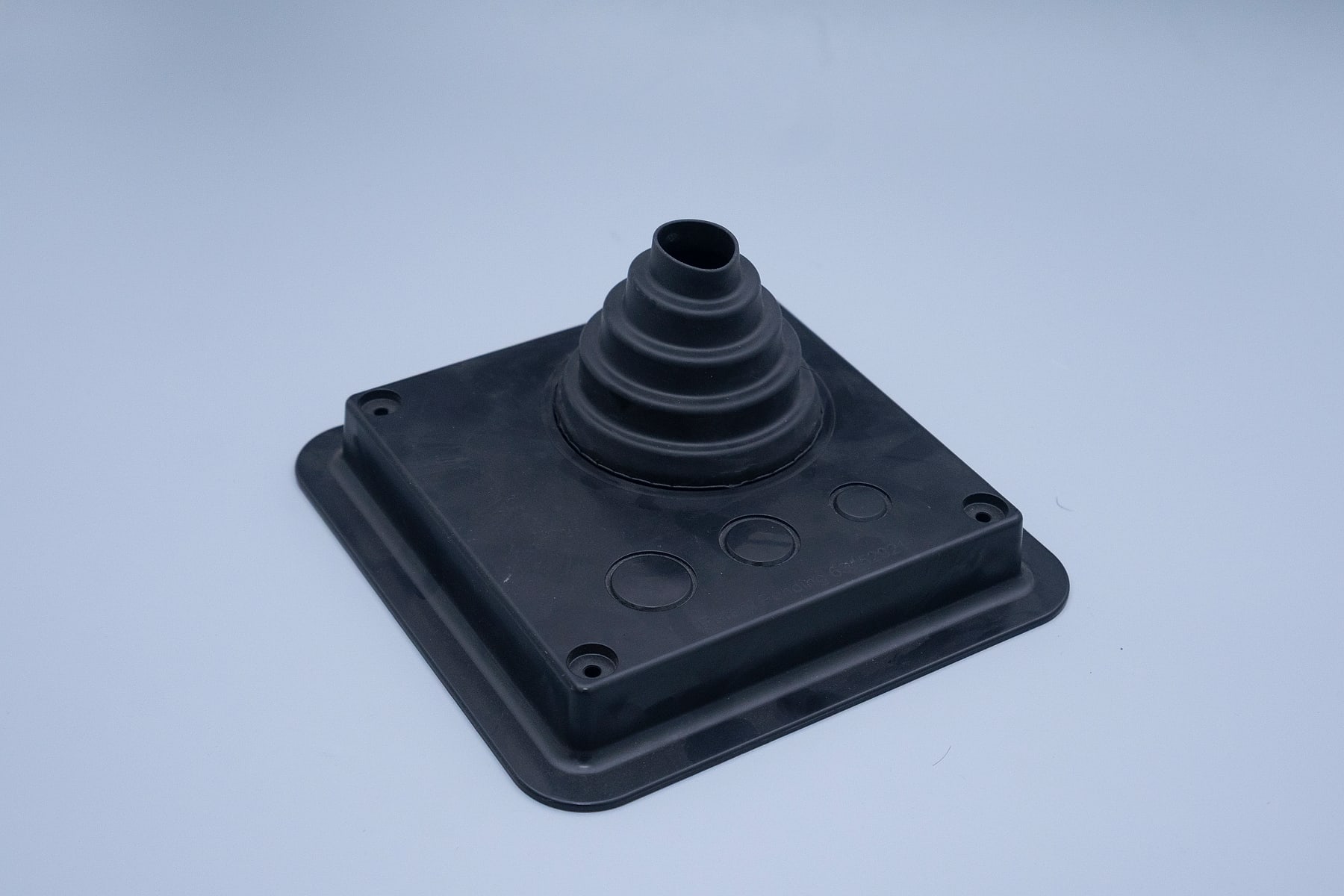
Automotive and industrial parts range from covers and housings to ducts, bellows and protective components. Their designs may need to accommodate movement, vibration, temperature, chemicals or repeated assembly. Robustness begins with an appropriate material and a part design that can be moulded consistently.
For larger or more complex components, mould structure, cooling, ejection and machine selection all affect production stability. JingZhan operates injection moulding equipment from 50T to 500T, allowing the project team to match the tool and part to a suitable production setup.
Optical Components: Surface and Light-Management Requirements
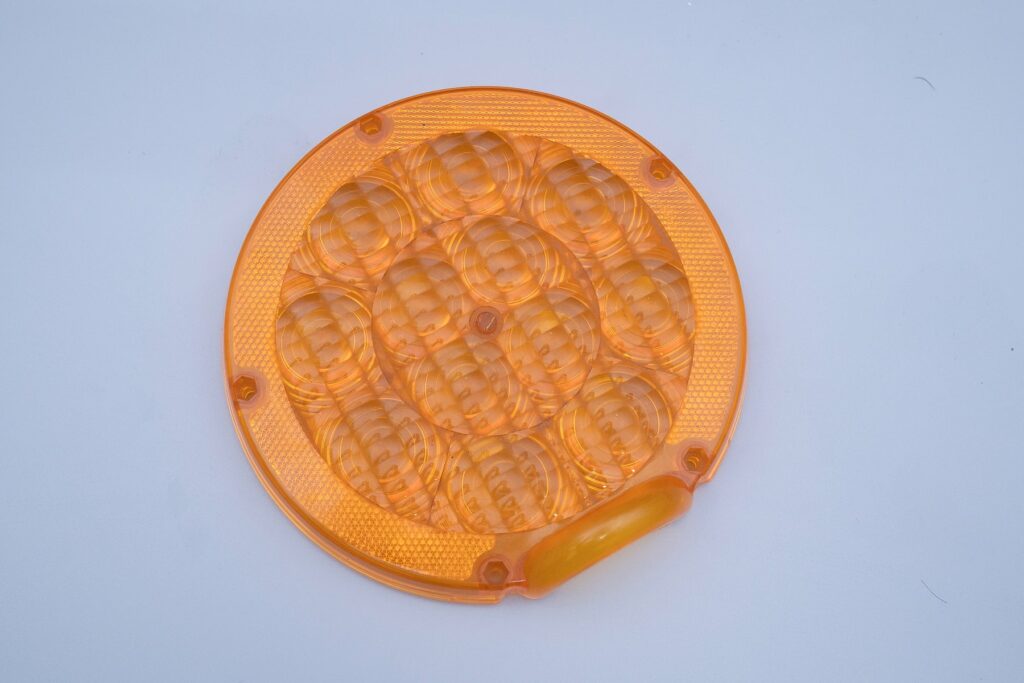
Optical covers, lenses, light guides and transparent components place special emphasis on surface condition, material handling and stable processing. Tooling surfaces, gate position and flow behaviour can influence clarity, visible marks and optical performance. These projects require close coordination between the part design, mould manufacture, resin selection and trial process.
The orange optical lens shown as the main image of this article is one example of the varied geometry possible in transparent moulded parts. The correct solution still depends on the customer’s optical function, environmental requirements and acceptance criteria.
One Development Route, Adapted to Each Product
Although these applications are different, the project route remains connected: design review, material and process planning, mould development, trial validation, dimensional inspection and production. The details of each step are adjusted to the part rather than copied from an unrelated product.
Browse JingZhan’s product categories, precision mould development and injection moulding production capabilities for more information.
Looking for a mould and production partner for a technical plastic component? Send us your 2D drawing, 3D data, resin requirement and target volume. Our engineering team will review the application and discuss the next steps.
Let’s Build Precision Moulds Together
Upload your CAD files or share your product specifications. Our engineering team will respond with a detailed quotation within 24 hours.