
 English
 Español
 Português
 Русский
 العربية
 Français
 Deutsch
 中文
中文 日本語
日本語 한국어
한국어How JingZhan Manages Mould Storage, Maintenance and Repeat Production
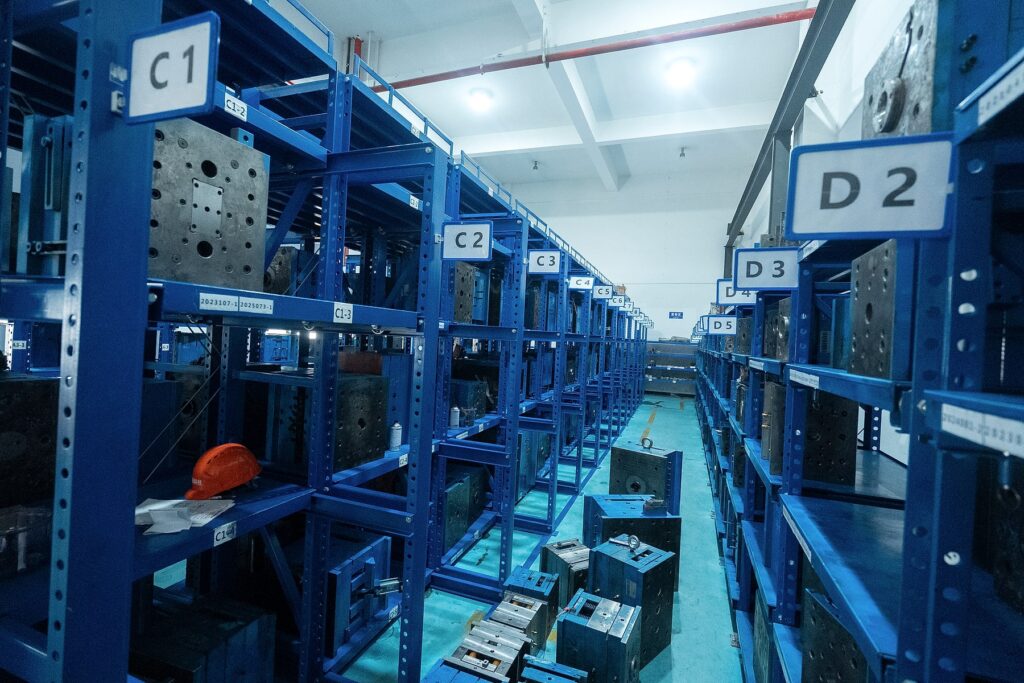
An injection mould is a long-term production asset. Its value depends not only on how it is designed and manufactured, but also on how it is identified, stored, maintained and prepared for the next production run. At JingZhan Mould Technology, tooling management connects the mould workshop, machining team, injection moulding department and quality personnel in one practical workflow.
This approach helps protect customer tooling, makes repeat orders easier to organize and provides a clear route when a mould needs cleaning, maintenance or modification.
Every Mould Needs a Clear Identity
Tooling management begins with identification. A mould should be connected with the correct project, part, material and production information. Clearly numbered storage locations allow the team to find the tool efficiently and reduce the risk of confusion when several projects have similar mould bases or components.
Project records can also provide the context needed before a repeat run, such as the previous production setup, known maintenance points and approved part requirements. The goal is to keep the physical mould and its production history connected.
Controlled Storage Between Production Runs
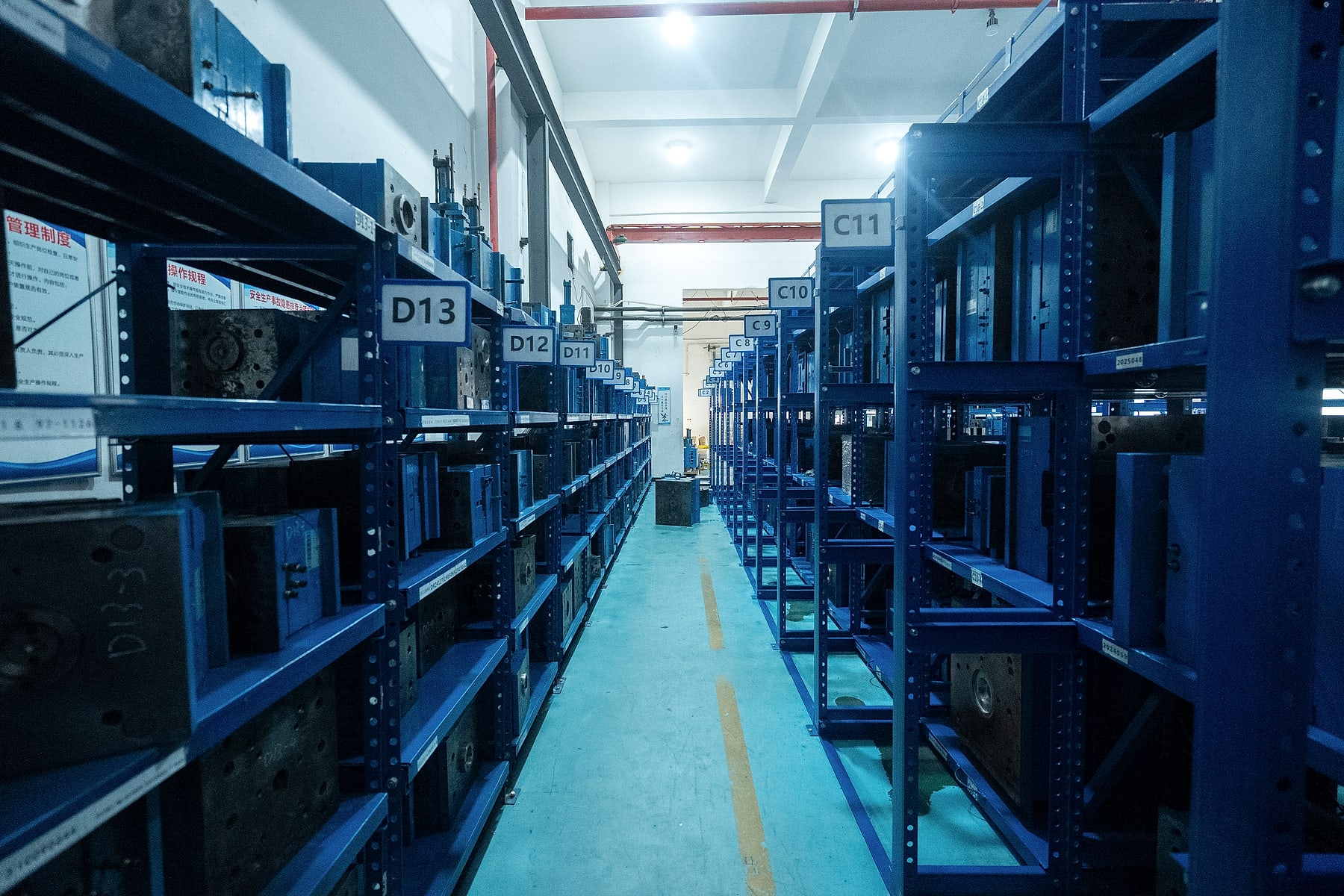
When a production order is complete, the mould is prepared for storage rather than simply moved off the machine. The tooling team can check its condition, clean appropriate surfaces and protect exposed areas before it returns to its assigned location. The exact preparation depends on the mould construction, resin and expected storage period.
An organized storage area also improves planning. The production and maintenance teams can see where tooling is located, which moulds are being serviced and which tools are ready for the next schedule. This is especially useful for projects that return in batches rather than running continuously.
Maintenance Is Based on the Tool and Its Use
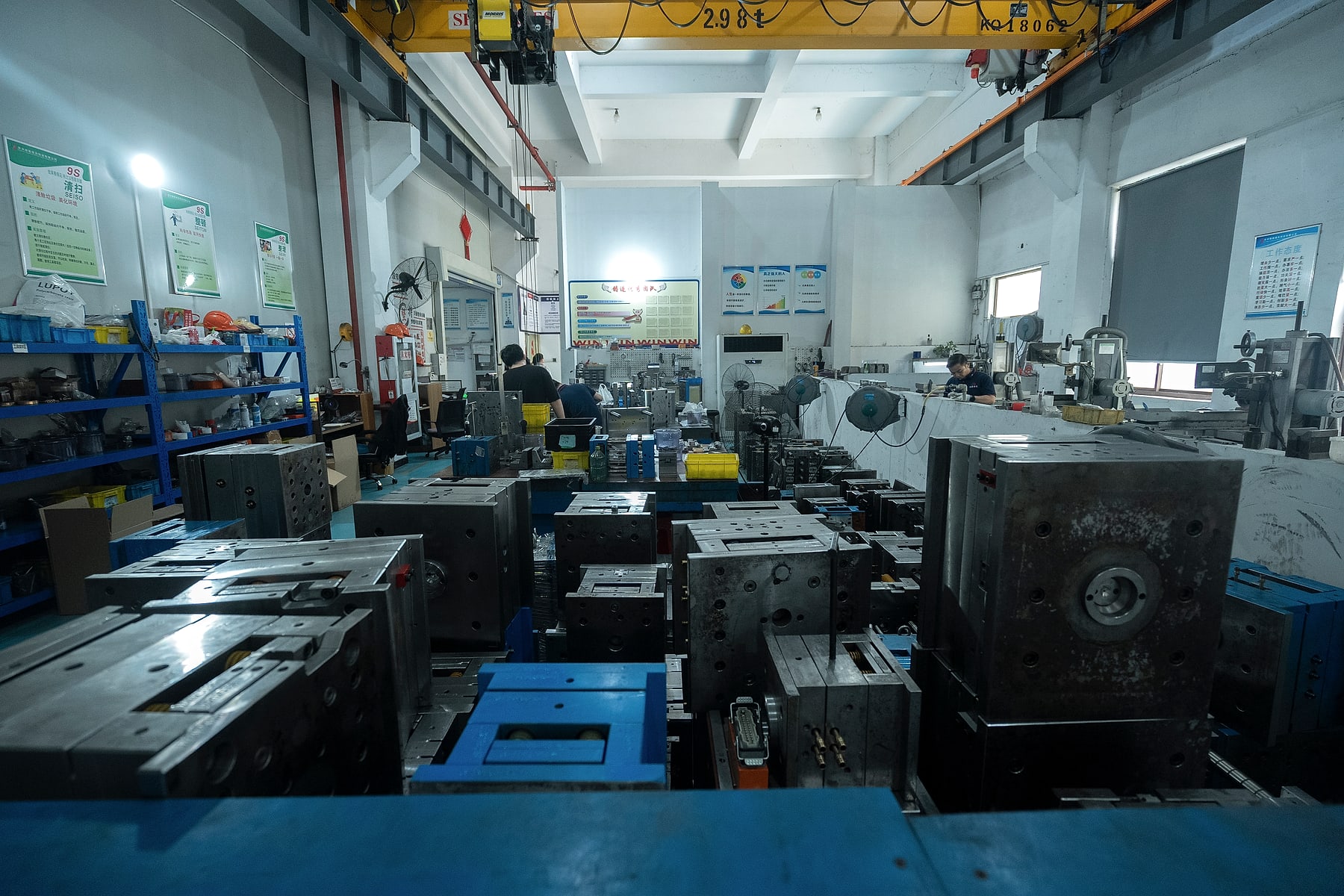
Different moulds experience different types of wear. Moving slides and lifters, ejector systems, gates, vents, cooling connections and sealing surfaces may need attention at different intervals. A mould running an abrasive filled material will not have the same maintenance needs as a simple tool producing an unfilled resin.
Regular review helps the team identify wear before it affects part quality or machine time. The tooling department can disassemble relevant sections, inspect working surfaces and carry out fitting, polishing or replacement work as required. Because the team also sees the mould during trials and production, maintenance decisions can be linked to actual mould behaviour.
In-House Machining Supports Faster Corrections
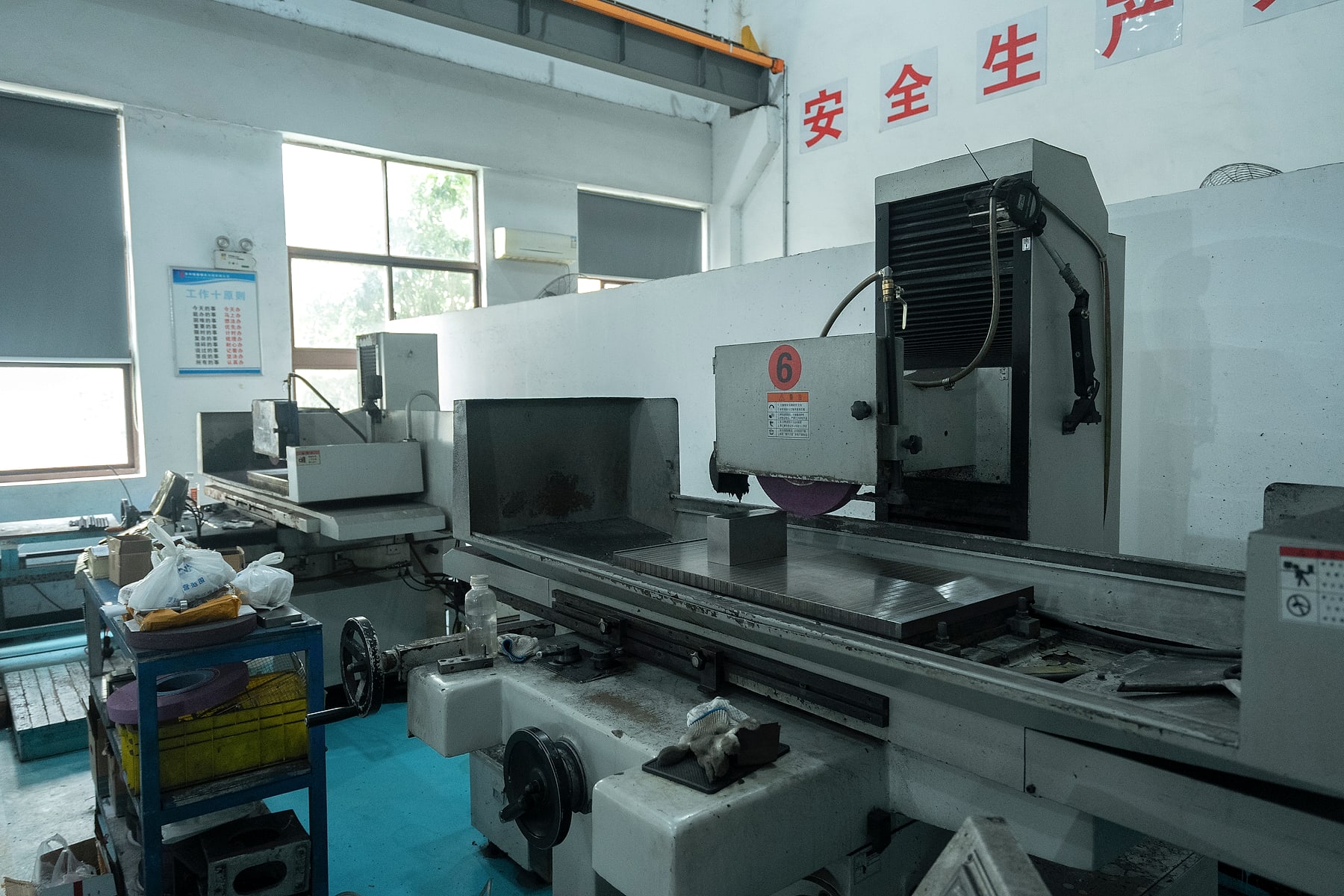
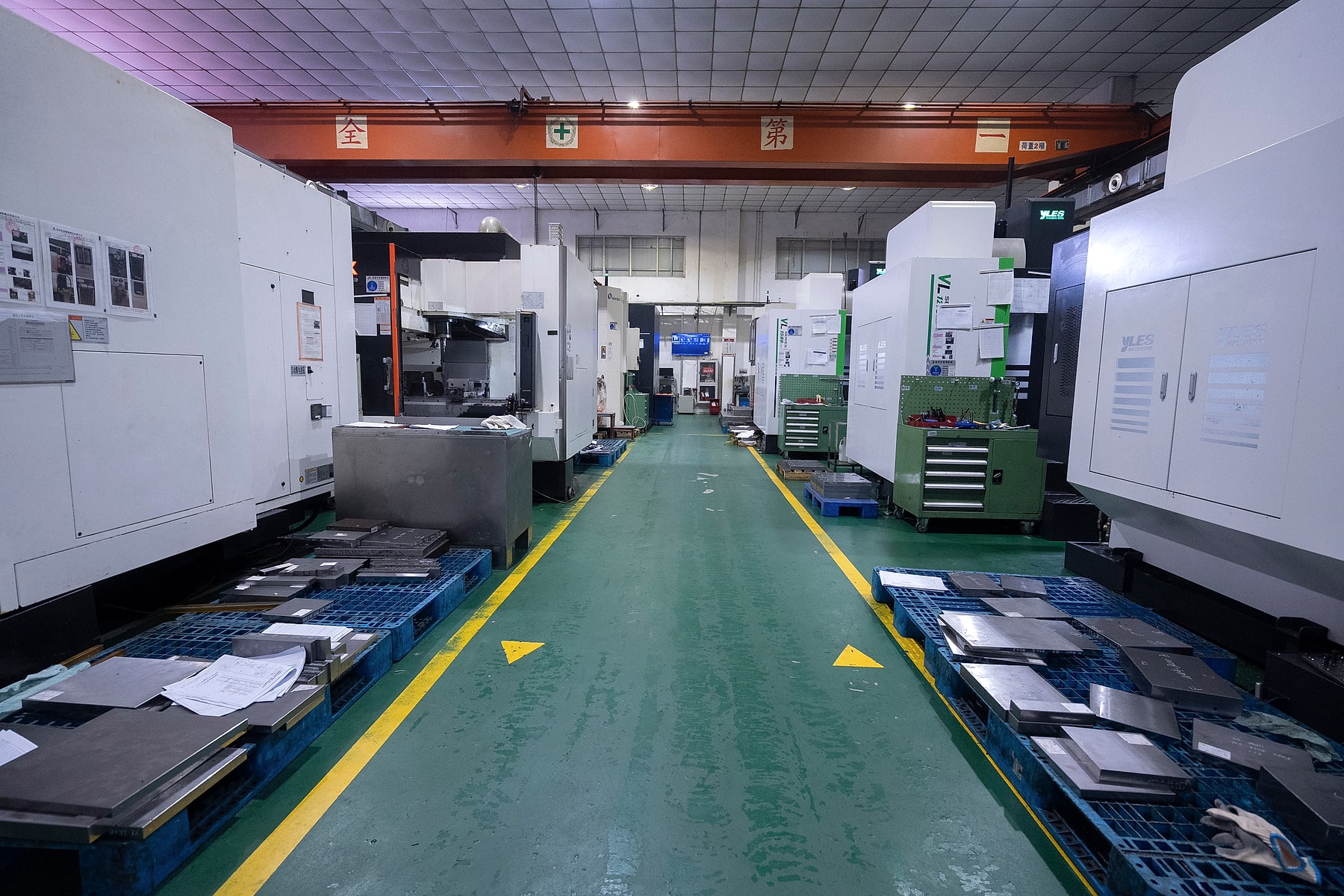
When inspection shows that a mould component must be repaired or modified, direct access to machining is valuable. JingZhan’s mould-making floor includes CNC and supporting equipment for cores, cavities, inserts and other tooling components. Engineering, machining and fitting teams can review the same requirement without sending the project through several outside suppliers.
This capability supports planned maintenance as well as design updates. A product revision may require a modified insert, a different gate, an adjusted shut-off or a change to an assembly feature. The scope is reviewed first so the team can determine whether the existing tool can be modified safely and how the change will be verified.
Preparing a Mould for Repeat Production
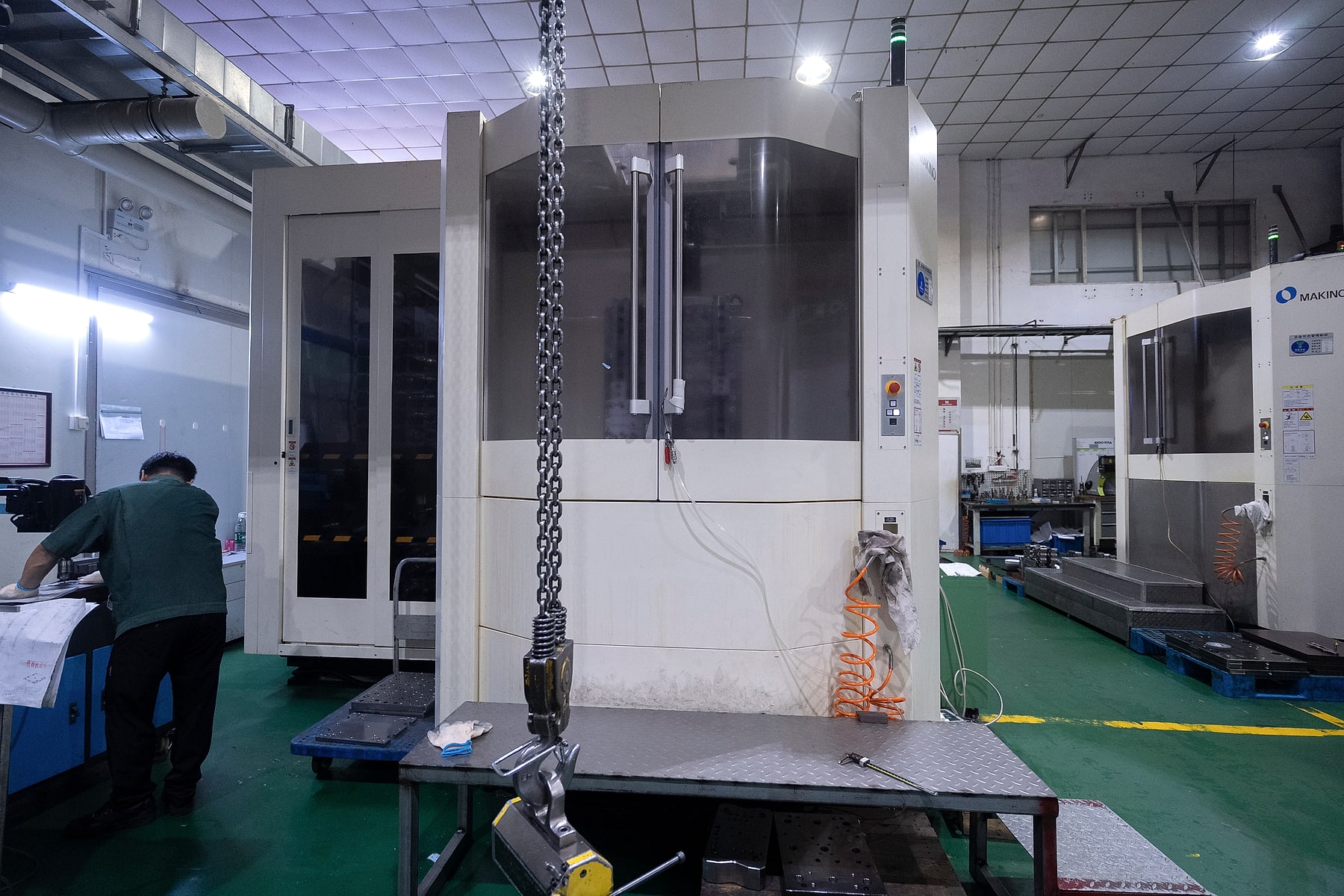
Before a mould returns to an injection moulding machine, the team checks that it is ready for the planned material, machine and production requirement. Connections, moving systems and critical surfaces can be reviewed, while previous production information provides a useful starting point for setup.
The first pieces from a repeat run are then evaluated against the approved requirements. If the mould, material and process are stable, production can continue with greater confidence. If something has changed, the tooling, moulding and quality teams can work together to isolate the cause.
Lifecycle Support, Not Just Initial Tool Delivery
A well-made mould still needs responsible management throughout its service life. Organized storage, condition checks, maintenance records and access to repair or modification capability help extend useful tooling life and make future production more predictable.
Explore JingZhan’s precision mould development, mould repair and modification and injection moulding production services.
Do you need a new mould, maintenance support or a repeat production run? Send us the tool information, drawings and production requirements. Our team will review the current condition and recommend the next practical step.
Let’s Build Precision Moulds Together
Upload your CAD files or share your product specifications. Our engineering team will respond with a detailed quotation within 24 hours.