No.222 Lianhua Rd, Zhangpu, Kunshan, Suzhou, Jiangsu, China
+86 0512-66027995
+86 18862340869
0512-665027995
yw07@jz-mould.com
Custom ManufacturingISO 9001DFM Support
Circular LED and Precision Optical Lenses
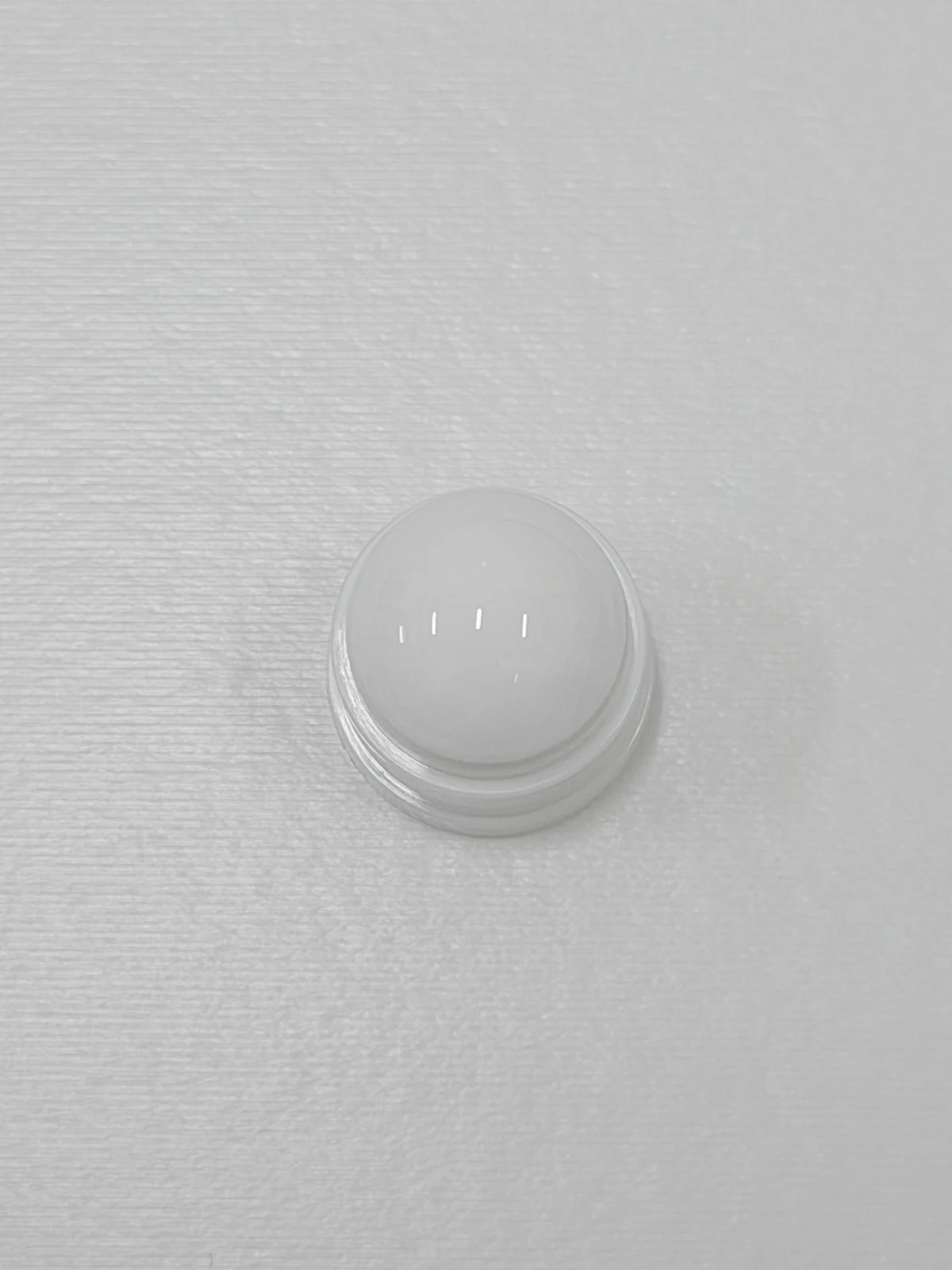
For LED lighting, warning lights, circular optics and precision illumination assemblies, JingZhan manufactures coordinated plastic parts built around the customer’s assembly and performance requirements. The molding plan is developed around repeatable lens profiles and focal geometry, accurate LED-to-lens alignment, and high-quality transparent surfaces with controlled optical defects. Resin selection, gate location, parting lines and inspection points are matched to the mating parts, operating environment and expected production volume.
Custom injection-moulded lens components for LED illumination, warning lights and optical assemblies, with tooling and production planning for repeat OEM orders.
JingZhan supports the route from customer-approved CAD to mould trials and part production. For ongoing supply, the project also needs a controlled drawing revision, agreed quality records, a delivery schedule and a maintenance plan for the production tool.
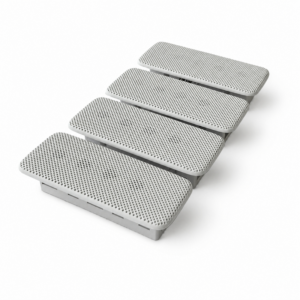
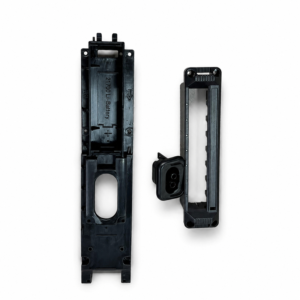
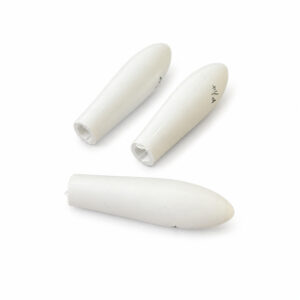
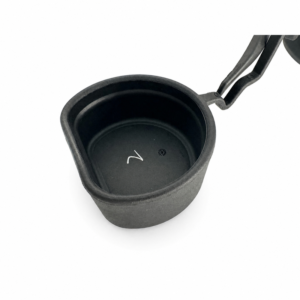
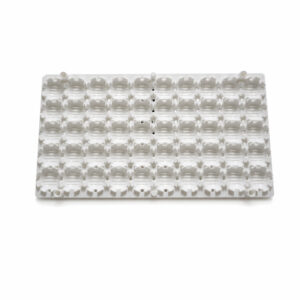
Share your expected annual demand and release quantities alongside the lens design. We can review the tooling route and batch economics together. The photographs show custom component examples, not a standard stock range.
DESIGN AND PROCESS
What matters when moulding an optical lens
The DFM review should separate the light-transmitting surface from the mechanical features. We review both against the approved drawing, rather than applying one general tolerance or appearance rule to the whole part.
01
Protect the optical surface
Define the usable optical area and the permitted locations for gates, parting lines and ejector contact. Agree limits for scratches, flow marks, weld lines, black specks and gate vestige using drawings and appearance samples.
02
Control the lens profile
Specify the lens profile, centre thickness and locating datums together. Review thickness transitions, filling and cooling before cutting the tool, particularly where thicker optical sections meet thin mounting features.
03
Select a resin grade for the assembly
Optical-grade PC and PMMA are starting options, not interchangeable substitutes. Confirm the grade against light transmission, operating temperature, impact, weathering and any coating requirements. The resin supplier's data sheet governs processing conditions.
04
Manage drying and contamination
Establish resin drying, handling and machine-cleaning controls for the selected grade. Material contamination and moisture-related appearance defects should be reviewed alongside the moulding process, not hidden by post-processing.
05
Validate the complete optical module
Use trial parts to check the fit to the PCB, LED, housing and mounting features. Beam distribution and illumination uniformity need an agreed test with the actual light source and assembly. A dimensional inspection alone does not establish optical performance.
06
Keep surfaces protected after moulding
Plan handling and separated packing to limit rubbing and scratches. Agree the inspection lighting, viewing conditions and acceptance samples before production so that cosmetic decisions are repeatable.
Confirm the interfaces before the mould is made
Provide the LED position, mating CAD, locating features and any sealing surfaces with the lens drawing. We can then review access for tooling, demoulding direction and assembly clearance together.
Optical geometry changes remain subject to your design approval. We do not substitute a visually similar lens for a validated optical design.
TECHNICAL SPECIFICATIONS
A specification built around your drawing
These are custom-manufacturing options and confirmation items. They are not measured specifications for every component pictured on this page.
Product and tooling specification framework
Parameter
Specification or confirmation required
Manufacturing process
Custom plastic injection moulding with dedicated tooling and trial-sample validation.
Component scope
Circular lens components, LED lens covers and related precision optical mouldings, to approved CAD.
Resin options
Optical-grade PC or PMMA. COC/COP and other optical materials can be reviewed for a specific design. Grade and supplier to be approved before tooling trials.
Overall size and wall thickness
To customer 2D/3D data. Maximum section thickness, flow path and projected area are reviewed during DFM.
Critical dimensions and tolerances
Drawing-specific, with datum and measurement method agreed. Toolmaking equipment accuracy is not a blanket tolerance for the finished plastic lens.
Optical profile and beam angle
To customer optical design. Beam angle and light distribution are validated with the specified LED and assembled module.
Transmission, haze and colour
Project-specific limits at an agreed wavelength or test method, thickness and resin grade. Clear or coloured options require approved samples.
Surface and visible defects
Optical-area boundaries, polish or optical texture, scratch limits and permitted moulding marks to drawing and approved appearance standard.
Tool insert material
S136/ESR or another suitable mould steel can be assessed against optical finish, corrosion resistance and tool-life requirements.
Cavity and runner arrangement
Single- or multi-cavity tooling selected after volume, balance, geometry and investment review. Runner type is confirmed in the tooling proposal.
Inspection and records
Agreed dimensional and visual inspection plan, with trial reports and material documentation defined in the quotation. Optical performance testing is scoped separately.
Production baseline
Customer part number, drawing revision, approved resin grade and colour, critical features and accepted trial samples are defined before repeat-order release.
Supply arrangement
Batch quantities and requested delivery dates are agreed per order. Annual forecasts, scheduled releases and any buffer-stock requirement are reviewed separately.
Packing
Separated protective packing to the agreed surface-protection and shipping requirements.
MANUFACTURING AND INSPECTION
Toolroom, moulding and dimensional inspection
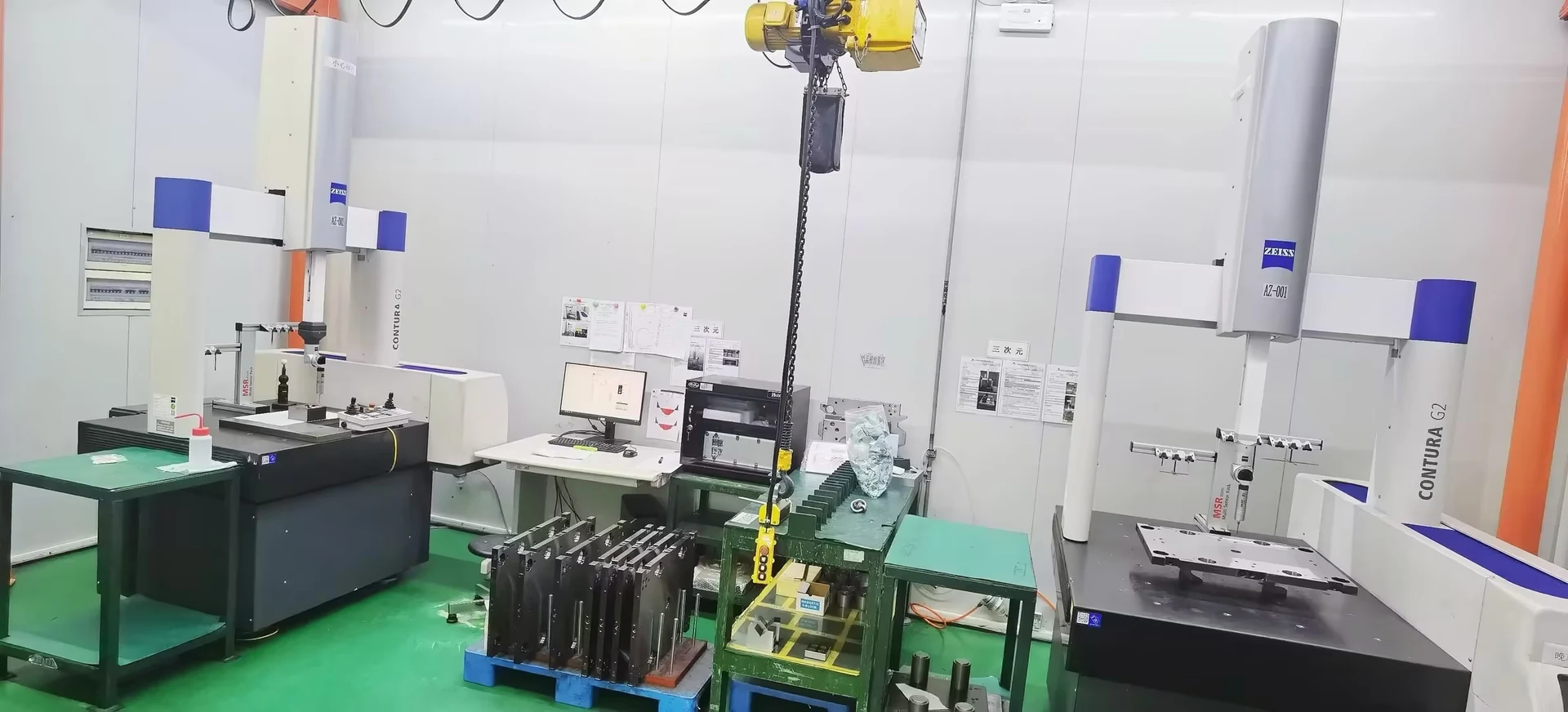
JingZhan combines toolmaking with injection moulding and dimensional inspection. Available equipment covers CNC machining, EDM, grinding and polishing. The route for a particular lens is selected after engineering review.
Equipment options and proposed process assignment
Stage
Listed equipment
Application to this product family
Tool machining
Makino V33 CNC; YASDA and other listed CNC centres; Sodick/Makino EDM.
Machine inserts, locating features and supporting tool geometry. Finish the optical face to the approved surface requirement.
Surface finishing
Listed grinding equipment and TGP-100 mirror-polishing equipment.
Select the finishing route for the insert geometry and specified optical surface. Confirm any surface measurement separately.
Injection moulding
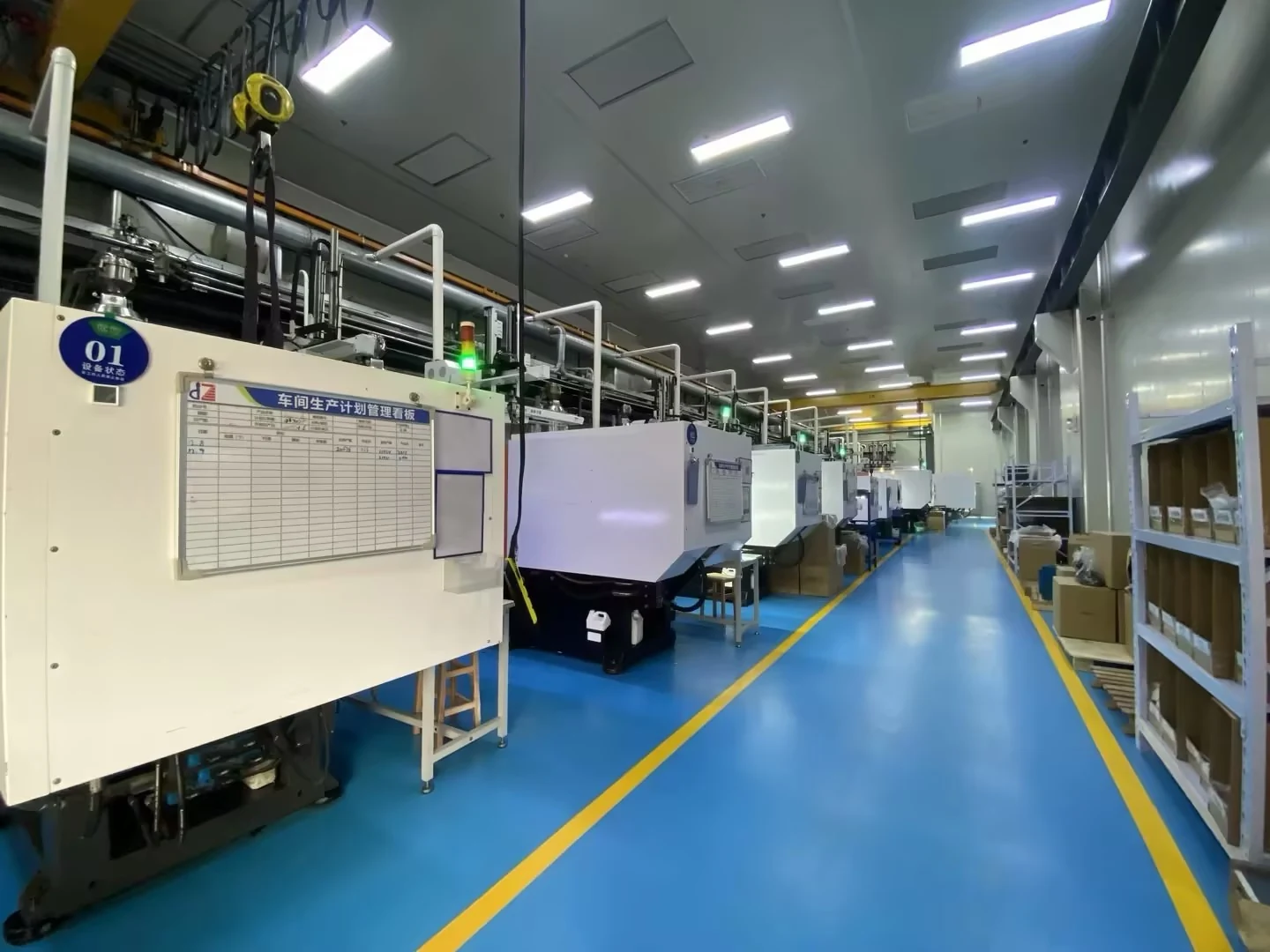
Nissei 50 T and 100 T, Chen Hsong 128–260 T, and Haitian 500 T machines.
For a small-lens pilot tool, assess the 50–100 T machines first. Final selection depends on projected area, cavity count, shot volume and resin.
Dimensional and visual checks
ZEISS/Hexagon CMMs, listed vision-measurement systems and Nikon microscopes.
Check agreed locating dimensions, features and visible defects using suitable fixtures and methods.
Optical validation
Test resources to be agreed for the project.
Confirm whether beam, transmission or other optical tests will be performed by the customer, an agreed external laboratory or specifically arranged resources.
CONSISTENCY BETWEEN PRODUCTION BATCHES
Agree the quality baseline before repeat production
A repeat order should refer to an identifiable part revision and an agreed acceptance standard. For an optical component, that includes the optical-area boundaries, appearance samples, critical locating dimensions and the method for any functional optical test.
The control plan should identify what is checked, when it is checked and which records accompany the shipment. Record availability, sampling frequency and retention periods are confirmed for the project before production release.
JingZhan dimensional inspection equipment. Optical-performance tests are scoped separately for the lens and assembled lighting module.
Quality-control scope to agree for ongoing part supply
Control point
What the project plan should define
Approved part baseline
Part number, drawing revision, approved resin and colour, accepted samples, critical dimensions and appearance limits.
Material identification
Resin manufacturer and grade, colour specification and material batch identification. Required material declarations or certificates are listed in the quotation.
First-off and in-process checks
Startup acceptance, checks after an interruption or relevant adjustment, and an agreed sampling plan for dimensions and visible defects during the run.
Shipment release and traceability
Shipment lot, quantities, part revision and inspection records, with links to the material and production information required by the customer.
Optical acceptance
Test method, fixture or complete LED module, acceptance criteria and responsible test party. Dimensional results do not replace optical validation.
Nonconforming parts
Identification and segregation, escalation contacts, containment and an agreed disposition or corrective-action response before affected supply resumes.
For a reported issue, the useful starting information is the part number and revision, delivery or lot reference, affected quantity, photographs and measurement results. The supply plan should set out who makes the disposition decision and how replacement or rework is agreed.
ONGOING OEM PART SUPPLY
Plan repeat orders around your production demand
JingZhan injection moulding workshop. Capacity and delivery slots are confirmed against the project and order schedule.
Annual demand and shipment size serve different purposes
Annual demand helps assess cavity count, resin procurement and tooling investment. The release quantity and required date determine the batch plan. Providing both helps compare unit cost and delivery flexibility.
Scheduled releases, reserved capacity, buffer stock and emergency replenishment can be discussed as separate supply arrangements. Their quantities, responsibilities and costs need explicit agreement; they are not assumed to be included in a normal purchase order.
Approve the part
Confirm drawing revision, resin, trial samples, inspection scope and packaging before series release.
Agree the supply plan
Define annual demand, release quantities, order lead time and requested shipment dates.
Release each batch
Reference the approved part number and revision. Confirm material availability and the production slot.
Reorder against the baseline
Carry forward the agreed specification. Review changes separately before the next affected batch.
Separate tooling investment from part cost
The quotation should identify the mould charge separately from the piece price. Batch size, resin grade, cavity arrangement, setup loss, inspection scope and packaging all influence the recurring cost. Quantity-based pricing can then be assessed against realistic release volumes.
Define the shipping and packing standard
For lens parts, agree separated packing and surface protection, pack quantity and labels carrying the part number, revision, lot and quantity. Assembly, customer-specific labelling or special packing can be reviewed and quoted where applicable.
TOOLING CONTINUITY AND CHANGE CONTROL
Keep the tool ready for the next order
The mould is part of the long-term supply arrangement. Before tool release, agree ownership, storage, maintenance responsibility, service costs and any handover requirements. Tool-life expectations should relate to the design, steel, resin and operating conditions, rather than an unqualified shot-count promise.
Maintenance and replacement parts
Define inspection and maintenance intervals around tool condition and use. Review optical-face wear, vents, gates, ejectors and alignment features. For critical components, assess spare inserts or other replacement parts against the risk of a production interruption.
Repairs and return to production
Identify the repair scope and any affected features. Where the work could change fit, appearance or optical geometry, agree the sample and inspection requirements for restarting supply. Keep the maintenance or repair record associated with the production tool.
Review changes before the affected batch
Changes to the drawing, resin grade, colour, critical tooling features or agreed manufacturing route should be assessed before implementation. The agreed procedure should cover the reason for the change, its effect on cost and delivery, required customer approval, and any new samples or validation.
After approval, update the relevant drawing, process and inspection references and identify the first affected shipment. Apply the same review principle to tooling repairs that can alter the accepted part.
INDICATIVE PROJECT PLANNING
Distinguish new-tool lead time from repeat orders
Indicative planning only. The figures below are initial quotation assumptions, not standard service commitments. Engineering and sales confirm the final schedule and quantities for the part, resin, tool and order.
Proposed schedule and MOQ for a custom lens project
Item
Proposed starting point
Condition
DFM and tooling proposal
3–5 working days
After complete CAD, optical-area requirements, resin preference and volume information are received.
New mould to first trial
4–6 weeks
From approved tool design and commercial release. Complex optical surfaces, purchased parts and design changes may extend the schedule.
Trial inspection and submission
3–7 working days after the trial
For the agreed initial checks. Customer validation and any tool-correction loops are additional.
Moulding cycle for initial costing
30–90 seconds per shot
Replace this estimate with the validated trial cycle. Thick optical sections or stress-control requirements may need longer cooling.
Pilot-order MOQ
500 pieces
Proposed per part number, resin grade and colour, after tool approval. Tooling and setup costs are quoted separately.
Repeat-production MOQ
1,000 pieces
Proposed per part number, resin grade and colour. Confirm against setup loss, material procurement and annual demand.
Repeat-order production
10–15 working days
Indicative for an agreed batch after materials and the production slot are confirmed. Transit and customer approval time are excluded.
Final MOQ and delivery dates are confirmed in the project quotation per part number, resin grade and colour, taking annual demand and release frequency into account. A forecast informs planning; confirmed orders and any agreed stock arrangement define the actual commitment.
RELATED APPLICATIONS
Optical components for lighting assemblies
These photographs illustrate related component types in our sample collection. Suitability for a finished lighting product depends on its optical design, environment and required validation. Device approvals are assessed for the complete lighting product.
Warning and maintenance lighting
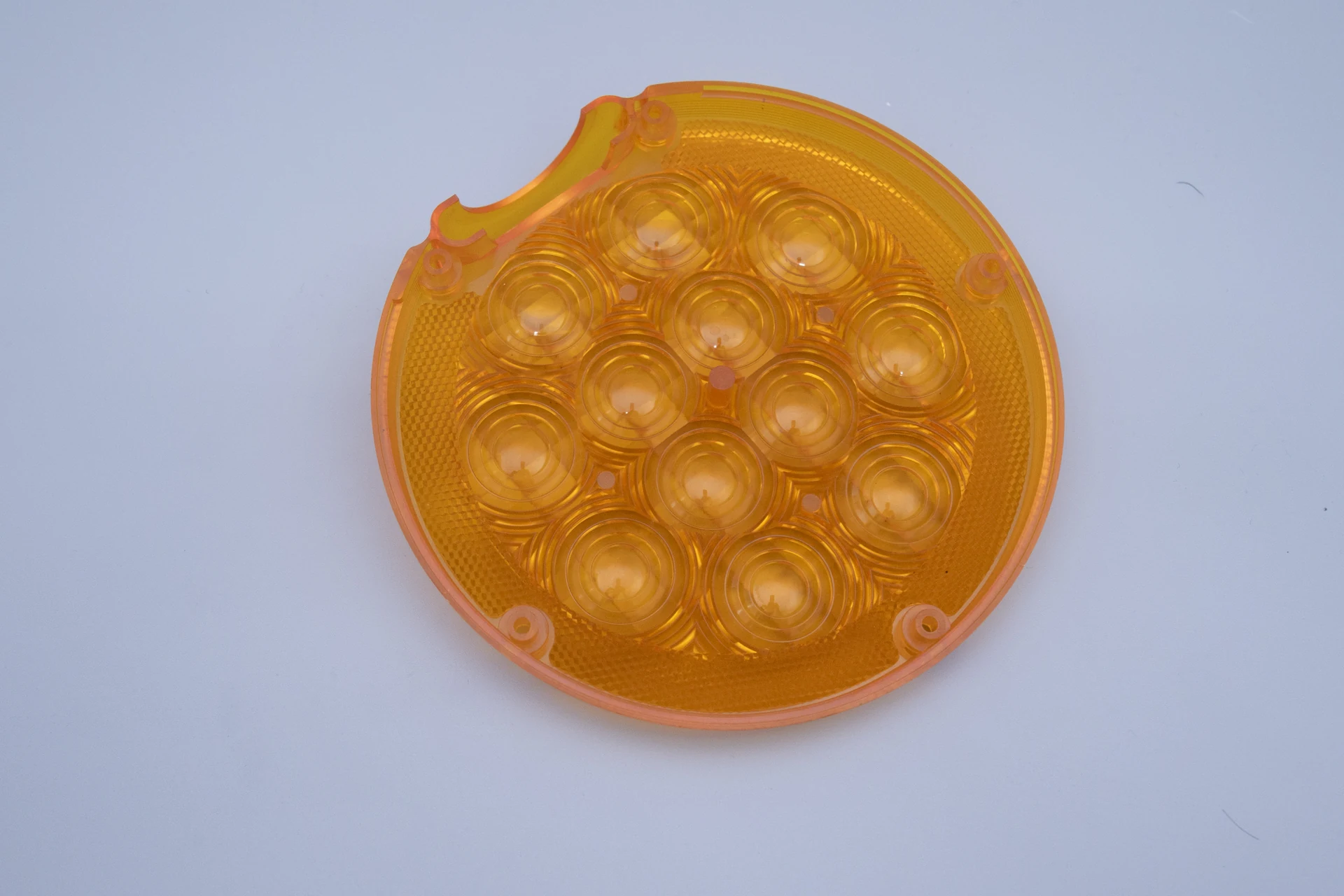
Coloured circular lens components can be developed around the intended LED layout, housing and visibility requirements. Confirm colour consistency, LED alignment and outdoor exposure requirements for the assembled lamp.
Lens or cover geometry is coordinated with the light source and mounting features. Thermal conditions, the required light pattern and surface appearance guide the resin and tool proposal.
Component example: circular LED optic.
Multi-LED lighting assemblies
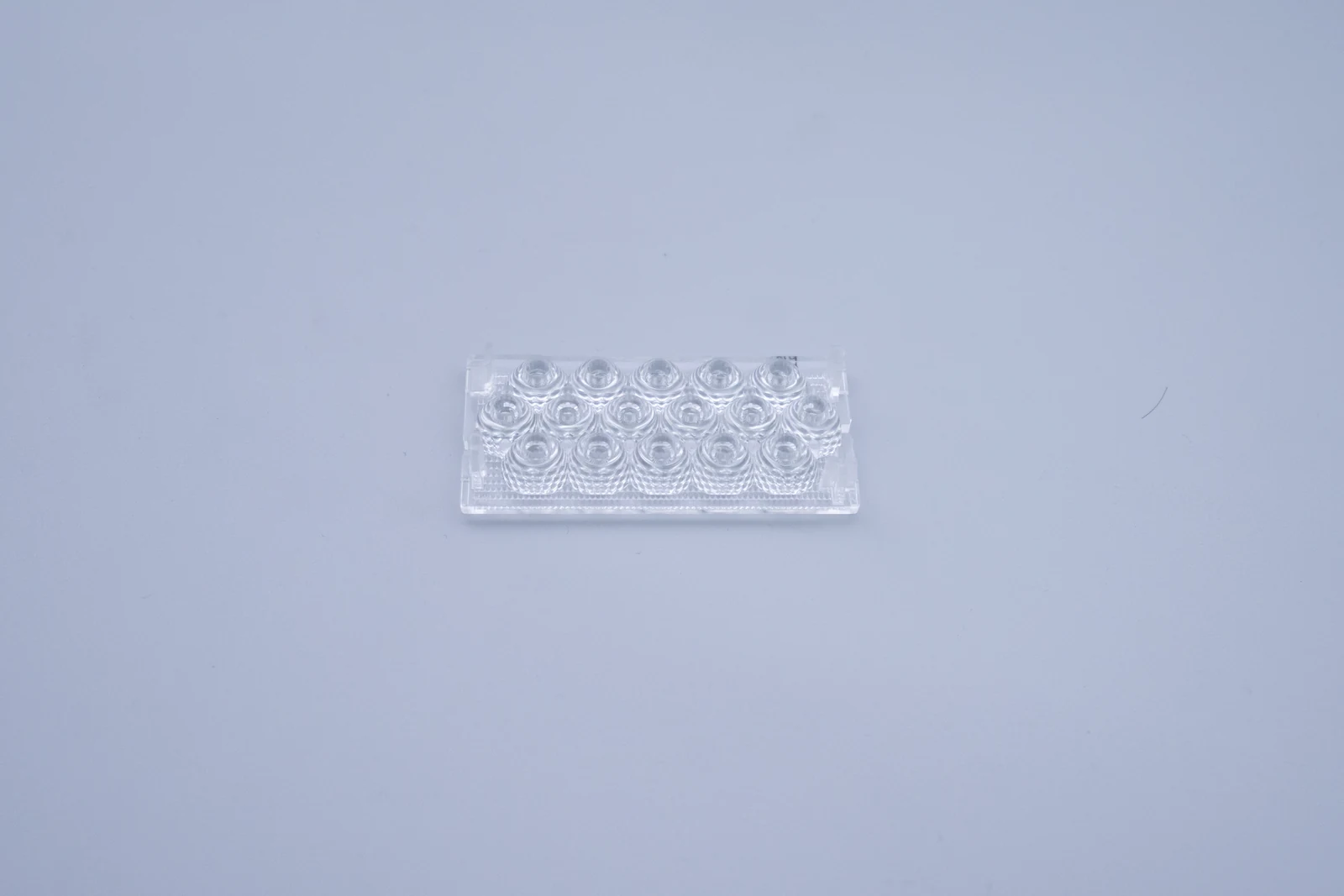
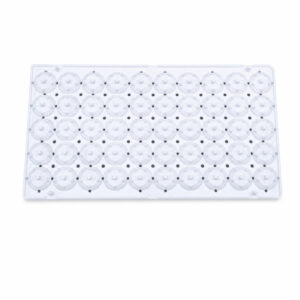
Related lens arrays combine several optical features in one moulded part. Review pitch, optical-feature alignment and mounting datums together with the LED board and housing.
Related example: transparent multi-lens array, not the same circular part model.
OEM PURCHASING QUESTIONS
Planning your first order and future releases
What is needed to set up repeat part supply?
Start with approved CAD and drawings, the resin and colour specification, critical acceptance requirements, expected annual demand and the likely quantity per release. Agree trial approval, inspection records, packing and the delivery plan before production orders are released.
Can an annual requirement be delivered in smaller batches?
Share the expected demand and release schedule for review. Confirm the minimum batch, procurement commitments, delivery lead time and any stock-holding requirements in the quotation or supply arrangement.
What happens if the material or part design changes?
Identify the requested revision and review its effect on the tool, process, inspection, price and schedule. Agree customer approval and any new validation before producing the affected batch.
Are light transmission and beam angle guaranteed by the material choice?
No. A resin data sheet describes a material under stated test conditions. The moulded part and assembled lighting module need their own agreed acceptance criteria and validation.
Is one tolerance applied to every optical and mounting feature?
No. Optical profiles, locating dimensions and non-critical features serve different functions. Specify critical features and measurement methods so that the tool and inspection plan reflect the actual assembly.
Which quality documents can be included with deliveries?
Specify the required dimensional reports, material declarations, certificates and lot-identification information at quotation. Confirm availability, test scope and any additional cost for the project rather than assuming every document is standard.
DISCUSS OEM PART SUPPLY
Share your drawing and annual part requirement
Include the part revision, resin, critical features, annual demand, quantity per release and required delivery dates. Add your inspection and packing requirements so the quotation covers the ongoing supply scope.

 English
 Español
 Português
 Русский
 العربية
 Français
 Deutsch
 中文
 日本語
 한국어