English
 Español
 Português
 Русский
 العربية
 Français
 Deutsch
 中文
 日本語
 한국어


Contact Lens Blister Trays and Packaging Components
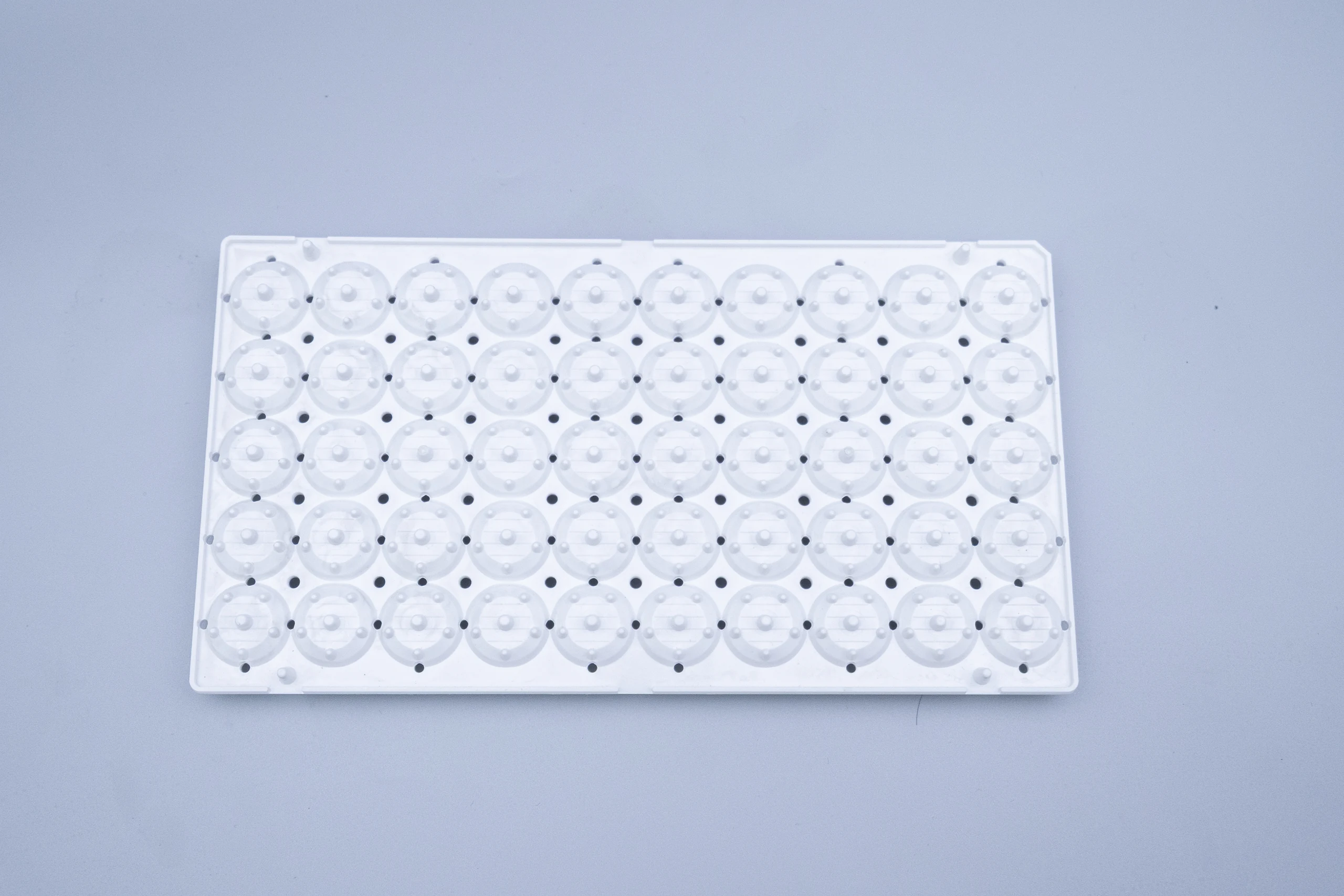
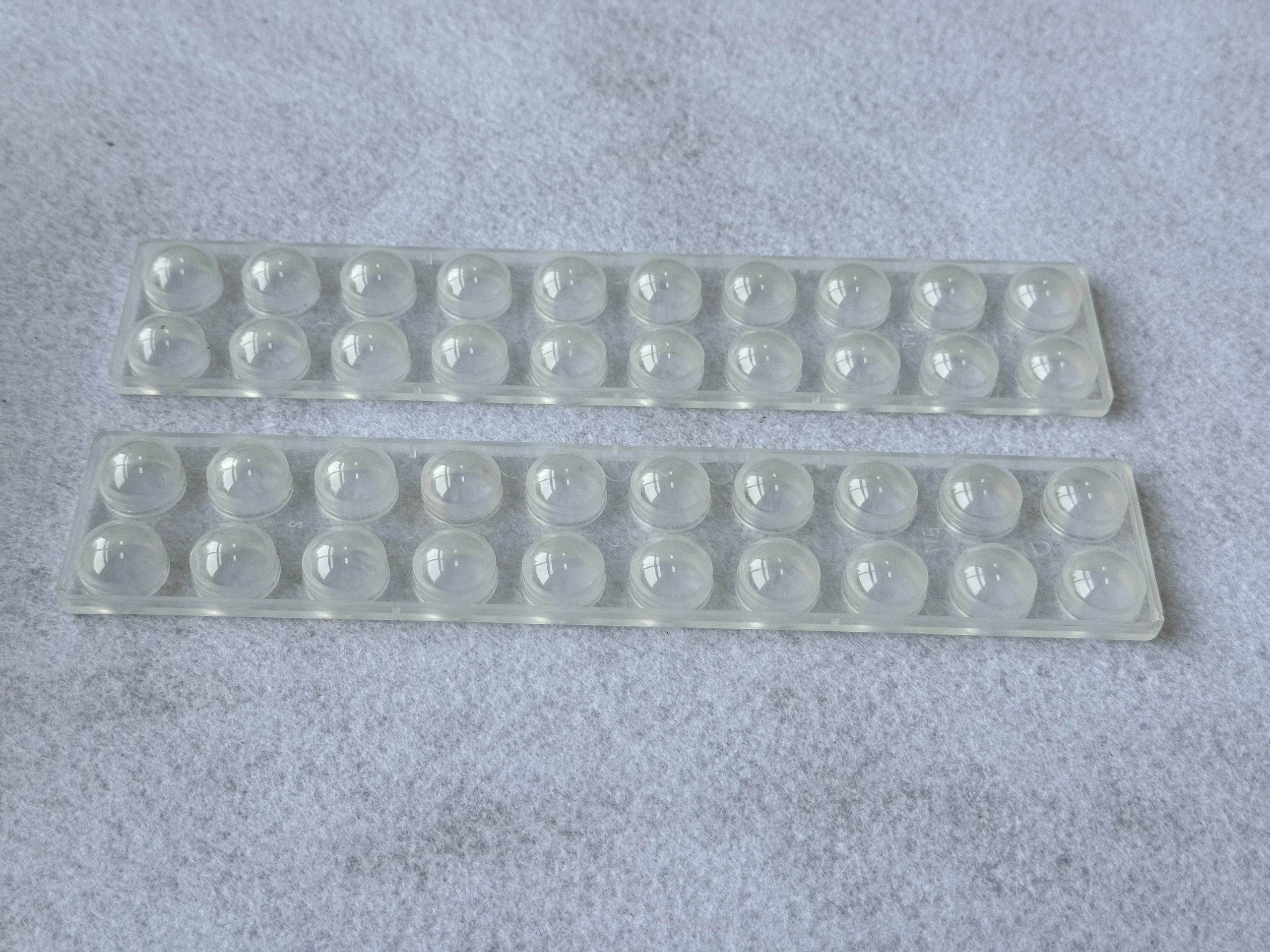
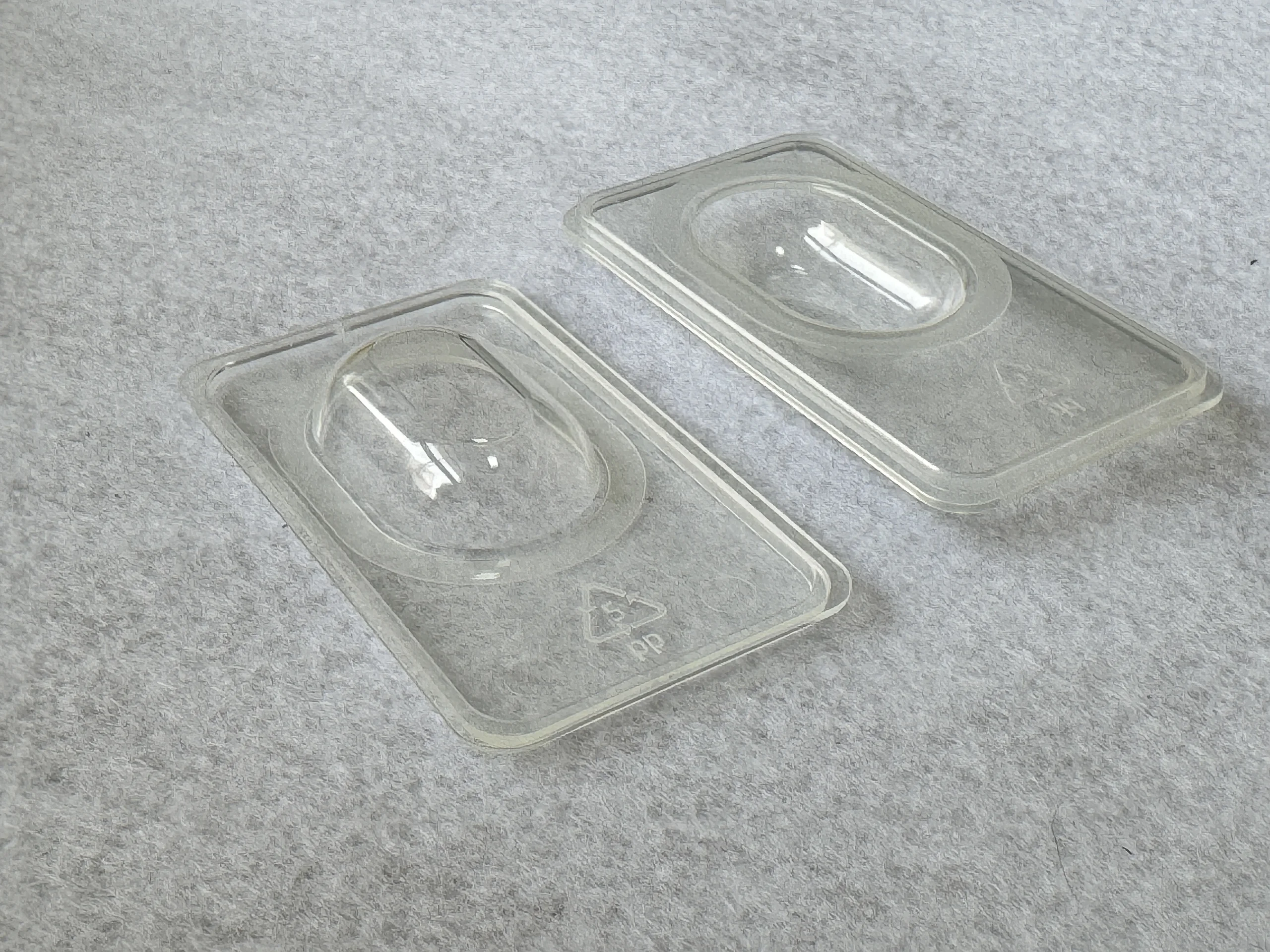
For contact-lens blister packs, molded trays and sealed packaging formats, JingZhan manufactures coordinated plastic parts built around the customer’s assembly and performance requirements. The molding plan is developed around consistent blister cavity depth and flange width, flat sealing lands and clean edges, and repeatable lens positioning during filling and packaging. Resin selection, gate location, parting lines and inspection points are matched to the mating parts, operating environment and expected production volume.
Product Overview
JingZhan supports custom plastic trays, blister-format components and coordinated packaging parts for contact-lens manufacturing. The review starts with the pocket, flange and handling interfaces, then connects them to tooling and repeat supply. The forming route and complete packaging requirements are confirmed for the customer's design rather than inferred from the sample shape. DESIGN AND MANUFACTURING Specify the intended lens support, liquid space and sealing area. Review flange flatness, edge quality and permitted gate or trim locations with the mating lid and customer's filling process. Provide nest, gripper and conveyor interfaces where relevant. Agree orientation, stacking or de-nesting requirements, and confirm whether connected trays or individual components are needed. Assess the selected grade against filling conditions, seal compatibility and the intended processing temperature. Confirm whether the design calls for injection moulding or another forming route before the tooling proposal. Define visual defects, dimensions and packing protection. Where leak or seal checks are required, agree the test conditions for the assembled package rather than treating the tray alone as a validated barrier. TECHNICAL SPECIFICATIONS PRODUCTION AND REPEAT SUPPLY For injection-moulded designs, the proposed route uses CNC/EDM toolmaking and a press selected for the projected area, cavity count and resin. The company equipment list provides CNC, EDM, moulding and dimensional-inspection options. Filling, lidding and sterilization operations are separate scopes unless expressly included in the quotation. Approve the component revision, resin, packing method and handling sample before regular supply. Define startup checks for pocket dimensions and sealing interfaces. Where supplied in sets, maintain agreed component identification so the tray, lid interface and line fixtures stay on the same revision. Tooling investment is quoted separately from the piece price. Share annual demand and release quantities so cavity count, procurement and batch cost can be reviewed together. RELATED APPLICATIONS Primary-packaging component development for customer-designed contact-lens packages. Multi-pocket carriers supporting filling, inspection and transfer operations. Related blister and tray formats used in coordinated packaging assemblies. A pictured blister is not evidence of a validated sterile package. Seal performance, shelf life and final-product compliance require the customer's specified materials, assembled system and validation plan. Discuss your drawing and supply requirements. Send CAD, resin preference, critical features, annual demand and release quantity. Contact our engineering team →Trays and packaging components designed around your filling line
Key processing requirements
Define the pocket and flange together
Review line handling
Specify the resin and process route
Set a practical acceptance plan
Parameters agreed for your part
Parameter
Project specification
Component scope
Blister-format parts, multi-pocket trays, carriers and related packaging components.
Material options
Customer-approved PP, PS or another reviewed packaging resin and grade.
Pocket geometry
Custom footprint, depth, support profile and layout from approved drawings.
Sealing interface
Flange width, flatness and lid compatibility defined with the customer's packaging process.
Line interfaces
Stacking, separation, nesting and handling features to agreed equipment data.
Manufacturing route
Injection moulding or other specified forming route confirmed during DFM review.
Inspection criteria
Drawing dimensions, appearance limits and agreed assembly-test scope.
Packing and identification
Protection against rubbing or distortion, part revision and lot information.
Equipment, lead time and order planning
Planning item
Basis for quotation
DFM review
Indicative 3–5 working days after complete drawings and requirements.
New tooling
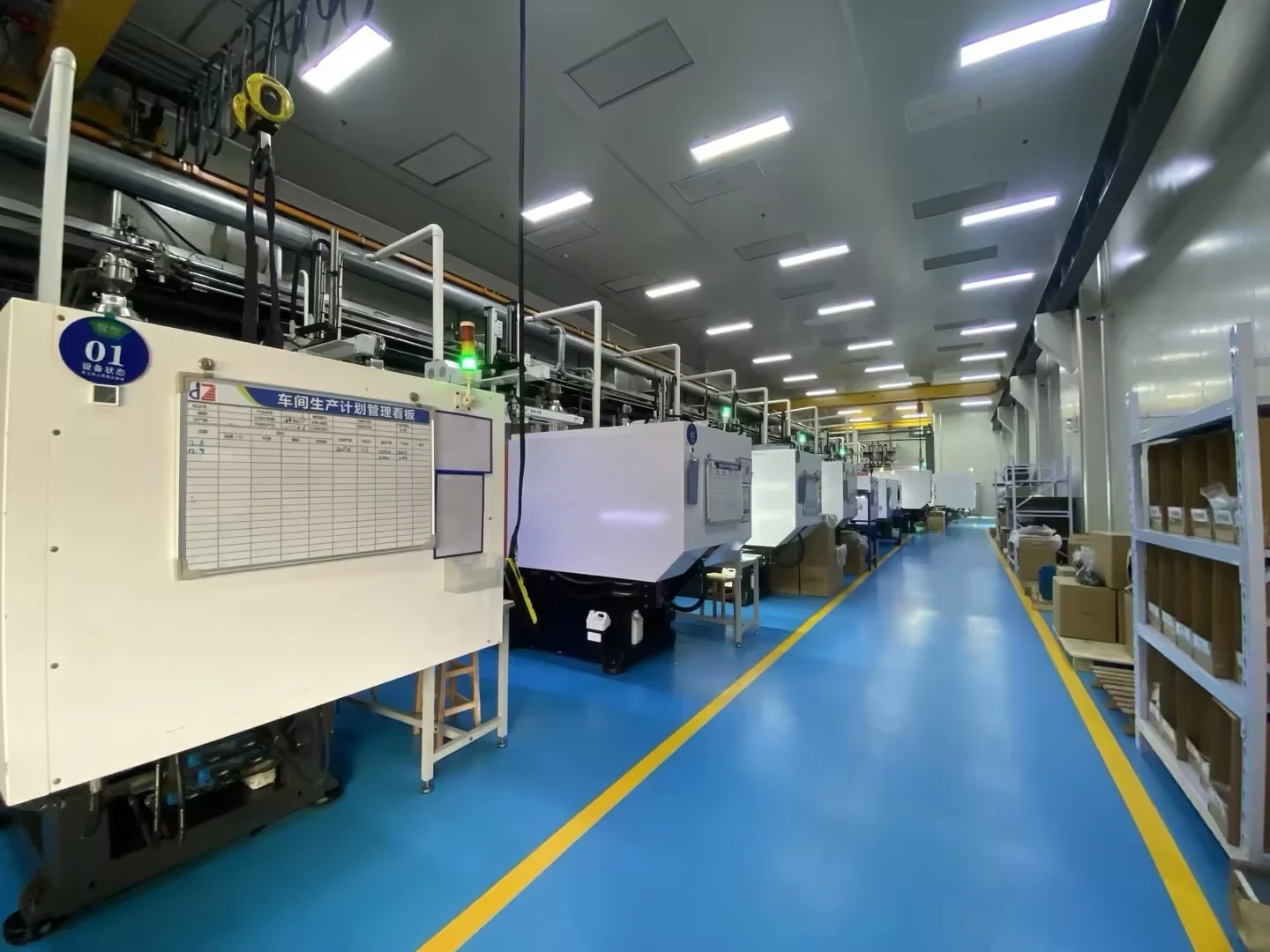
Indicative 4–6 weeks to first mould trial after tool-design approval and commercial release; corrections and customer validation are additional.
Order quantities
Initial quotation-planning basis: a 500-piece pilot or 1,000-piece repeat batch per part number, resin and colour, subject to project quotation.
Repeat orders
Indicative 10–15 working days after materials and the production slot are confirmed. Customer qualification, special processing and transit are additional.
Keep repeat orders on an approved baseline
Where these components can be used
Technical Specifications
| Process | Custom precision plastic injection molding |
|---|---|
| Product Group | Contact Lens Blister Trays and Packaging Components |
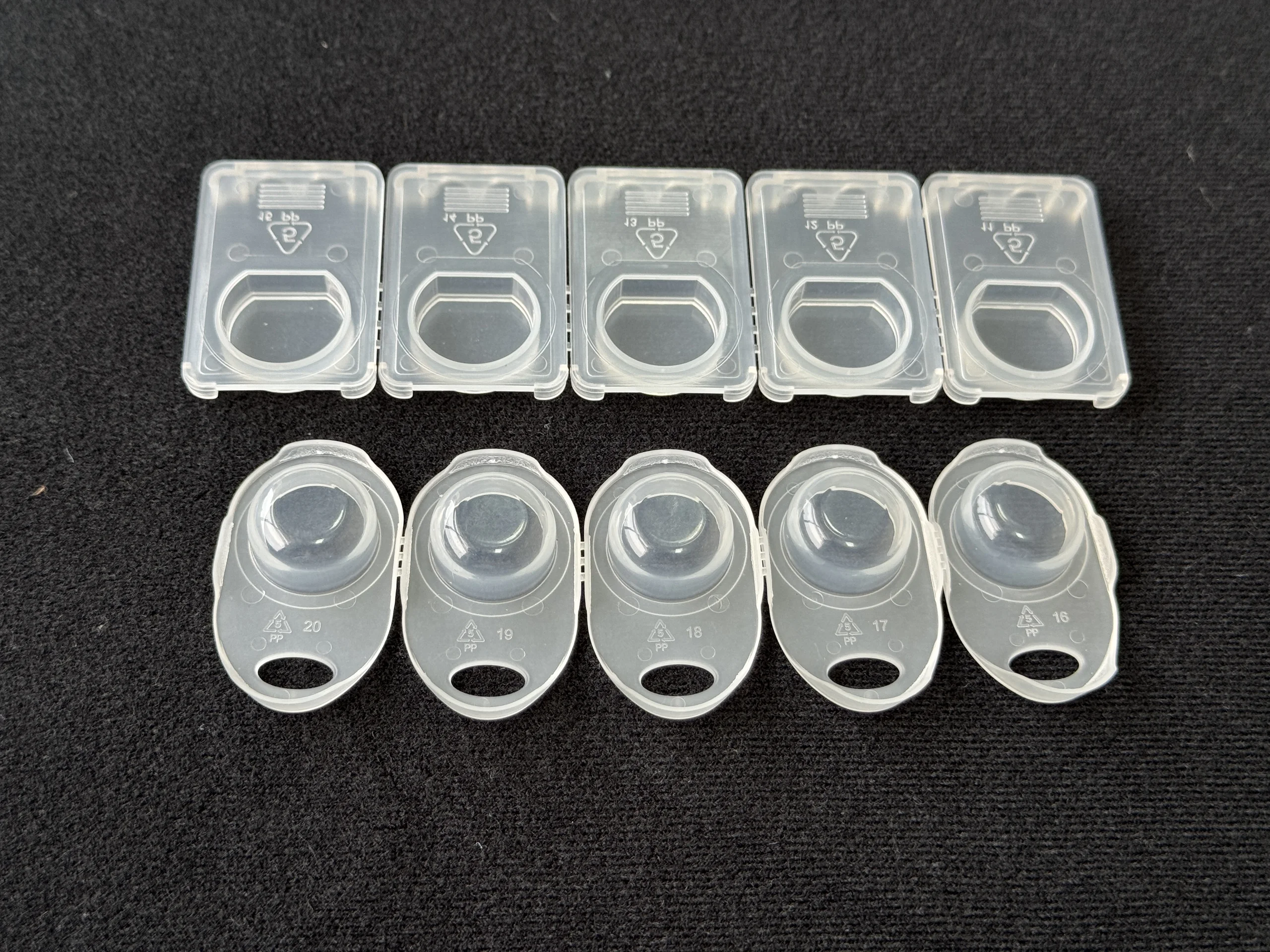
| Typical Applications | contact-lens blister packs, molded trays and sealed packaging formats |
| Material Options | customer-specified transparent, packaging or engineering resins selected for lens handling, sealing and release requirements |
| Engineering Focus | consistent blister cavity depth and flange width, flat sealing lands and clean edges, and repeatable lens positioning during filling and packaging |
| Project Support | DFM review, mold design, mold trials, assembly validation and repeat production |
| Customization | Geometry, color, texture, resin, inserts and packaging can be developed to project requirements |
Recommended Products
Explore our high-precision injection moulded components trusted by industry leaders worldwide.