
 English
 Español
 Português
 Русский
 العربية
 Français
 Deutsch
 中文
中文 日本語
日本語 한국어
한국어Plastic Filter Frames Designed for Mesh Integration
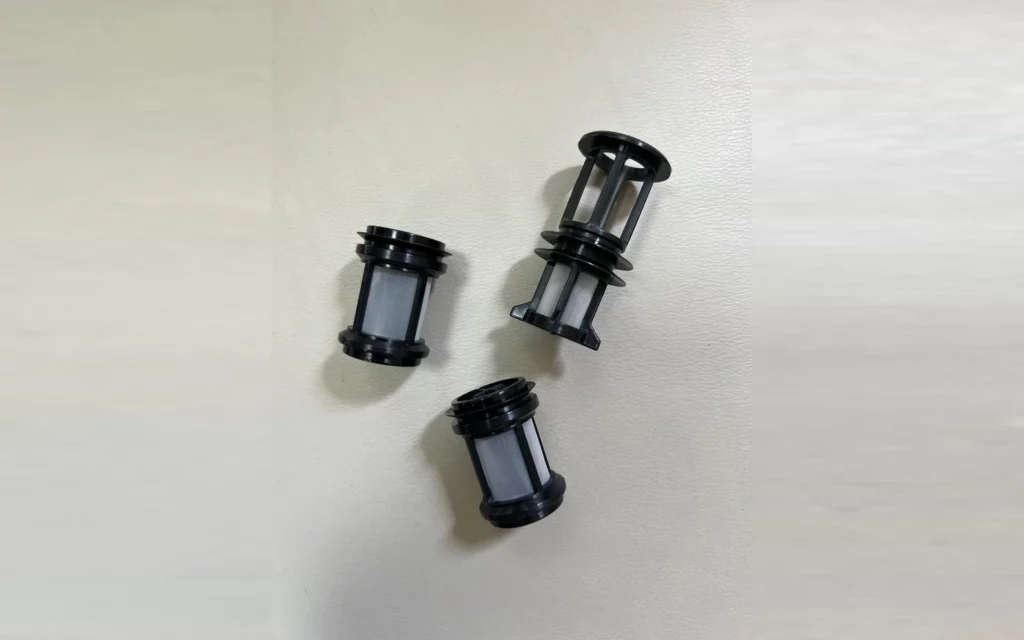
Sample-Based Manufacturing Review
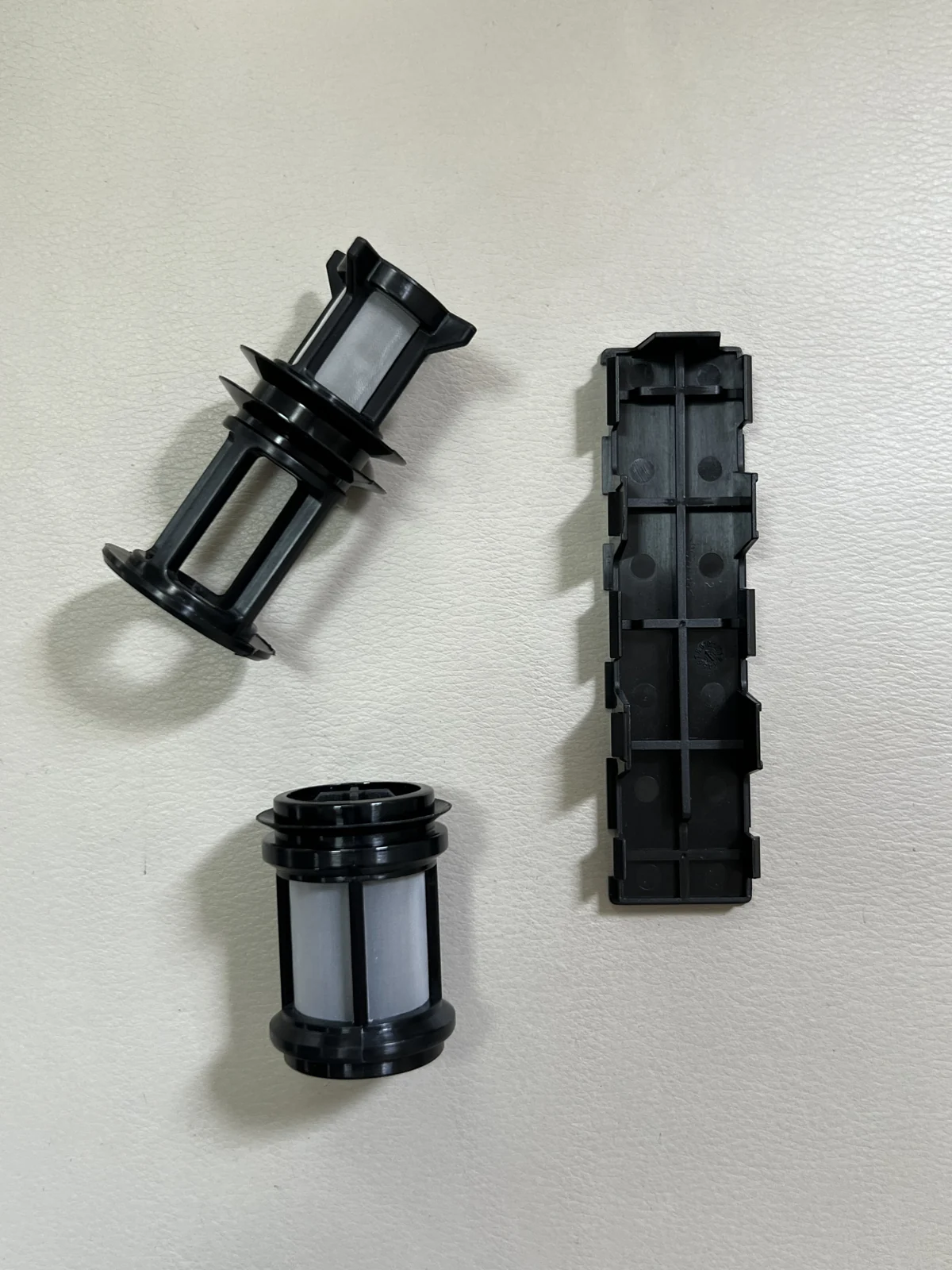
A filter element is an interface between a filtering medium and the surrounding assembly. JingZhan’s sample photographs show cylindrical mesh elements supported by plastic ends and ribs, alongside a rectangular frame configuration. These structures make the frame-to-mesh junction and the mounting features important subjects for a manufacturing review.
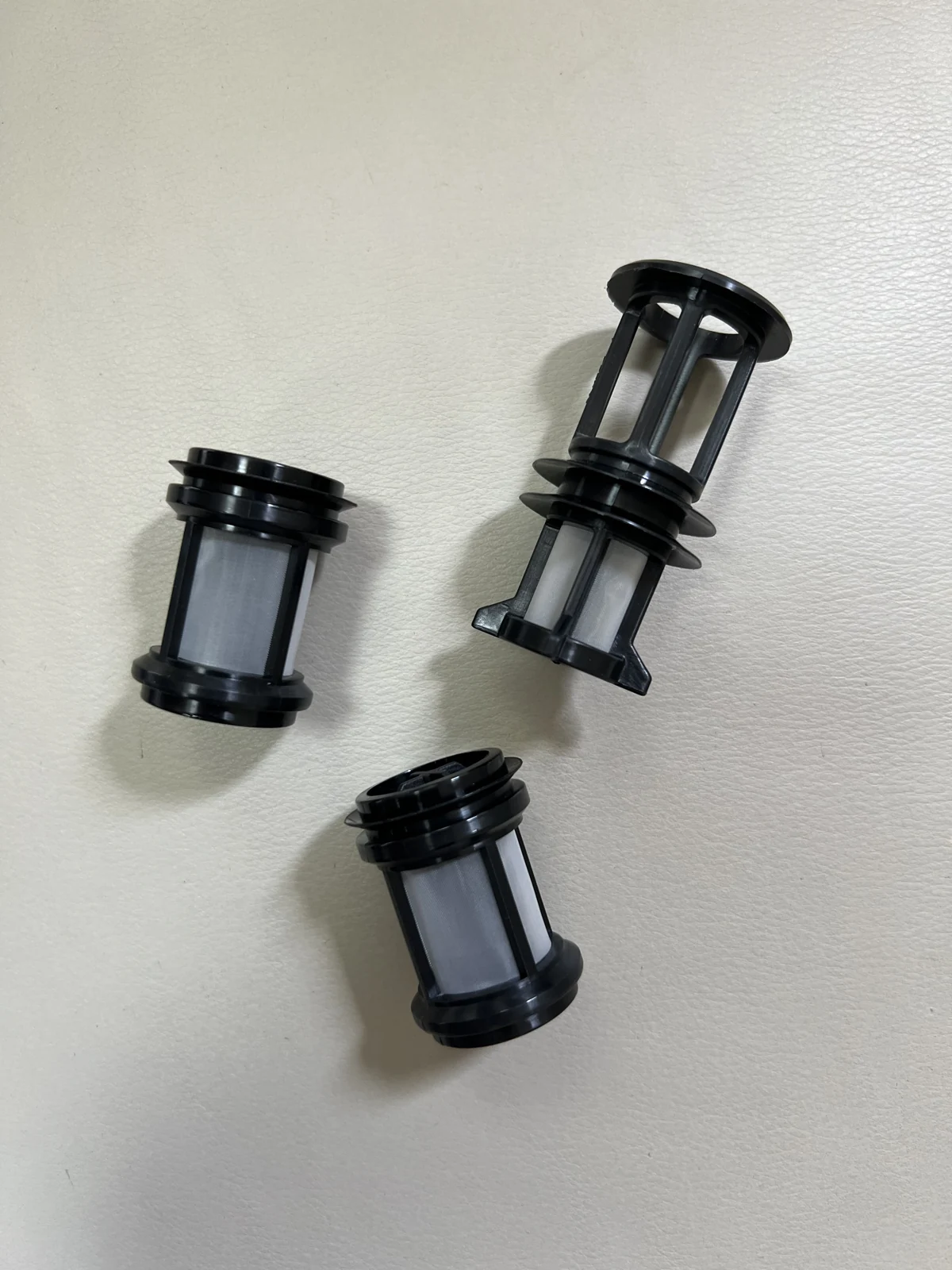
Define the mesh boundary before choosing a process
The photographs show the relationship between the open filtering area, supporting ribs and end features. The first review should establish which regions are intended to remain open and where the mesh is retained. It should also distinguish the locating surface from any sealing surface required by the complete assembly.
The photos do not establish whether a particular sample was insert moulded or assembled after moulding. That route should be selected from the drawing, mesh specification and required joint design. If insert moulding is proposed, insert positioning and protection of the exposed mesh are part of the tooling review.
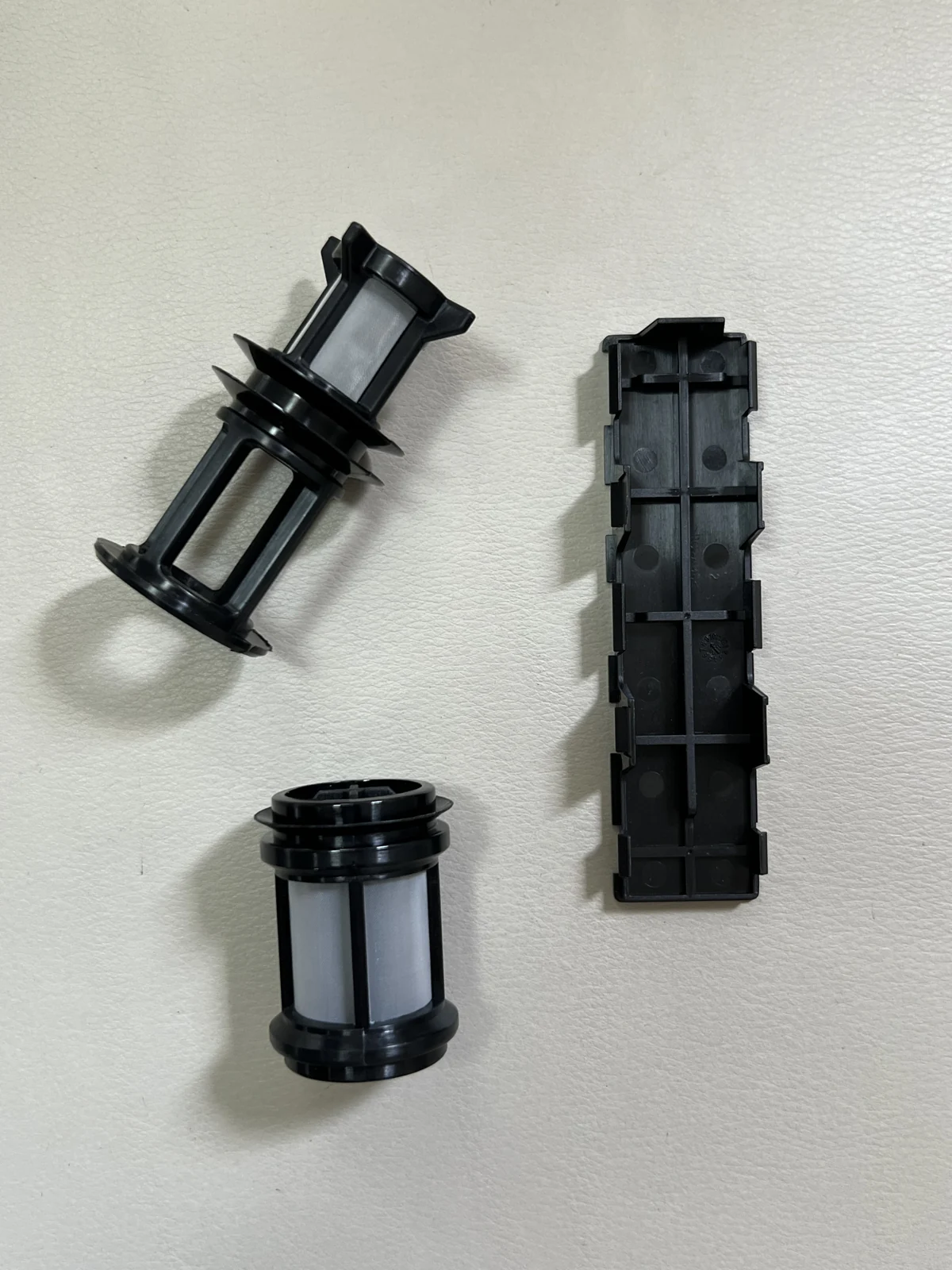
Check frame geometry without assuming filtration performance
A cylindrical element needs to fit its housing, while the plastic ribs must remain clear of any defined flow area. End diameters, shoulders and engagement details should therefore be checked with the intended counterpart rather than judged only from the appearance of a loose sample.
Mesh aperture, material and open area must come from a specification. A clear photograph cannot establish filtration rating, pressure drop or resistance to a process fluid. Those requirements need agreed test conditions, including the medium, operating temperature and allowable pressure where relevant.
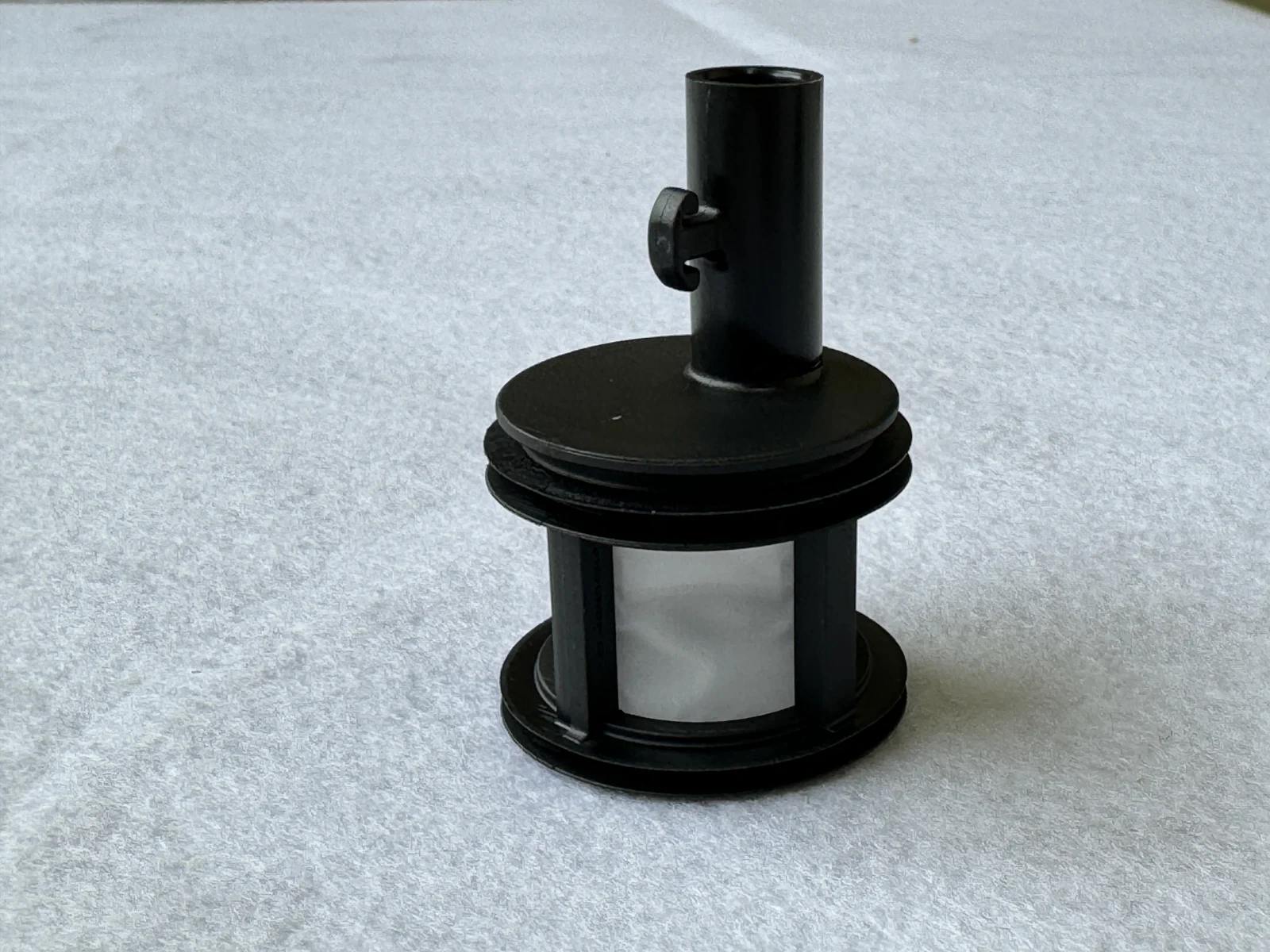
Make the joining region part of sample approval
The individual frame photograph exposes the supporting geometry more clearly than an assembled group. This is a useful inspection view because local flash, incomplete retention or damaged mesh may be less obvious after the element is fitted into its housing.
A trial review can include visual checks of mesh coverage, dimensions of the mounting ends and an assembly check in a reference housing. Retention, leak or pressure testing should only be added when relevant to the design and should be carried out against a defined method. Passing results cannot be inferred from these sample photographs.
Suggested sample approval checks
| Review area | What to agree before production |
|---|---|
| Mounting ends | Measure the locating diameters and shoulders specified on the drawing. |
| Mesh condition | Check visible damage, displacement and unwanted coverage. |
| Joining region | Review retention and flash against the approved sample. |
| Functional validation | Use specified flow, retention or pressure tests when required. |
Planning a comparable part
A useful enquiry includes the mesh material and aperture, filter-frame drawing, mating housing, service fluid and target quantity. The frame manufacturing route and the product test plan can then be reviewed together without substituting appearance for filtration data.
Explore related moulded components →
Technical background: Manufacturer and moulding-design guidance. General guidance is not a test report for the photographed samples.
Discuss your part and assembly requirements
Share your 2D/3D drawings, material requirements and expected production volume for a project review.
Let’s Build Precision Moulds Together
Upload your CAD files or share your product specifications. Our engineering team will respond with a detailed quotation within 24 hours.