English
 Español
 Português
 Русский
 العربية
 Français
 Deutsch
 中文
 日本語
 한국어


Protective Optical Goggles and Lens Housings
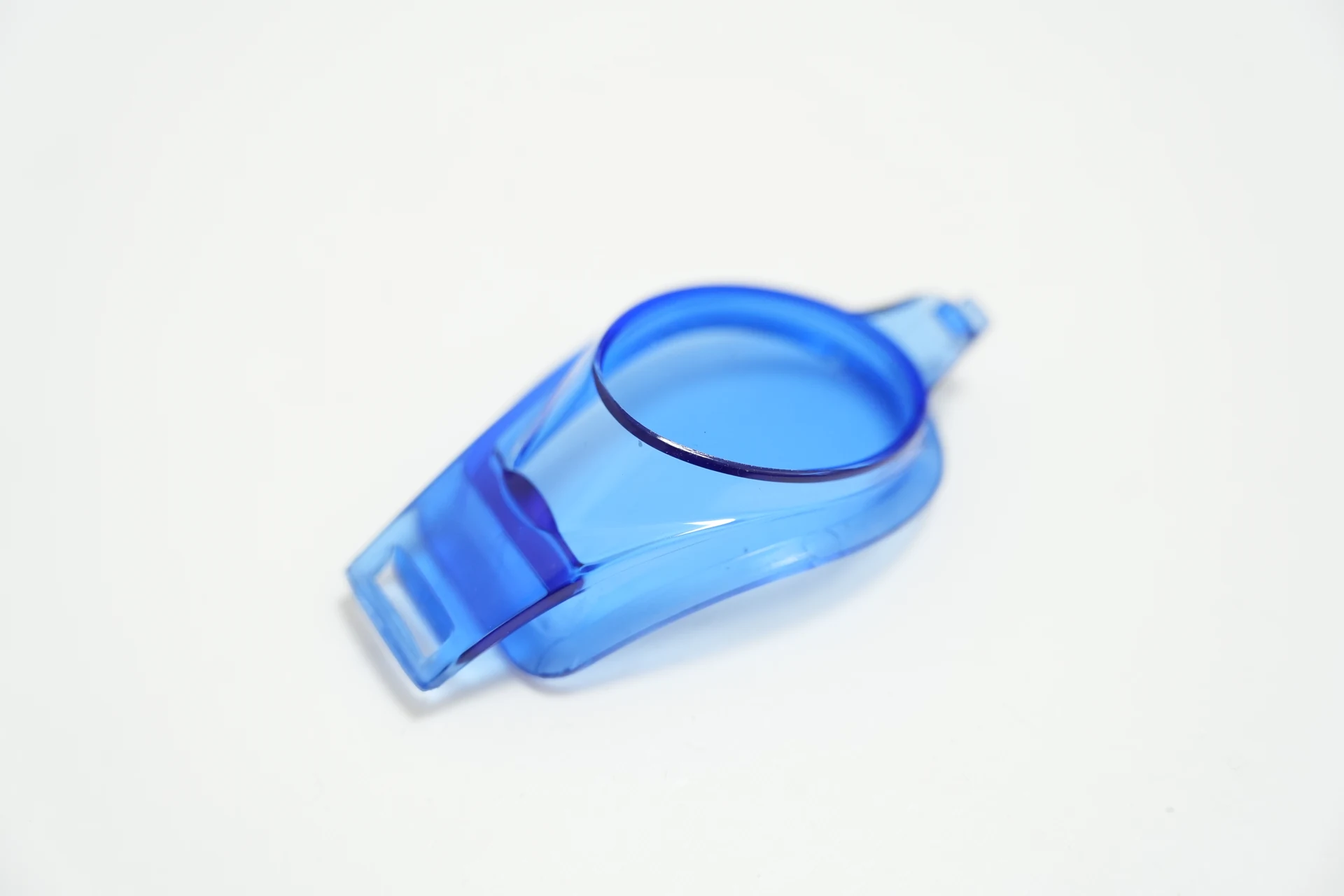
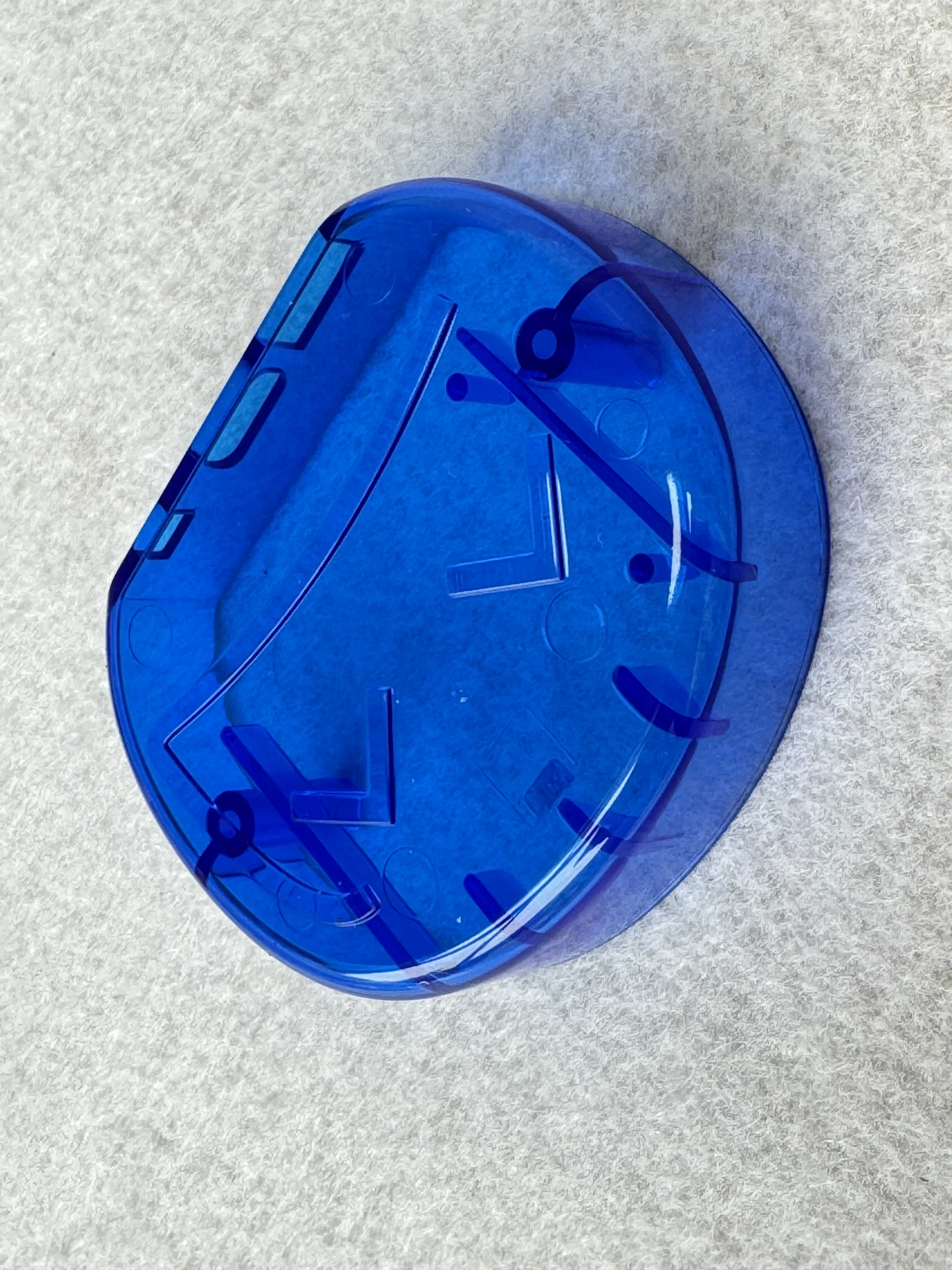
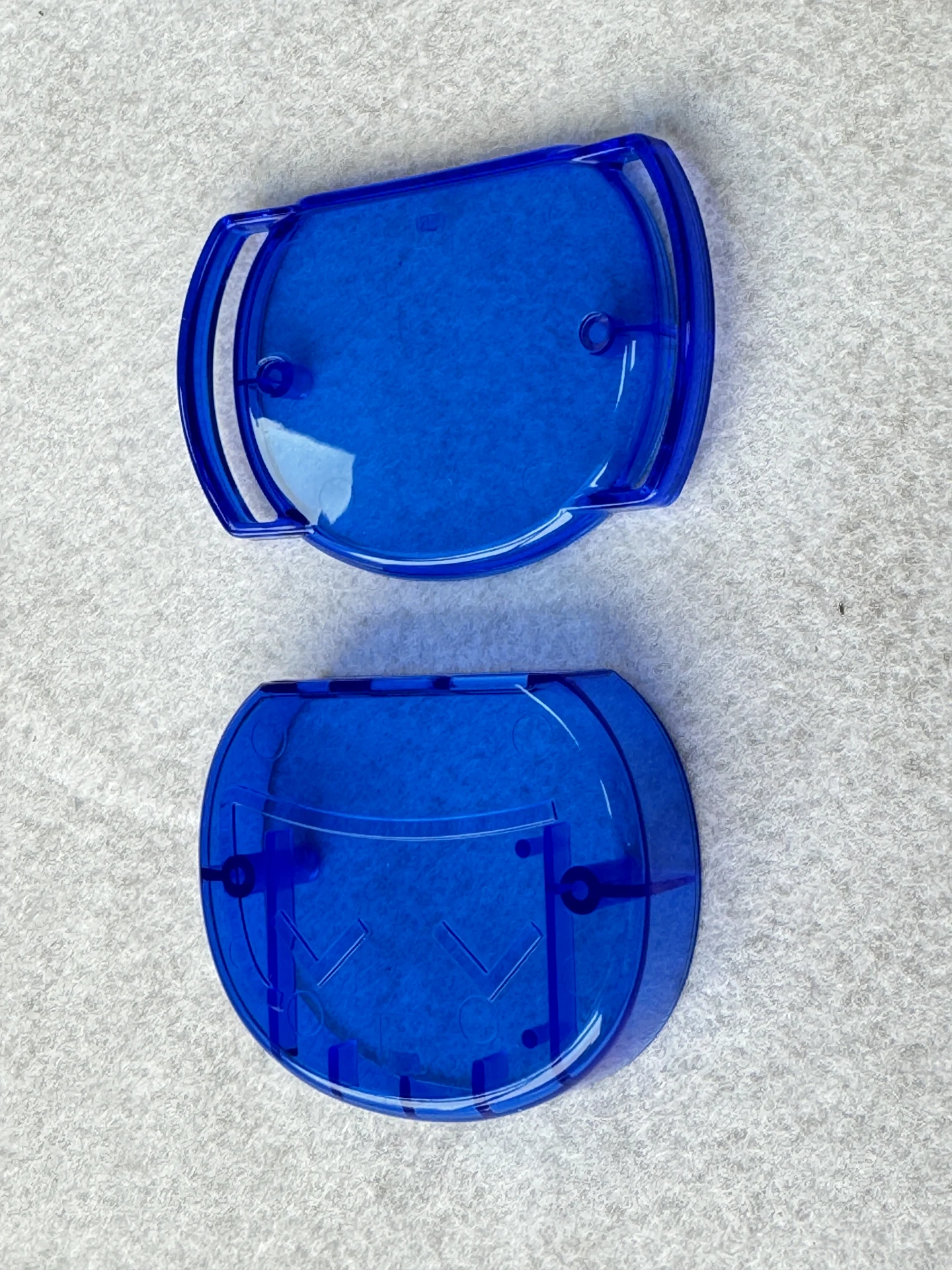
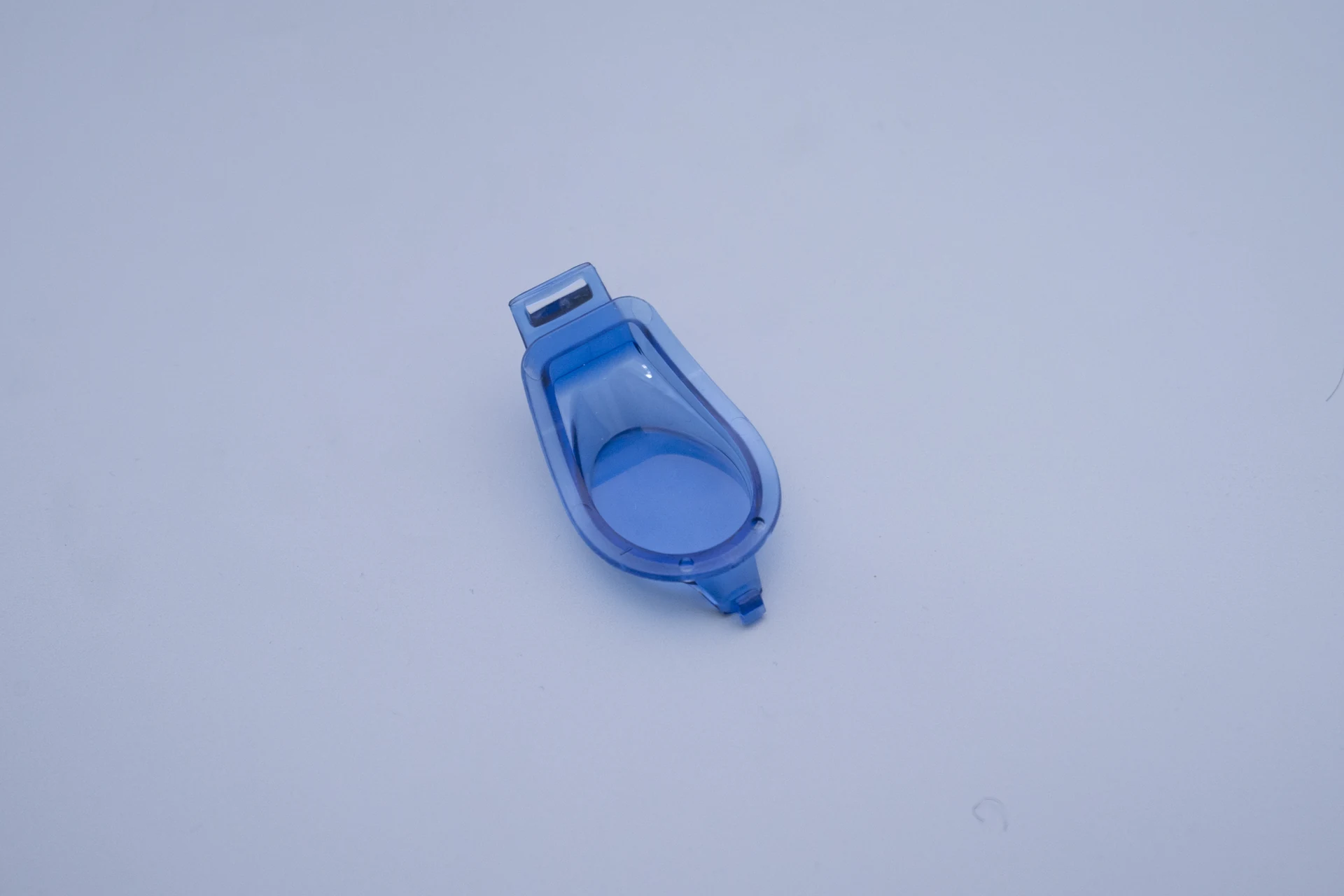
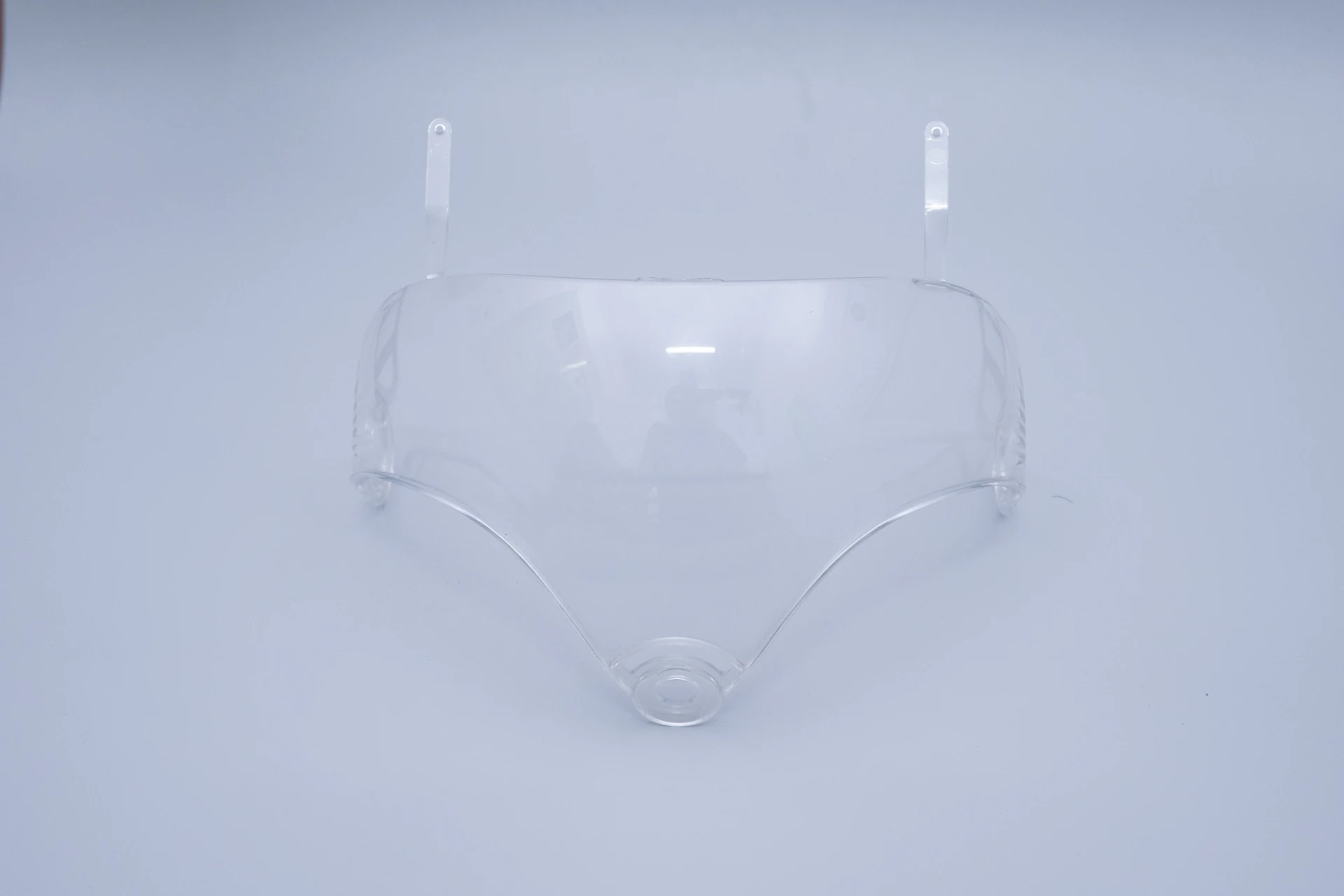
These protective optical goggles and lens housings are engineered for protective eyewear, swimming goggles, transparent shields and lens-retention frames, from early DFM review through repeat production. The molding plan is developed around clear viewing areas and smooth lens edges, comfortable curved fit and frame retention, and impact-resistant housings with stable lens alignment. Resin selection, gate location, parting lines and inspection points are matched to the mating parts, operating environment and expected production volume.
Product Overview
JingZhan manufactures custom moulded lens housings, coloured optical frames and related transparent protective components. The focus is on repeatable geometry, defined visual surfaces and reliable assembly interfaces. These are component-manufacturing examples, not claims of certification for a completed protective device. DESIGN AND MANUFACTURING TECHNICAL SPECIFICATIONS PRODUCTION AND REPEAT SUPPLY Tool development can draw on JingZhan's listed CNC and EDM equipment, surface-finishing resources and injection-moulding machines. The press is selected for the tool area, cavities, shot size and resin. CMM, vision-measurement and microscope checks are assigned to suitable dimensions or visible features; any protective-performance testing is scoped separately. Approve the drawing revision, resin grade, colour and assembly samples before repeat orders. The control plan should cover critical fit dimensions, visible surfaces and shipment lot identification. Agree separated protective packing and review material or tool changes before producing the next affected batch. Tooling investment is quoted separately from the piece price. Share annual demand and the quantity per release so cavity count, material procurement and batch cost can be reviewed together. RELATED APPLICATIONS Application examples describe potential component uses. No protective rating, medical approval or eyewear certification is implied; validate the finished device to its applicable requirements. Discuss your drawing and supply requirements. Send CAD, resin preference, critical features, annual demand and release quantity. Contact our engineering team →Lens housings shaped around fit and visibility
Key processing requirements
Parameters agreed for your part
Parameter
Project specification
Component type
Custom lens housings, optical frames and related protective transparent mouldings.
Material options
PC or other agreed optical/engineering resin; PMMA considered only where application requirements allow.
Colour and finish
Clear, tinted or coloured options to an approved resin specification and sample.
Size and geometry
Customer CAD, with wall thickness and demoulding features reviewed during DFM.
Critical interfaces
Lens-retaining edge, clips, locating features, fastening and mating surfaces.
Tolerance and appearance
Drawing-specific dimensions plus agreed flash, scratch and moulding-mark limits.
Tooling and supply
Dedicated tooling followed by approved trial parts and repeat production batches.
Validation boundary
Component inspection is defined in the quotation. Finished-device safety and compliance require separate validation.
Equipment, lead time and order planning
Planning item
Basis for quotation
DFM review
Indicative 3–5 working days after complete drawings and requirements.
New tooling
Indicative 4–8 weeks to first mould trial after tool-design approval and commercial release; corrections and customer validation are additional.
Order quantities
Initial planning basis: 500-piece pilot or 1,000-piece repeat batch per part number, resin and colour, subject to quotation.
Repeat orders
Indicative 10–15 working days after materials and the production slot are confirmed, excluding transit.
Keep repeat orders on an approved baseline
Where these components can be used
Technical Specifications
| Process | Custom precision plastic injection molding |
|---|---|
| Product Group | Protective Optical Goggles and Lens Housings |
| Typical Applications | protective eyewear, swimming goggles, transparent shields and lens-retention frames |
| Material Options | PC, PMMA, COP/COC and other optical or engineering resins selected for transmission, impact and dimensional needs |
| Engineering Focus | clear viewing areas and smooth lens edges, comfortable curved fit and frame retention, and impact-resistant housings with stable lens alignment |
| Project Support | DFM review, mold design, mold trials, assembly validation and repeat production |
| Customization | Geometry, color, texture, resin, inserts and packaging can be developed to project requirements |
Recommended Products
Explore our high-precision injection moulded components trusted by industry leaders worldwide.