English
 Español
 Português
 Русский
 العربية
 Français
 Deutsch
 中文
中文 日本語
日本語 한국어
한국어


Endoscope Injection Molded Components
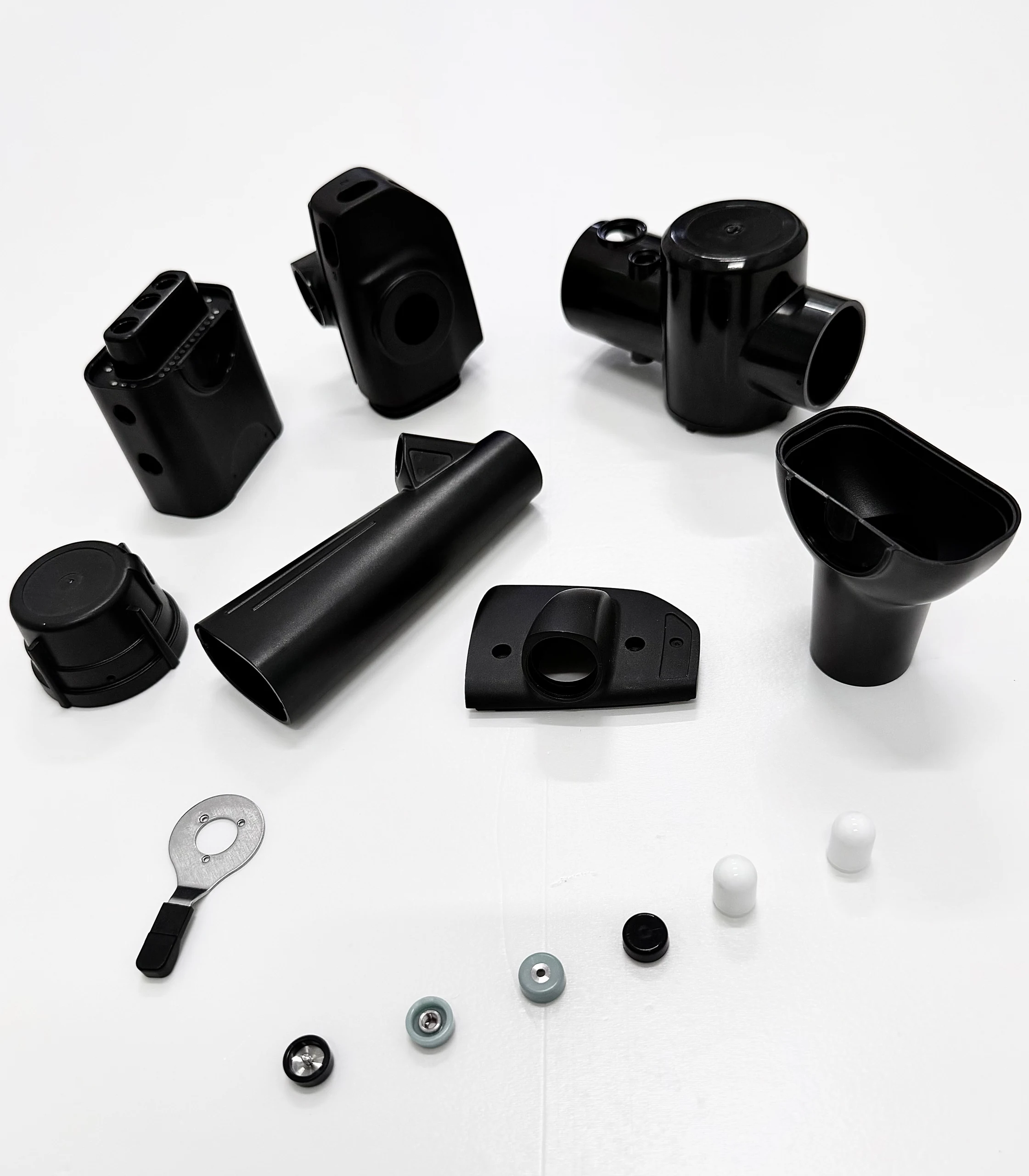
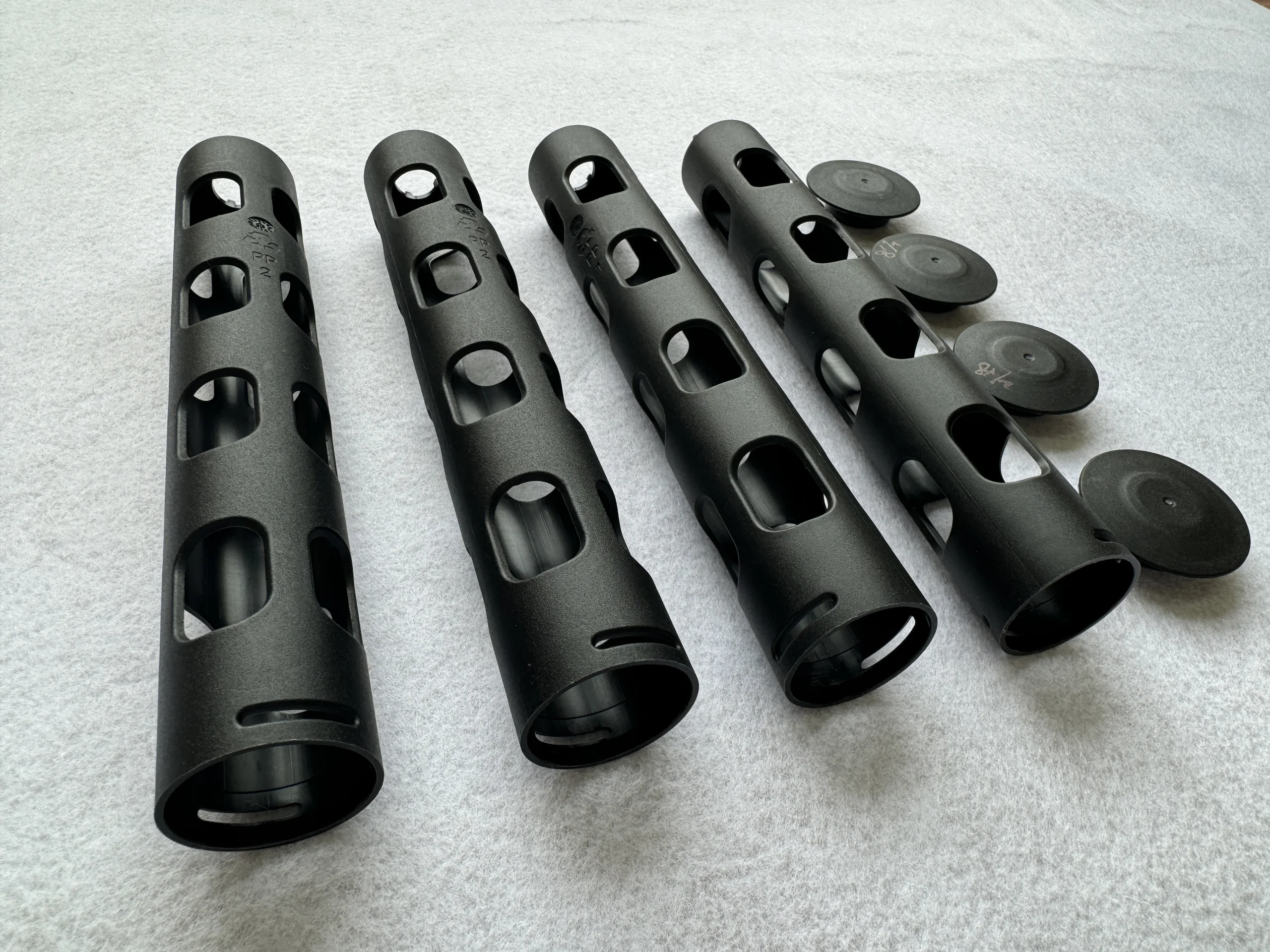
Precision-molded housings, operating handles, waterproof connector parts, panels, brackets and protective components for electronic endoscope assemblies. JingZhan supports DFM, tooling, material selection, prototyping and stable production with attention to ergonomic fit, sealing and repeatable assembly.
Product Overview
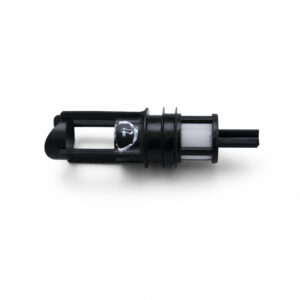
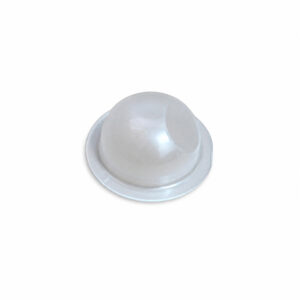
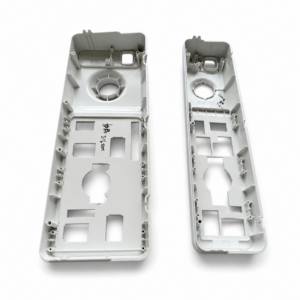
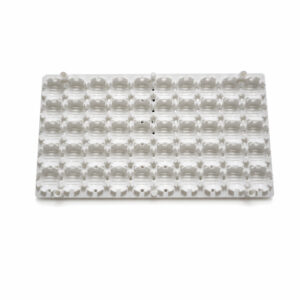
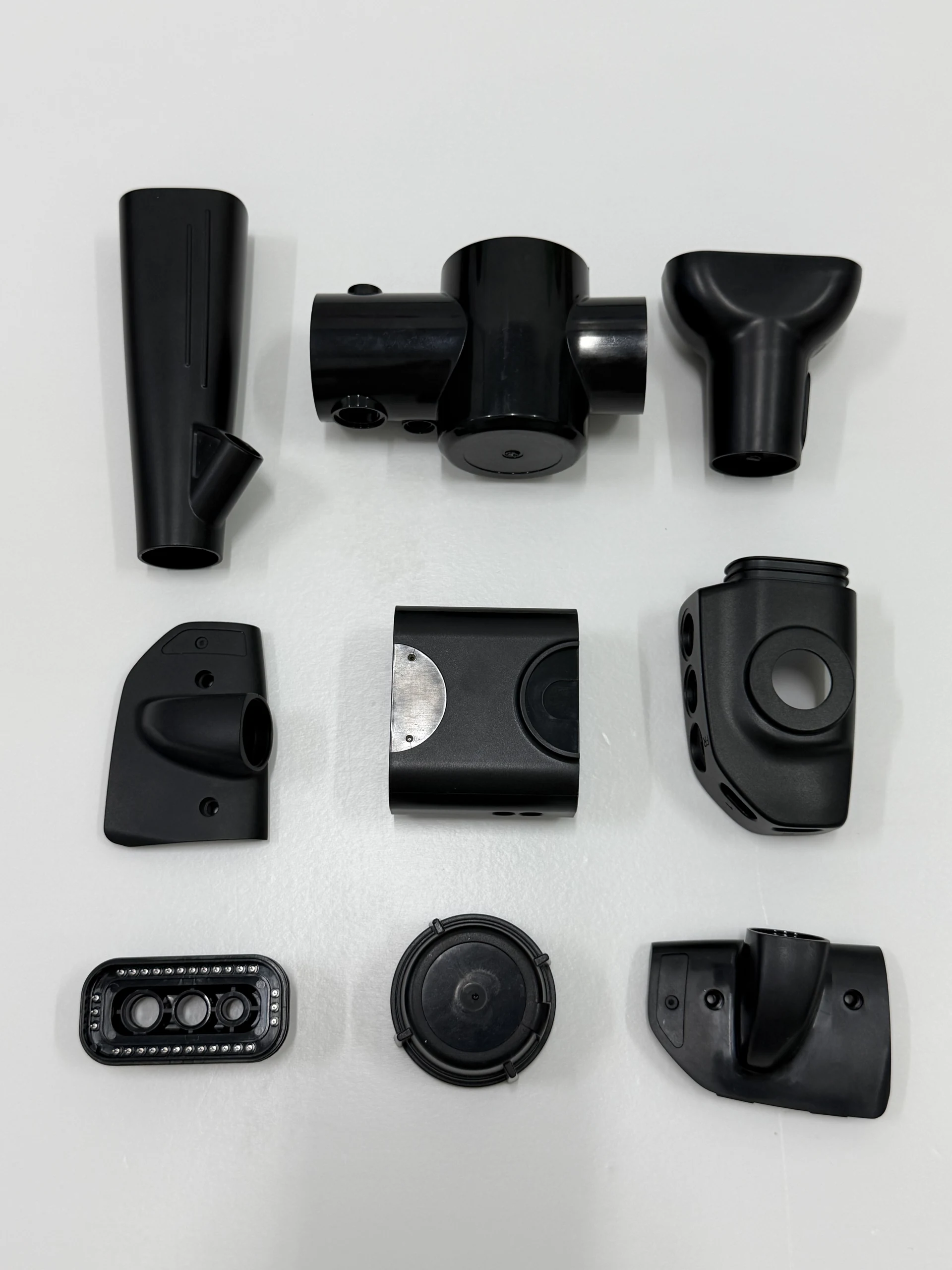
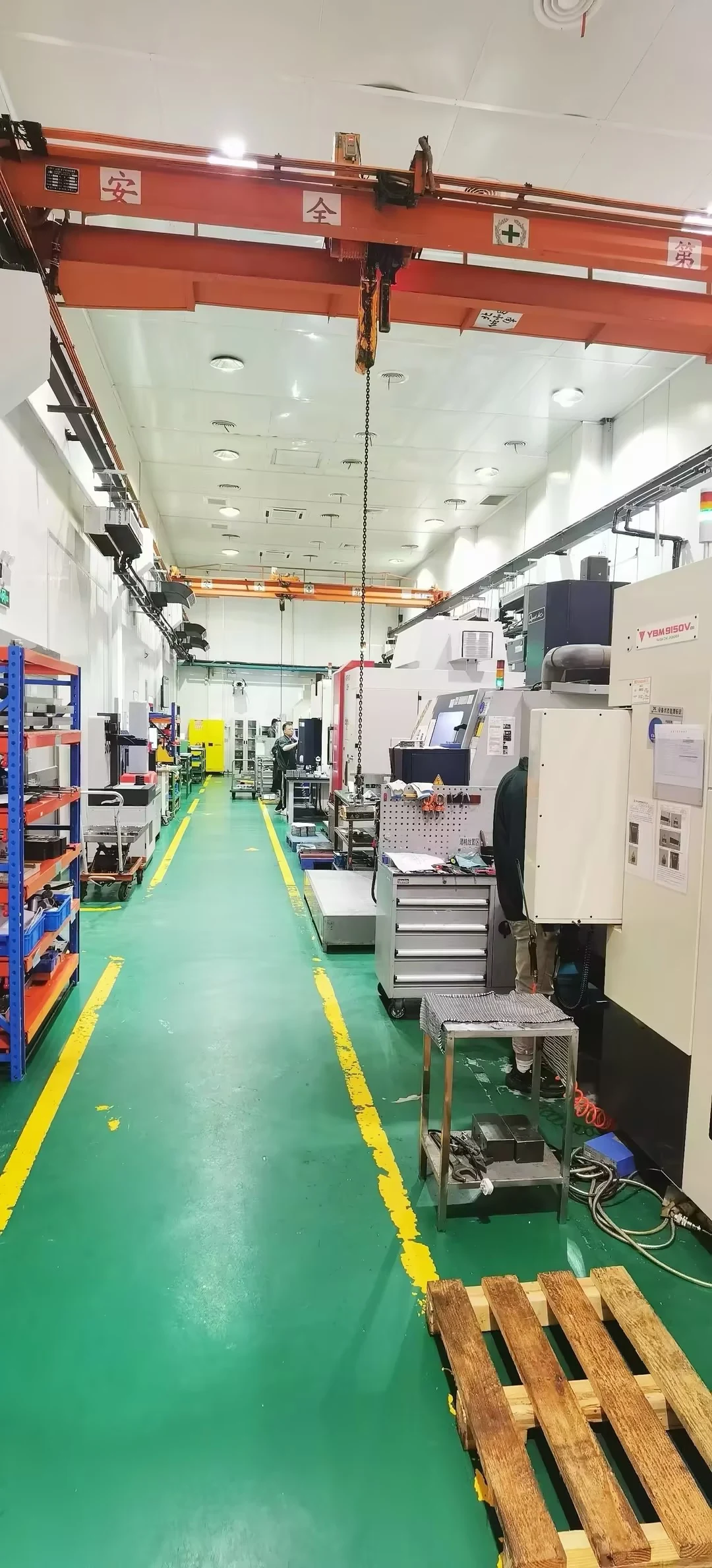
An endoscope assembly can contain several plastic parts with different shapes but shared fit and delivery requirements. JingZhan supports coordinated tooling and repeat moulding for these component families, from handle bodies to covers and small interface parts. Reviewing them together helps identify mating relationships and release priorities. Each part still needs its own approved drawing, material and acceptance criteria. DESIGN AND MANUFACTURING Create a part list showing which components locate, fasten or seal against one another. Identify datum relationships, fit stacks and assembly sequence. Resolve conflicting requirements before individual cavity designs are released, particularly where several parts share a critical interface. A visible housing, internal support and small moving component may require different resin grades. Define strength, stiffness, appearance and chemical exposure for each. Do not substitute a convenient common material across the family without checking the effect on fit and service requirements. Track CAD, tool inserts and trial samples by part number and revision. Plan gates, cooling, ejection and cosmetic zones for each geometry. Coordinated trial reviews should identify whether an assembly issue belongs to one part or to the combined dimensional stack. Separate dimensional inspection from functional or medical qualification. Specify gauges, sampling, cleanliness and packaging requirements. If the customer needs assembled sets, agree the bill of materials, assembly work and test responsibilities as an explicit additional scope. TECHNICAL SPECIFICATIONS PRODUCTION AND REPEAT SUPPLY The supplied equipment list includes 50–500-tonne moulding presses, CNC machining and EDM resources, supported by CMM and optical measurement. Assign equipment by the needs of each part rather than treating the whole family as one moulding job. Trials can be staggered around critical interfaces, with assembly checks linking the results before the production baseline is approved. Agree the drawing revision, resin grade, approved samples and critical-to-quality features before release. Record material lots and moulding conditions, inspect first-off parts and use cavity identification where specified. Define packaging, sampling and change approval so later deliveries can be compared with the same baseline. Tool maintenance and replacement inserts should be planned around actual production demand. Tooling investment is quoted separately from the piece price. Share annual demand and release quantities so cavity count, procurement and batch cost can be reviewed together. RELATED APPLICATIONS Electronic endoscope component programmes involving multiple moulded parts and coordinated assembly interfaces. Medical instrument housing families where separate tools must support a stable, customer-validated assembly. Related industrial inspection instruments requiring repeat supply of covers, handles and locating components. These photographs show manufactured component examples, not finished medical devices. Medical suitability, biocompatibility, cleaning or sterilisation compatibility and device approval require a defined project scope and customer validation; they are not implied by appearance or resin name. Discuss your drawing and supply requirements. Send CAD, resin preference, critical features, annual demand and release quantity. Contact our engineering team →A coordinated moulding programme for endoscope component families
Key processing requirements
Review the assembly before separate tools
Choose material by component function
Manage tooling and trial revisions together
Define component and assembly acceptance
Parameters agreed for your part
Parameter
Project specification
Product scope
Drawing-based endoscope housings, panels, connectors and supporting plastic parts.
Manufacturing route
Dedicated precision tooling and custom injection moulding.
Resin control
Grade, colour and approved supplier specified for each part number.
Assembly interfaces
Locating surfaces, holes, seals and fixing features reviewed together.
Tool configuration
Cavity count and separate or coordinated tools selected by volume and risk.
Acceptance basis
Approved drawings, reference samples and agreed inspection plan.
Traceability
Part revision and material/production lot identification to agreed scope.
Supply format
Separate components or quoted sets with protective packaging.
Equipment, lead time and order planning
Planning item
Basis for quotation
DFM review
Indicative 3–5 working days after complete drawings and requirements.
New tooling
Indicative 4–8 weeks to first tool trial after tool-design approval and commercial release; corrections and customer validation are additional.
Order quantities
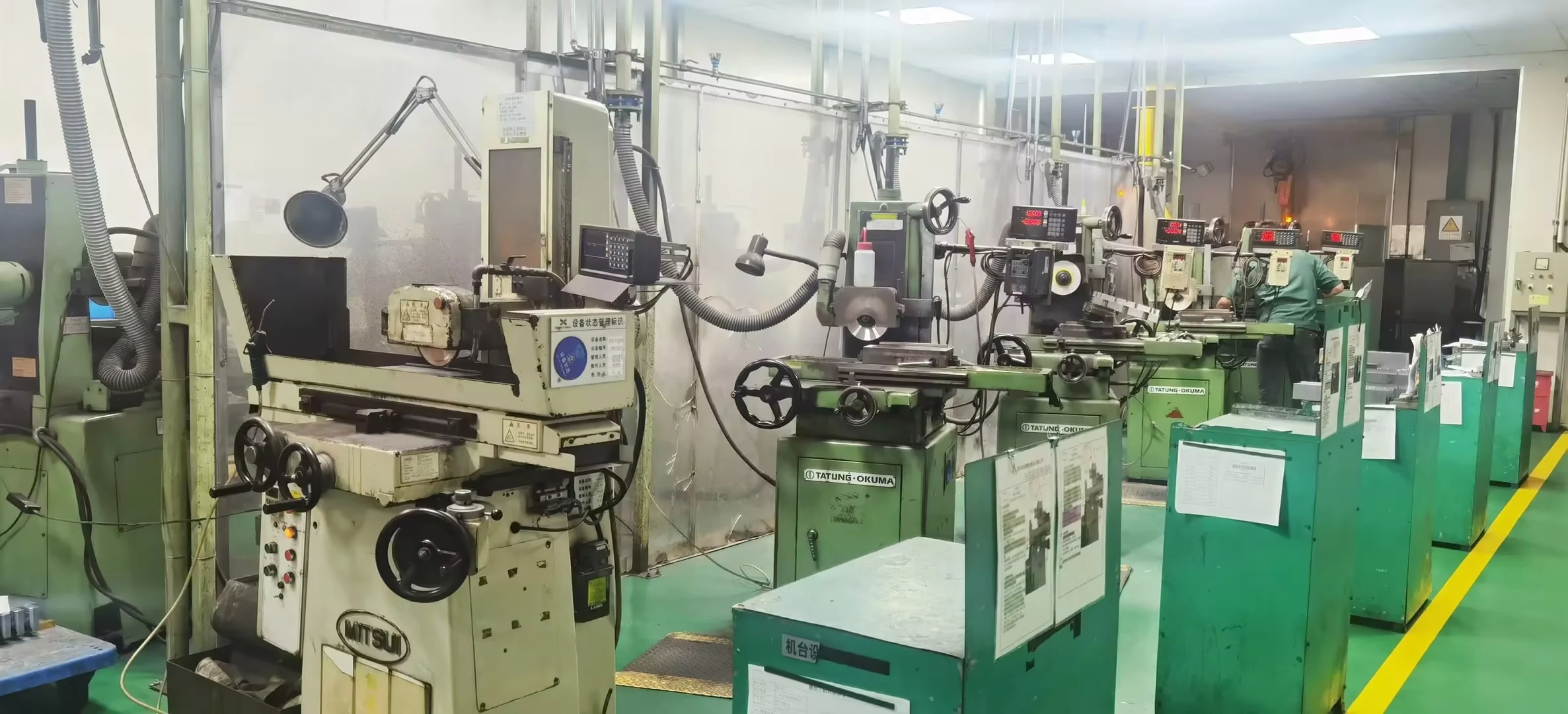
Initial quotation-planning basis: a 500-piece pilot or 1,000-piece repeat batch per part number, resin and colour, subject to project quotation.
Repeat orders
Indicative 10–15 working days after materials and the production slot are confirmed. Customer qualification, special processing and transit are additional.
Keep repeat orders on an approved baseline
Where these components can be used
Technical Specifications
| Process | Precision plastic injection molding |
|---|---|
| Typical Applications | Handles, housings, waterproof connector parts, panels and brackets |
| Material Support | Application-appropriate engineering thermoplastics |
| Project Scope | DFM, mold development, sampling and stable production |
| Quality Focus | Ergonomic fit, sealing interfaces, surface quality and assembly consistency |
Recommended Products
Explore our high-precision injection moulded components trusted by industry leaders worldwide.