English
 Español
 Português
 Русский
 العربية
 Français
 Deutsch
 中文
中文 日本語
日本語 한국어
한국어


Contact Lens Manufacturing & Packaging Components
Custom-molded trays, blister packaging parts, lens supports, process carriers and protective components for contact lens manufacturing and packaging workflows. JingZhan supports DFM, tooling, material selection, prototyping and stable production with attention to cavity consistency, surface quality and handling efficiency.
Product Overview
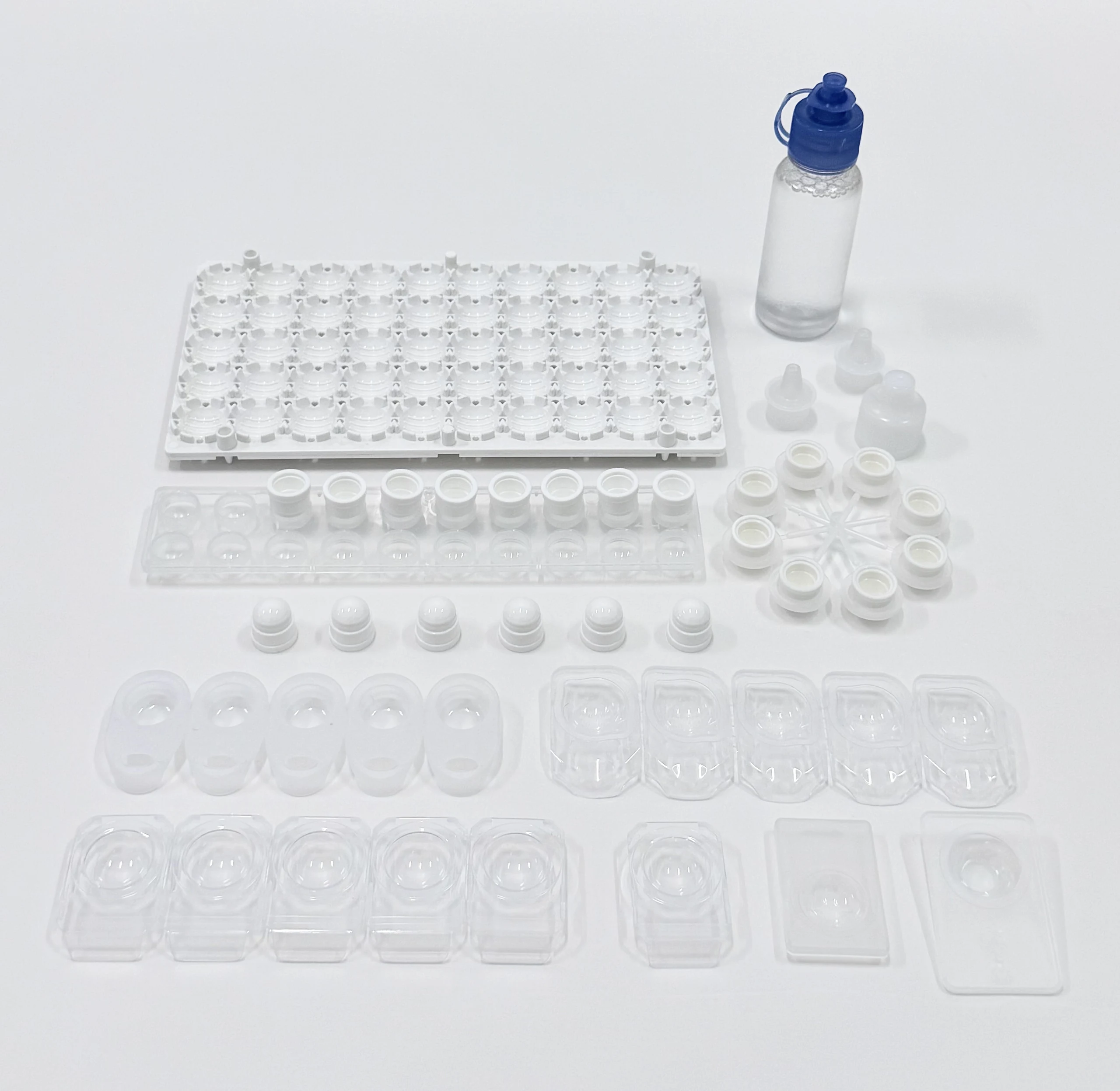
JingZhan supports custom moulded components across contact-lens forming, handling and packaging projects. The scope can include mould halves, bases, multi-pocket trays, process carriers and related parts. Working from the complete component set helps connect critical surfaces, equipment interfaces and repeat-order requirements before tooling is released. DESIGN AND MANUFACTURING Identify the part numbers, mating pieces and assembly sequence. Separate lens-forming, handling and packaging functions so that each component receives the appropriate drawing and acceptance criteria. Provide fixture, gripper, nesting and sealing interfaces where relevant. Review clearances and datum systems together with the customer's process rather than checking individual dimensions in isolation. Match the selected resin to process chemistry, temperature, surface requirements and the intended delivery condition. Confirm grade, colour and permitted changes before trial samples are approved. Agree functional surfaces, dimensions, appearance samples and any assembly tests. Use cavity identification and consistent checking fixtures where required to support repeatable multi-cavity production. TECHNICAL SPECIFICATIONS PRODUCTION AND REPEAT SUPPLY JingZhan's listed CNC/EDM toolroom, moulding presses and dimensional/vision inspection equipment provide process options for different component types. The quotation identifies the manufacturing route for each part. Filling, final packaging, surface treatment or sterilization must be separately defined if required; these operations are not assumed to be included. Approve each component's revision, resin, sample and packing arrangement before regular releases. Align quantities and identification for coordinated sets. Record relevant tool maintenance and review changes to inserts, resins or the manufacturing route before supplying affected parts. Tooling investment is quoted separately from the piece price. Share annual demand and release quantities so cavity count, procurement and batch cost can be reviewed together. RELATED APPLICATIONS Component development for customer-designed contact-lens forming and handling processes. Tray and carrier systems supporting transfer, inspection and process organization. Packaging-component sets coordinated with customer filling and lidding equipment. The supplied parts are manufacturing components, not finished lenses or validated sterile packages. The final process, assembled-system performance and regulatory requirements remain tied to the customer's defined application and qualification plan. Discuss your drawing and supply requirements. Send CAD, resin preference, critical features, annual demand and release quantity. Contact our engineering team →Coordinated plastic components for contact-lens manufacturing
Key processing requirements
Review the component set
Connect design to the production line
Specify materials by grade
Build an inspection baseline
Parameters agreed for your part
Parameter
Project specification
Component range
Mould halves, bases, trays, carriers and coordinated packaging parts.
Manufacturing basis
Custom 2D/3D drawings, mating-part data and a defined process scope.
Material selection
Customer-specified PP, PS, PC, COC/COP or another reviewed grade, as appropriate to each part.
Critical interfaces
Forming rims, locating features, tray arrays, handling datums and sealing areas.
Tolerance and acceptance
Feature-specific requirements, reference samples and agreed inspection methods.
Tooling plan
Cavity count, insert construction and maintenance access reviewed with demand.
Supply format
Individual components or coordinated sets, with agreed packing and identification.
Documentation
Drawing revision, material identification, lot information and scoped inspection records.
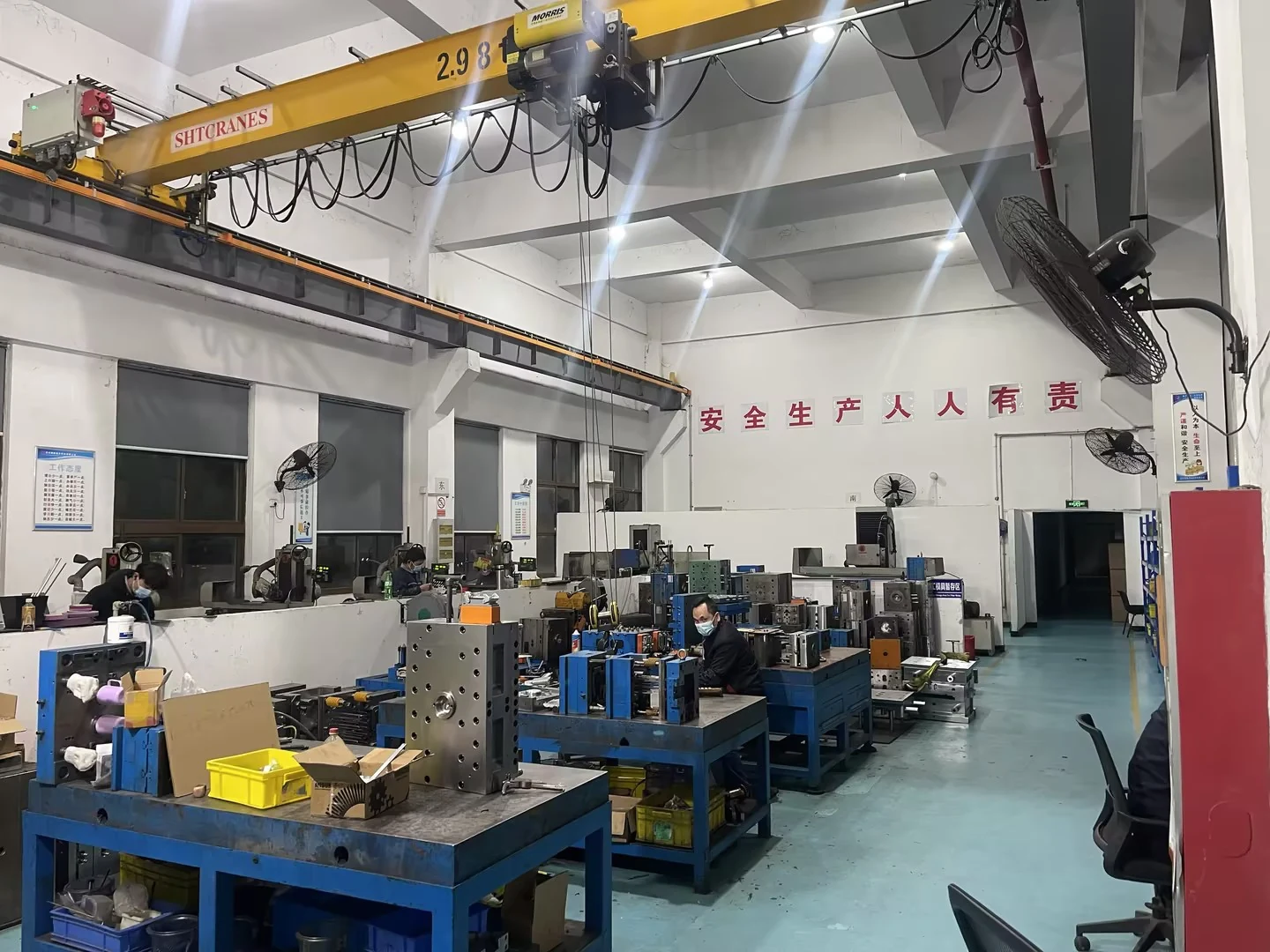
Equipment, lead time and order planning
Planning item
Basis for quotation
DFM review
Indicative 3–5 working days after complete drawings and requirements.
New tooling
Indicative 4–8 weeks to first mould trial after tool-design approval and commercial release; corrections and customer validation are additional.
Order quantities
Initial quotation-planning basis: a 500-piece pilot or 1,000-piece repeat batch per part number, resin and colour, subject to project quotation.
Repeat orders
Indicative 10–15 working days after materials and the production slot are confirmed. Customer qualification, special processing and transit are additional.
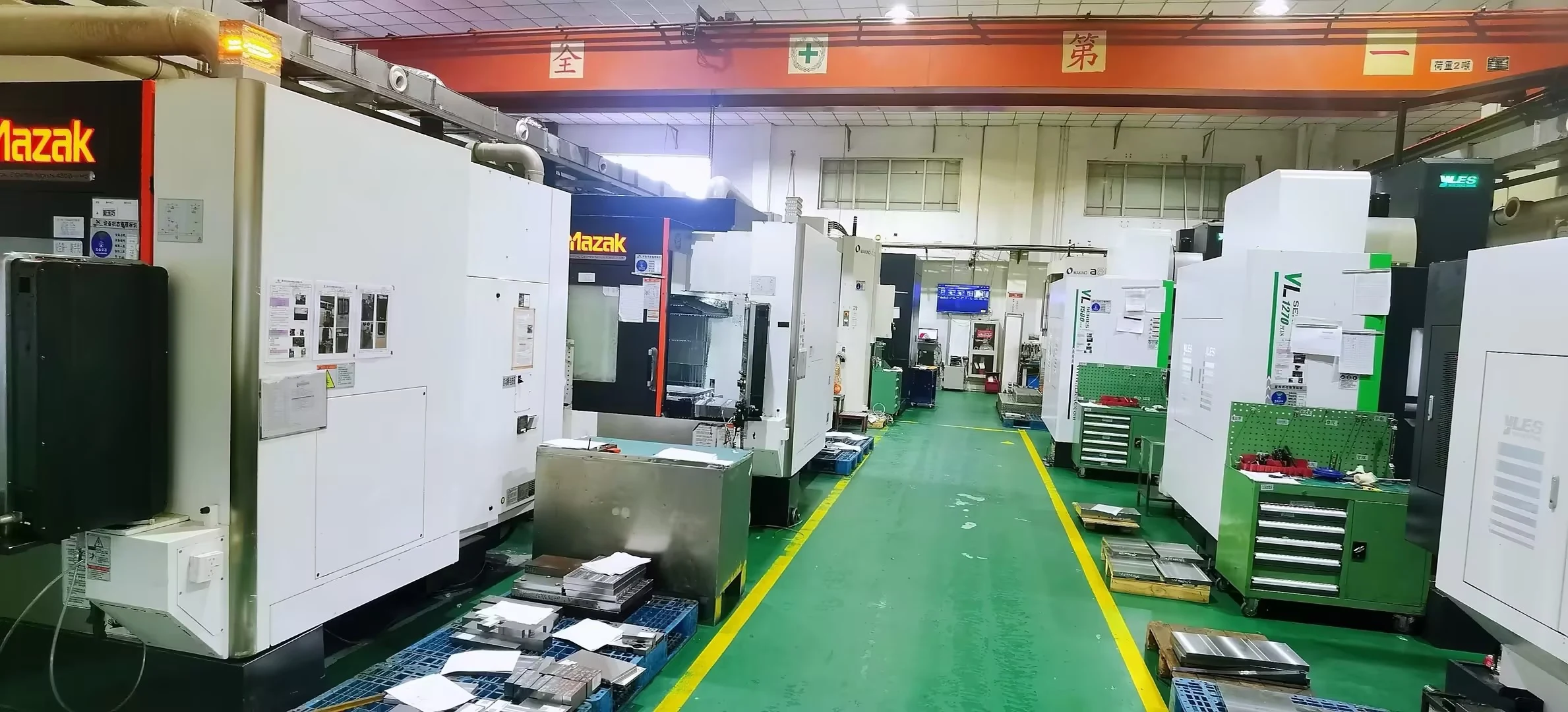
Keep repeat orders on an approved baseline
Where these components can be used
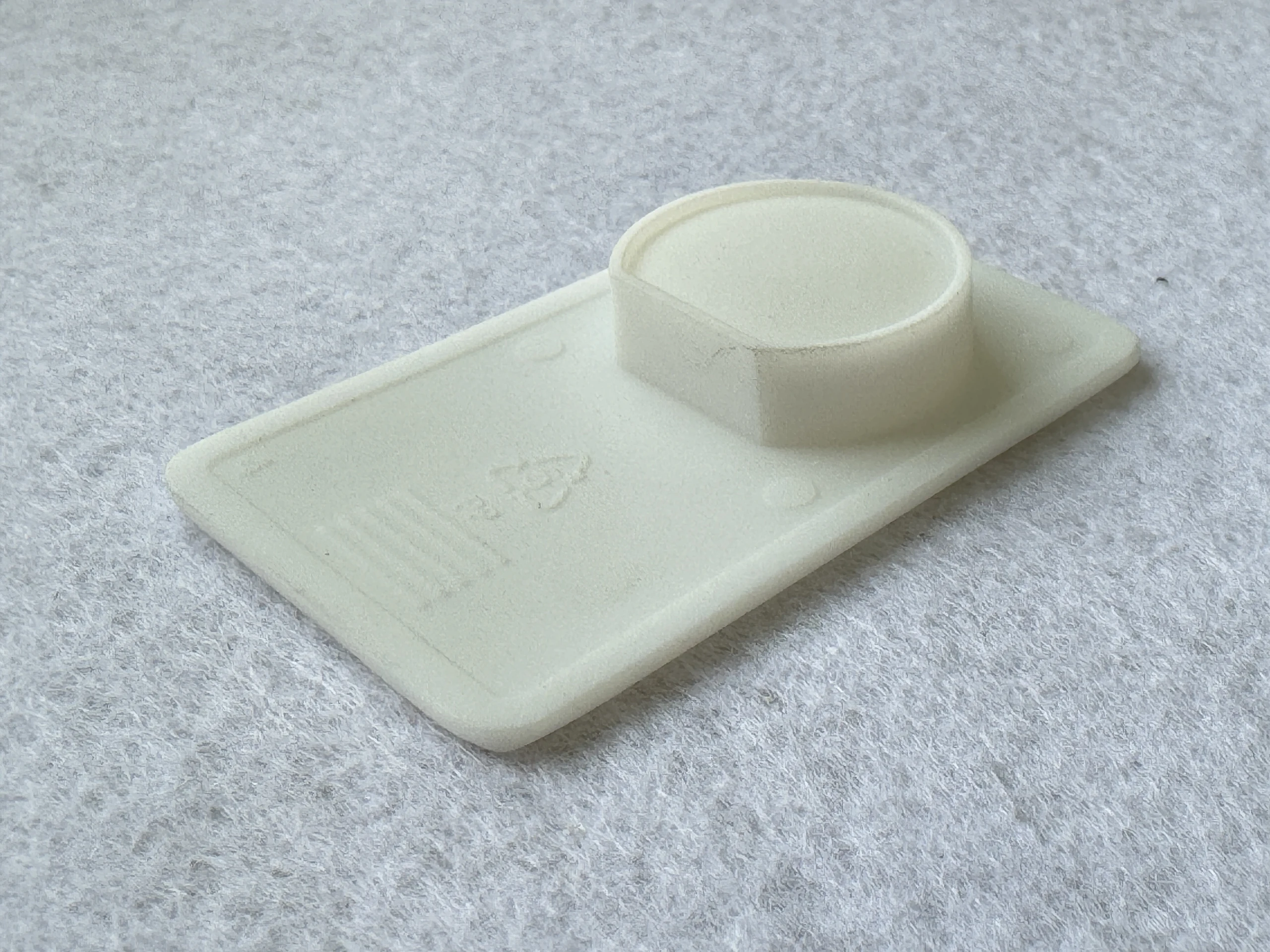
Technical Specifications
| Process | Precision plastic injection molding |
|---|---|
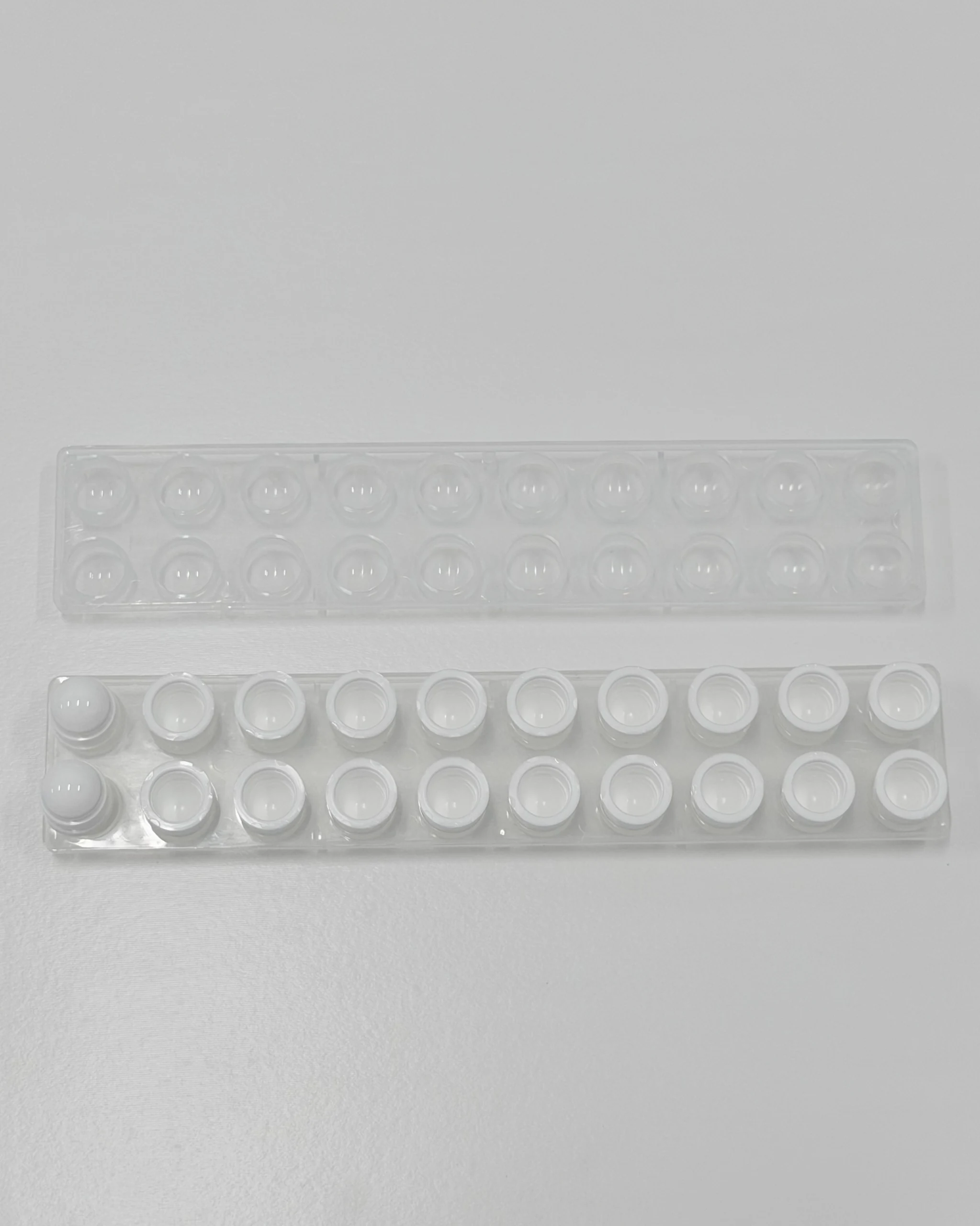
| Typical Applications | Lens trays, blister components, multi-cavity carriers and protective packaging parts |
| Material Support | Transparent and application-specific thermoplastics |
| Project Scope | DFM, mold development, sampling and volume production |
| Quality Focus | Cavity consistency, surface quality and handling performance |
Recommended Products
Explore our high-precision injection moulded components trusted by industry leaders worldwide.